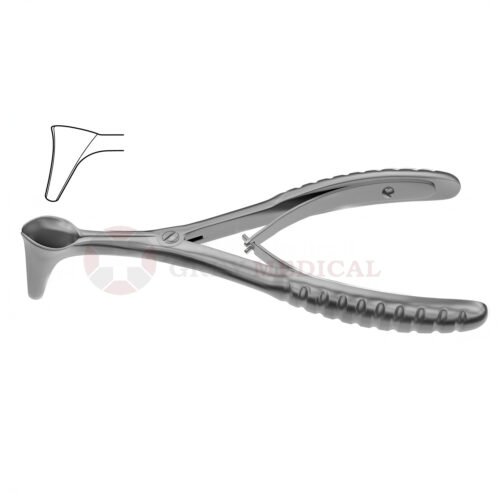
In the field of otolaryngology and general medical examination, clear visualization of the nasal passages is fundamental to accurate diagnosis and effective treatment. While it may seem like a simple device, the nasal speculum is one of the most crucial instruments for any procedure involving the nose. Its role in providing direct and unobstructed access to the nasal cavity cannot be overstated, making it an indispensable tool for healthcare professionals worldwide. This instrument allows for a thorough examination of the nasal septum, turbinates, and the overall health of the nasal mucosa.
The proper use of this tool ensures patient comfort and allows the practitioner to identify abnormalities, from simple inflammation to more complex structural issues. Understanding the different types of nasal speculums, their specific applications, and the importance of high-quality manufacturing is essential for any medical practice that prioritizes patient care and diagnostic accuracy. A well-crafted speculum not only improves the clinician’s ability to see but also enhances the overall patient experience during what can be an uncomfortable procedure.
Deconstructing the Nasal Speculum: Design and Functionality
A nasal speculum is designed with a straightforward purpose: to gently open the nostril, providing a clear view of the internal nasal structures. Most designs consist of two blades, or flanges, that are inserted into the nostril and a handle mechanism that allows the practitioner to control the degree of dilation. The blades are typically smooth and tapered to minimize patient discomfort upon insertion. The instrument works by separating the ala, the fleshy part of the nostril, from the nasal septum, creating a channel for light and inspection.
There are several variations of this fundamental design, each tailored for specific clinical situations. The choice of speculum often depends on the patient’s anatomy, the practitioner’s preference, and the nature of the examination or procedure. For instance, a pediatric patient requires a much smaller and more delicate speculum than an adult. The handle mechanism also varies; some speculums are self-retaining, freeing up the clinician’s hands, while others require manual control. This simple yet effective design has made the nasal speculum a staple in ENT clinics, emergency rooms, and general practitioner offices for centuries.
Exploring the Different Types of Nasal Speculums
The world of medical instruments is rich with specialized tools, and nasal speculums are no exception. Different models have been developed to suit various procedural needs and patient populations. Understanding the distinctions between these types is key to selecting the right tool for the job.
The Killian Nasal Speculum
Perhaps one of the most recognized designs is the Killian speculum. It is characterized by its long, slender blades and a handle that is oriented at an angle to the blades. This design is particularly useful because the handle does not obstruct the clinician’s line of sight into the nasal cavity. The Killian is often the preferred choice for more in-depth procedures like septoplasty or nasal polypectomy, where unobstructed visualization and room to maneuver other instruments are critical. They come in various blade lengths to accommodate different patient anatomies.
The Vienna Nasal Speculum
The Vienna model is a simpler, more lightweight speculum. It features short, wide blades and lacks the complex screw mechanism of other models. Instead, it is operated by simple hand pressure. Its ease of use and portability make it a popular choice for routine nasal examinations in a general practice or outpatient setting. While not ideal for complex surgeries, the Vienna speculum is perfect for quick diagnostic checks, such as identifying the source of epistaxis (nosebleeds) or examining for signs of rhinitis.
The Hartmann and Cottle Speculums
The Hartmann nasal speculum is another commonly used design, often featuring a set screw that allows it to become self-retaining. This frees the practitioner’s hands to use other instruments, such as forceps or suction tubes. The Cottle speculum is similar but often designed with grooved blades to provide a better grip and prevent slippage during a procedure. Both are valuable tools in both minor and major nasal surgeries, providing stable and reliable retraction of the nasal tissues. The choice between these often comes down to the surgeon’s personal preference and training. This variety ensures that for every specific nasal procedure, there is a set of nasal speculums designed to provide optimal performance.
The Critical Role of Quality in Surgical Instruments
When it comes to surgical instruments, the quality of materials and manufacturing is not just a matter of preference—it is a matter of patient safety and procedural success. A poorly made nasal speculum can have rough edges that cause patient discomfort or even tissue damage. Inferior metals may corrode or bend, compromising the instrument’s integrity and potentially leading to infection. For this reason, sourcing instruments from a reputable manufacturer is paramount.
GreyMedical®, a privately owned medical technology company, exemplifies the dedication to innovation and excellence required in the craft of surgical instruments. The company understands that the reliability of a tool like a nasal speculums directly impacts a clinician’s ability to provide the best care. By using high-grade stainless steel and adhering to stringent manufacturing processes, GreyMedical® ensures that each instrument meets the highest standards of durability, precision, and safety. This commitment to quality gives medical professionals the confidence they need to perform delicate procedures effectively.
The precision of the blade tips, the smoothness of the hinge mechanism, and the ergonomic design of the handle all contribute to the overall performance of the tool. A well-crafted instrument feels balanced in the hand and operates smoothly, allowing the clinician to make fine adjustments with ease. When dealing with the sensitive and highly vascular tissues of the nasal cavity, such precision is not a luxury; it is a necessity. High-quality nasal speculums are an investment in better patient outcomes.
Conclusion: A Clear View to Better Health
In summary, the humble nasal speculum is a cornerstone of otolaryngology and routine medical examinations. Its ability to provide a clear, illuminated view of the nasal passages is indispensable for accurate diagnosis and the successful execution of a wide range of procedures. From the versatile Killian to the straightforward Vienna, the variety of available nasal speculums ensures that practitioners have the right tool for any clinical scenario.
As medical science advances, the demand for high-quality, reliable instruments will continue to grow. The performance of these essential tools is directly linked to the skill and precision of their manufacturing. Companies like GreyMedical® are at the forefront, championing the excellence and innovation necessary to equip healthcare professionals with the instruments they need. By choosing meticulously crafted tools, clinicians can enhance their diagnostic capabilities, improve procedural efficiency, and most importantly, ensure the safety and comfort of their patients.