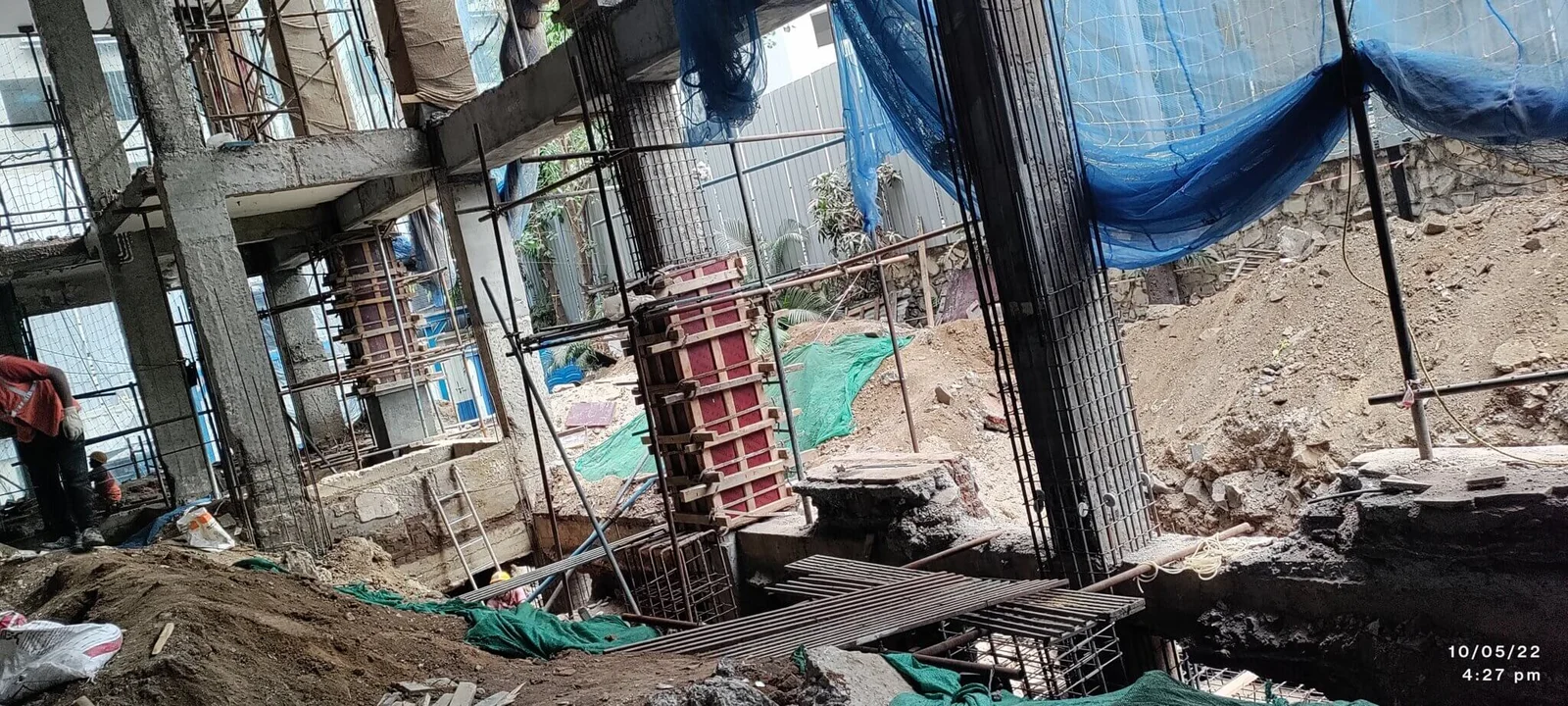
Micro concrete jacketing has become one of the most reliable methods for strengthening aging or damaged concrete structures. This process involves applying a thin layer of high-strength micro concrete around columns, beams, or slabs to improve load-bearing capacity and durability. It is widely preferred in urban construction projects where space is limited, and retrofitting existing structures is necessary without significant disruption. Proper application ensures long-term structural stability.
Understanding Micro Concrete Jacketing
Micro concrete jacketing involves enhancing structural elements by using a specialized micro concrete mix. Unlike traditional concrete, micro concrete is designed for high adhesion, reduced shrinkage, and improved workability. This makes it ideal for reinforcing columns, beams, and slabs that have experienced wear or require load capacity enhancement. Engineers often choose this method to extend the life of structures while maintaining architectural integrity and ensuring compliance with modern building standards.
Benefits of Micro Concrete Jacketing
One of the major benefits of micro concrete jacketing is its ability to restore structural strength without major demolition. It increases load-bearing capacity, resists environmental degradation, and improves the overall stability of buildings. This technique also offers quick application and reduces downtime in construction projects. Micro concrete jacketing is particularly advantageous in earthquake-prone regions, as it strengthens structural components against lateral forces while maintaining flexibility and durability.
Applications in Building Retrofitting
Micro concrete jacketing is widely used in the retrofitting of commercial and residential buildings. Aging structures often face issues such as cracks, corrosion of reinforcement, and reduced load-bearing capacity. Micro concrete jacketing provides a practical solution for restoring these elements without replacing them entirely. It is also commonly applied in industrial structures, bridges, and parking garages where structural integrity is critical. This method ensures cost-effectiveness while meeting modern safety standards.
Process of Micro Concrete Jacketing
The micro concrete jacketing process involves surface preparation, reinforcement installation, and application of the micro concrete mix. First, the existing concrete surface is cleaned and roughened for better adhesion. Steel reinforcements may be added to increase strength. Then, micro concrete is applied in layers to achieve the required thickness. Curing is essential to prevent shrinkage cracks and to enhance bonding. Proper execution ensures enhanced durability and load capacity for years.
Choosing the Right Micro Concrete Mix
Selecting the right micro concrete mix is crucial for effective jacketing. The mix should have high compressive strength, low shrinkage, and excellent bonding properties. Additives like fibers or polymers can improve durability and reduce cracking. Engineers often customize the mix based on environmental conditions and structural requirements. Using high-quality micro concrete ensures the longevity of the jacketing process, providing a cost-effective solution for long-term structural reinforcement.
Cost-Effectiveness of Micro Concrete Jacketing
Compared to traditional methods of structural strengthening, micro concrete jacketing is highly cost-effective. It avoids complete demolition and reconstruction, reducing labor, material, and time costs. Additionally, the technique requires minimal equipment and can be applied in confined spaces. The long-term benefits, such as extended service life and enhanced safety, make it an attractive option for building owners and developers. Investing in micro concrete jacketing is a strategic approach for maintaining structural health.
Maintenance and Longevity
Structures strengthened with micro concrete jacketing require minimal maintenance. Proper curing and periodic inspections ensure the jacketing retains its effectiveness over time. The material is resistant to environmental factors like moisture, chemicals, and temperature fluctuations, which commonly damage concrete. Regular monitoring of reinforced areas allows early detection of potential issues. With proper application and maintenance, micro concrete jacketing can significantly extend the lifespan of a structure while ensuring consistent performance
Sustainability and Environmental Benefits
Micro concrete jacketing also contributes to sustainable construction practices. By reinforcing existing structures instead of demolishing and rebuilding them, it reduces construction waste and the carbon footprint associated with new concrete production. Using durable micro concrete minimizes future repair needs, saving resources and energy. This eco-friendly approach aligns with modern construction standards and makes micro concrete jacketing an environmentally responsible choice for both commercial and residential projects..
Why Professionals Recommend Micro Concrete Jacketing
Construction professionals recommend micro concrete jacketing for its efficiency, versatility, and reliability. It is suitable for retrofitting both small and large structures and is adaptable to different environmental conditions. Engineers prefer this method because it strengthens structural components without compromising design aesthetics. The technique also aligns with sustainable construction practices by reducing waste and the need for new materials. Overall, micro concrete jacketing is a trusted solution in modern construction and rehabilitation projects.
Key Considerations Before Application
Before applying micro concrete jacketing, proper assessment of the existing structure is crucial. Engineers evaluate load requirements, material conditions, and environmental factors to design the optimal jacketing solution. Surface preparation, reinforcement placement, and curing time are critical to success. Choosing skilled contractors ensures precise execution. Considering these factors guarantees that the micro concrete jacketing process delivers enhanced structural performance, safety, and longevity for the building or infrastructure.
Micro concrete jacketing is a practical, cost-effective, and durable method for strengthening structural elements. Its high adhesion, load-bearing enhancement, and minimal disruption make it a preferred choice in modern construction and retrofitting projects. By carefully selecting materials, following proper procedures, and maintaining reinforced structures, micro concrete jacketing can extend the life of buildings, bridges, and other infrastructures while ensuring safety and compliance with current standards.