A Real Homeowner Scenario I Still Remember
A few years ago, I walked into an attic that looked like time had frozen sometime around 1988. Holiday lights from who-knows-when, old photo albums, a rocking horse, boxes that sagged like wet cardboard the whole attic felt like it had its own history.
Funny enough, the homeowner told me, “We only have a few things up there.”
That’s something I hear all the time.
But once you climb that ladder and flick on the light, the truth hits: attics turn into storage black holes. That’s exactly where a well-planned Attic Cleanout becomes necessary, not optional.
And after doing this for years from tight crawl-space attics to giant finished ones I’ve noticed patterns most homeowners never consider until they’re knee-deep in dusty boxes.
Let’s break this down like a real pro would.
What People Usually Misunderstand About Attic Cleanouts
Most folks think an attic cleanup service is just “moving things out.”
Not even close.
You’re dealing with:
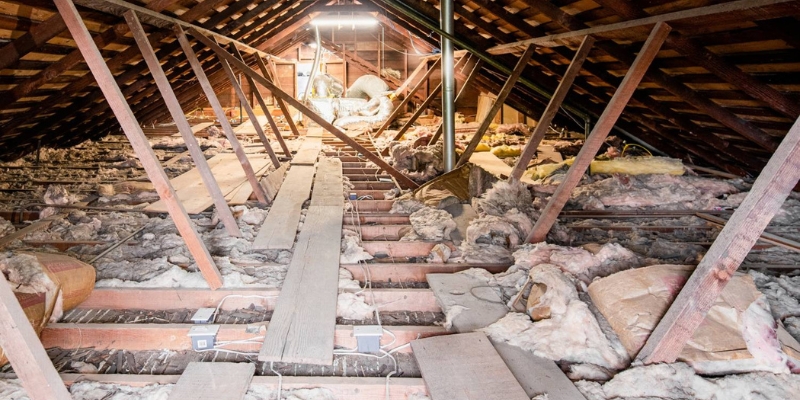
- Hidden structural hazards
- Low-hanging beams
- Loose insulation
- Old wiring
- Rodent contamination
- Boxes that have absorbed moisture
- Weight distribution issues on attic joists
The reality is, you can’t just grab things and walk out. I’ve seen attics where one wrong step could send someone right through the drywall ceiling. Not fun for anyone.
Another misconception?
People assume attic junk removal is easy because the items “aren’t that heavy.” But weight is only half the challenge. The awkward shapes, limited mobility, steep ladders, and heat make it a different beast altogether.
How a Professional Actually Approaches an Attic Cleanout
Let me walk you through the workflow most pros won’t bother explaining unless you ask directly. This is where experience matters.
1. Pre-Inspection & Safety Assessment
Before touching anything, a walkthrough is non-negotiable.
I look for:
- Signs of rodents (droppings, nests, chew marks)
- Compromised insulation
- Exposed nails
- Weak floor sections
- Temperature hazards (attics hit 120°F+ easily)
- Obstructions around the entry point
According to OSHA guidelines, confined spaces with heat risk require controlled entry, hydration, and clear exit pathways. Even though an attic isn’t always classified the same way, I treat it with similar caution.
2. Route Planning
Funny enough, this is the part homeowners never think about.
You can’t drag everything to the ladder and hope for the best.
You need a safe path literally mapping a walkway from the farthest corner to the exit. Sometimes we lay temporary boards just for stability.
3. Sorting Items Into Categories
While working, I create four simple piles:
- Keep
- Donate
- Recycle
- Dispose
This keeps decisions quick and prevents chaos downstairs.
One time, a homeowner changed her mind every 30 seconds. Sorting saved the job.
4. Efficient Load-Out Technique
You never overload the path to the attic door.
You move items in batches, maintaining airflow and visibility.
Pro tip:
Bulky items come down first; fragile things come last.
That’s how you keep the workflow smooth.
5. Attic Waste Removal & Proper Disposal
EPA waste rules are pretty clear: items like paint, chemicals, old electronics, and certain treated wood need special disposal routes. I’ve pulled out things people forgot were even legally restricted.
A good attic cleanout solutions provider knows which:
- items can go to landfill
- items must go to a recycling center
- items require hazardous-waste facilities
- donation centers accept (and reject)
This saves a lot of headache later.
Read More: What are the Mathod for organic Cleanout
Safety Considerations That Matter More Than People Realize
Temperature
Attics become ovens.
OSHA heat-stress guidelines say that more than 103°F is considered “high risk.”
Most attics cross that quickly in the summer.
Air Quality
Dust, insulation fibers, mold spores you inhale enough of that, and you’ll understand why pros wear respirators, not simple masks.
Structural Integrity
I’ve seen homeowners step between joists and fall partway through.
If the structure seems questionable, we use:
- crawl boards
- temporary planking
- stabilizing supports
Electrical Hazards
Loose wires, ancient junction boxes, and makeshift DIY fixes are extremely common.
Anything suspicious gets avoided until the power source is identified.
Mistakes Homeowners Often Make
Here’s a list I wish more people knew before climbing into the attic:
- Overloading cardboard boxes until the bottoms collapse
- Storing items directly on insulation
- Walking where there’s no flooring
- Ignoring rodent droppings
- Not wearing gloves, eye protection, or a respirator
- Letting children or pets near the workspace
- Removing items too quickly down the ladder
- Not having a disposal plan
- Forgetting attic weight limits
Most injuries happen when people rush or underestimate the risks.
Attic declutter service teams are trained to avoid all of this.
What an Experienced Professional Does Differently
Experience changes everything from pacing to planning.
A pro will:
- Keep the attic door open only when safe
- Use two-person teams for bulky items
- Identify hidden damage without disturbing it
- Recognize old insulation types (like vermiculite) that might require special handling
- Understand the load-bearing limits of attic joists
- Move items using a predictable pattern instead of random trips
- Keep the home clean during the process
One thing I’ve noticed:
Homeowners often get emotional during an attic cleanout. Old items bring memories. An expert knows how to balance efficiency with patience.
Cost-Saving Tips I Give to Homeowners
You can make your attic junk removal smoother and cheaper with a few smart moves:
- Pre-label boxes you want to keep
- Move light items closer to the attic door ahead of time
- Photograph items you’re unsure about so decisions are quicker
- Clear the hallway below the attic ladder
- Let professionals handle heavy or hazardous items
- Avoid scheduling cleanouts during extreme summer heat
A little prep goes a long way in cutting down hours worked.
How to Prepare Your Home for an Attic Cleanup Service
If you’re planning to bring in an attic cleanout solutions team, here’s what I usually suggest:
1. Clear the path
Hallways, stairways, the landing keep it open.
2. Protect furniture below
A simple sheet or tarp helps a lot.
3. Decide ahead what items matter
Keeps the job from turning into a debate session.
4. Keep pets away
Trust me you don’t want a curious pet under a ladder.
5. Know what your waste options are
Not everything can go in the regular trash.
Conclusion
A solid attic cleanout isn’t just about removing junk, it’s about doing it safely, efficiently, and with respect for both the structure and the belongings inside. Whether it’s an attic cleanup service, attic junk removal, or a full attic waste removal plan, the process works best when handled with careful planning and clear decisions.
From temperature hazards to structural concerns, attics have their quirks. A professional understands how to move through that tight, dusty space without causing damage or putting anyone at risk. And if you prepare a little ahead of time clearing paths, identifying must-keep items, and understanding disposal rules you can make the whole project smoother and more affordable.
FAQ
1. How long does an attic cleanout usually take?
Most take 26 hours depending on access, amount of clutter, and temperature conditions.
2. Do professionals handle rodent-contaminated items?
Yes, but with proper PPE and disposal techniques following local sanitation rules.
3. Can I stay home during the cleanout?
Absolutely. Just keep the workspace clear and let the team work safely.
4. What if the attic has no flooring?
Pros use crawl boards to create safe temporary walkways.
5. Do I need to sort everything before they arrive?
No sorting happens during the process. But deciding what matters ahead of time helps.