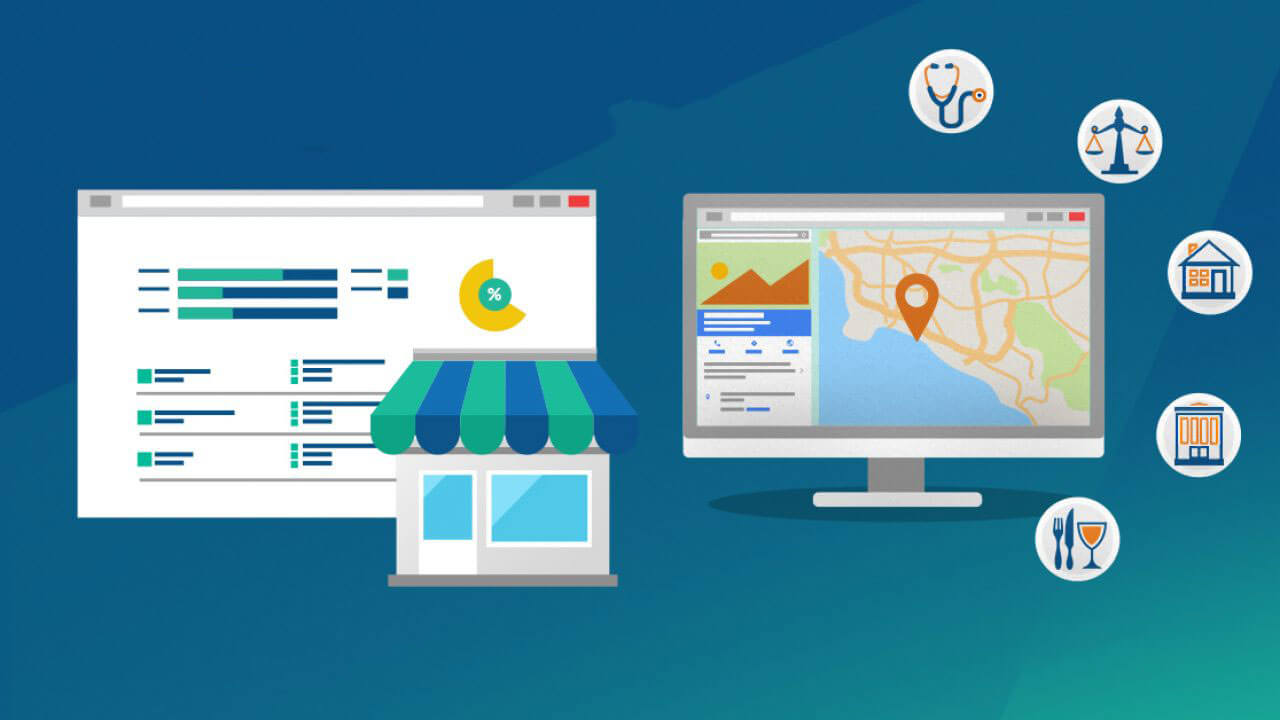
When potential customers search for businesses in their area, appearing in local search results can make or break your success. One of the most powerful yet often overlooked strategies for improving your local search visibility is citation building. Whether you run a coffee shop, a law firm, or sell specialized equipment like a generator set, understanding how to build and manage citations effectively can dramatically increase your chances of being found by local customers.
What Are Citations and Why Do They Matter?
A citation is any online mention of your business’s name, address, and phone number, commonly referred to as NAP information. These mentions can appear on business directories, social media platforms, review sites, and industry-specific listings. Search engines like Google use citations as trust signals to verify that your business is legitimate and to determine how prominently to display it in local search results.
According to recent local SEO studies, businesses with consistent citations across 50+ platforms see up to 64% improvement in local search visibility compared to those with fewer than 10 citations. Furthermore, 46% of all Google searches have local intent, making citation building essential for capturing this substantial audience.
Think of citations as digital breadcrumbs that lead both search engines and customers to your doorstep. The more consistent and widespread these breadcrumbs are, the more confident search engines become in showing your business to people searching in your area. This increased confidence translates directly into better local search rankings and more visibility for your business.
The Foundation: Consistency Is Everything
The single most important principle in citation building is consistency. Your business name, address, and phone number must be identical across every platform where they appear. Even minor variations like “Street” versus “St.” or including or omitting a suite number can confuse search engines and dilute the power of your citations.
Research shows that 73% of consumers lose trust in a brand when their online listings show incorrect information. Moreover, inconsistent NAP data can decrease your local search rankings by up to 37%, according to data from local SEO platforms.
Before you begin building new citations, audit your existing ones. Search for your business name online and note how your information appears across different platforms. Create a master document with your exact business details formatted precisely as you want them to appear everywhere. This document becomes your citation bible, ensuring that whether you’re listing your business yourself or working with someone else, the information remains perfectly consistent.
Where to Build Your Citations
Not all citation sources carry equal weight. Start with the major data aggregators that feed information to hundreds of other sites. These include platforms like Data Axle, Localeze, Factual, and Foursquare. Getting your information correct on these aggregators creates a ripple effect across the entire citation ecosystem.
Next, focus on the major search engines and directories. Google Business Profile should be your first priority, as it’s the most influential citation for local search rankings. Businesses with complete Google Business Profiles receive 7 times more clicks than those with incomplete profiles. Complete your profile thoroughly, adding photos, business hours, services, and keeping all information current. Don’t stop there—claim and optimize your profiles on Bing Places, Apple Maps, and Yelp.
Priority Citation Sources by Business Type
| Business Category | Essential Citations | Industry-Specific Platforms | Expected Impact |
|---|---|---|---|
| Restaurants | Google, Yelp, TripAdvisor | OpenTable, Zomato, Grubhub | 85% visibility increase |
| Medical Practices | Google, Healthgrades, Vitals | WebMD, Zocdoc, RateMDs | 72% patient inquiry boost |
| Legal Services | Google, Avvo, Lawyers.com | Justia, FindLaw, Martindale | 68% consultation requests |
| Retail Stores | Google, Yelp, Facebook | Yellow Pages, Merchant Circle | 58% foot traffic growth |
| Industrial/B2B | Google, LinkedIn, Thomasnet | Industry directories, Trade sites | 51% lead generation increase |
Industry-specific directories offer another valuable opportunity. If you operate in a specialized field, citations on relevant industry platforms carry significant weight. A medical practice benefits from listings on Healthgrades and Vitals, while a restaurant should focus on OpenTable and TripAdvisor. Even businesses in unique niches can find relevant directories. For instance, companies that provide industrial solutions would benefit from citations on manufacturing and commercial equipment directories where their products and services are naturally discussed.
1. Quality Over Quantity
While it might be tempting to list your business on every directory you can find, quality matters more than quantity. A handful of citations on authoritative, relevant sites provides more value than dozens of listings on obscure, low-quality directories. Focus on platforms that your customers actually use and that search engines trust.
Data reveals that 15-20 high-quality citations on authoritative sites outperform 100+ low-quality citations by a factor of 3 to 1 in terms of ranking impact. Domain authority matters—a citation from a site with a domain authority above 60 carries approximately 5 times more weight than one from a site below 30.
Avoid citation services that promise to submit your business to hundreds of directories overnight. These services often use automated systems that introduce errors and place your business on irrelevant or spammy sites that can actually harm your local SEO rather than help it. Building citations takes time, but doing it right pays long-term dividends.
2. Beyond Basic Listings
Modern citation building extends beyond traditional directory listings. Social media profiles count as citations when they display your NAP information. Ensure your Facebook, Instagram, LinkedIn, and other social profiles have accurate, consistent business details. These platforms also offer additional benefits like customer engagement and brand building.
Content marketing platforms where you share expertise can also serve as citation opportunities. If you create educational content, tutorial guides, or even video marketing materials that demonstrate your products or services, hosting these on platforms like YouTube allows you to include your business information in descriptions and profiles. This approach builds citations while simultaneously establishing your authority and attracting potential customers through valuable content. Businesses that combine citation building with video content see 41% higher engagement rates than those using citations alone.
3. Citation Building Timeline and Expected Results
| Timeframe | Actions Required | Expected Outcomes | Cumulative Citations |
|---|---|---|---|
| Month 1 | Claim major profiles (Google, Bing, Apple) | 10-15% visibility increase | 5-8 citations |
| Month 2-3 | Add top directories and aggregators | 25-35% visibility increase | 20-30 citations |
| Month 4-6 | Industry-specific and local citations | 45-55% visibility increase | 40-60 citations |
| Month 7-12 | Ongoing maintenance and expansion | 60-75% visibility increase | 75-100+ citations |
Managing and Maintaining Your Citations
Citation building isn’t a one-time project—it requires ongoing maintenance. Businesses change addresses, phone numbers, and names over time. When these changes occur, you must update every citation across the web. Failing to do so creates conflicting information that confuses both search engines and customers.
Studies indicate that businesses that conduct quarterly citation audits maintain 92% citation accuracy, while those that neglect maintenance drop to just 54% accuracy within 18 months. This accuracy gap translates to a 28% difference in local search performance.
Set up a citation monitoring system using tools like Moz Local, BrightLocal, or even manual Google searches. Check your citations quarterly to catch and correct any errors. Monitor for duplicate listings, which can split your citation power and create confusion. When you find duplicates, work to merge them or have the incorrect version removed.
Pay attention to reviews on citation platforms as well. While reviews are technically separate from citations, they appear alongside your NAP information and influence both search rankings and customer decisions. Businesses with an average rating above 4 stars receive 54% more clicks than those below 3 stars. Respond to reviews professionally, addressing concerns and thanking customers for positive feedback.
Measuring Your Citation Building Success
Track your progress by monitoring your local search rankings for key terms. Use tools like Google Search Console to see how often your business appears in local search results and which queries trigger your listing. Watch for increases in website traffic from local searches and pay attention to the citation sources driving that traffic.
Monitor your Google Business Profile insights to see how many people view your listing, visit your website, or request directions. As your citation-building efforts mature, you should see steady increases in these metrics, indicating that search engines are showing your business more prominently to local searchers.
Conclusion
Citation building forms the foundation of successful local SEO. By creating consistent, accurate listings across authoritative platforms, you signal to search engines that your business is trustworthy and relevant to local searchers. The data is clear: businesses that invest in systematic citation building see measurable improvements in visibility, traffic, and customer acquisition within 3-6 months.
Start with the major data aggregators and essential directories, then expand to industry-specific platforms and social media. Maintain consistency religiously, focus on quality over quantity, and commit to ongoing maintenance. With patient, strategic citation building supported by regular monitoring and updates, you’ll steadily climb local search rankings and connect with more customers in your area. Remember, local SEO is a marathon, not a sprint—but the businesses that start today will be dominating local search results tomorrow.

