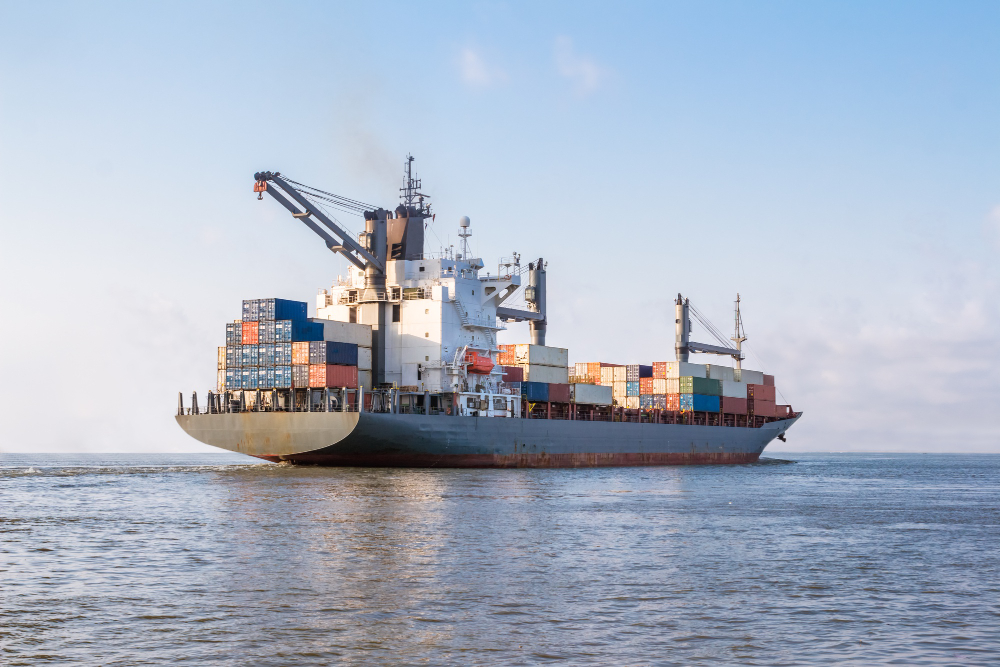
The Philippines is an archipelago made up of over 7,000 islands, making sea transport extremely important. International shipping in the Philippines plays a significant role in the nation’s economic growth and connection to global trade. The sea moves more than 90% of the country’s total trade volume, showing its major role in commerce. This constant flow of goods makes the port and logistics network a big, important part of business success.
What is the Current State of Philippine Shipping?
The country has a large number of ports, including 23 major ports and over 100 minor ports spread across the islands. However, the physical quality of these facilities is often behind that of other nations in Southeast Asia. For instance, the Philippines ranks low among APEC economies in trade indicators like the Logistics Performance Index. This means that moving goods in and out of the country can be slower and more complicated than it should be.
The connectivity to major worldwide shipping routes also needs significant work. This lack of world-class infrastructure causes real problems for businesses that depend on fast and highly reliable global trade. A big challenge is that the logistics network inside the country is not fully developed, which slows down the movement of products. Shipments often face delays because of slow cargo handling and frequent breakdowns or accidents.
The national government has recognized this problem and is pushing for improvements through programs. The current “Build Build Build” program, for example, is funding better infrastructure across the country. This includes money for important sea ports, new roads, and stronger bridges. These projects show a clear commitment to improving the physical connections needed for trade.
Why Must the Infrastructure Improve?
The main reason for improvement relates directly to the high cost of doing business in the country. The expense of shipping and port handling can make up around 5% of a product’s final retail price. In fact, the total cost of moving goods within the Philippines is often higher than in nearby archipelagic countries. These overly high costs make it much harder for Filipino products to compete effectively in the worldwide market.
Poor infrastructure also leads to unpredictability and long delays for goods moving through the supply chain. Businesses want to move their products quickly and without too many unexpected complications. Better transportation and faster internet services will help farmers and producers get their goods to market without wasting time. A highly improved port system will definitely reduce transport costs and bring more trade volume to the country.
A stronger logistics system will also successfully attract more foreign direct investments to boost local firms. Additionally, the country must keep up with two major global changes in the maritime industry. The first is digitalization, which uses technology for tracking and data exchange to speed up processes. The second is the global movement towards cleaner, low-emission vessels, known as decarbonization. The Philippines must adapt to these new trends quickly to stay active in the international shipping world.
How Can the Philippines Enhance its Shipping Infrastructure?
Modernizing Ports and Adopting New Technology
The national government must increase its investments in modernizing key port facilities. This means updating ports with advanced technology and installing better logistics systems for handling cargo. Future projects should focus on building resilient facilities that can withstand the yearly tropical weather conditions. Adopting new digital technologies is also important for improving efficiency and increasing transparency across port operations.
Technologies like digital twin platforms and smarter gate systems will greatly reduce the truck drivers’ waiting times. The current Maritime Industry Development Plan (MIDP) aims to support these new digital shipping solutions and smart port initiatives. This focused investment in technology and physical upgrades will help ports handle increasing trade volumes without getting overwhelmed. Public-private partnerships can also provide a great way to execute these large infrastructure projects.
Streamlining Customs and Regulatory Procedures
The border administration process needs faster and more efficient customs services to process goods. Government agencies must work together to simplify the complicated procedures for both exporting and importing products. The current process for registering ships in the Philippines is now very complicated and overly bureaucratic. Ship owners report that dealing with many different government agencies adds unnecessary cost and wastes a lot of time.
Implementing the ease-of-doing-business law will help cut the amount of confusing red tape. Shifting all ship registration processes to online platforms will also make the entire process much simpler and faster. The goal is to create a predictable and transparent business environment that encourages more trade. This change in administration and regulation is as important as the physical port upgrades.
Boosting Maritime Connectivity and Local Capacity
The country must continuously work to get better integrated into the overall worldwide shipping network. A higher Liner Shipping Connectivity Index score shows stronger integration and helps facilitate smooth trade flow. Encouraging cooperation with regional neighbors on new infrastructure projects will help connect the Philippines to nearby trade routes. Strengthening maritime links not only helps boost trade volumes but also improves local production and output.
Key Takeaway
Improving the Philippines’ shipping infrastructure is a major national goal that needs focused effort and sustained government and private investment. The government’s actions include modernizing ports, simplifying regulations, and adopting new technologies to raise standards. International shipping in the Philippines will become more competitive as the country addresses its burdens of high costs and low connectivity scores. This collective effort is a serious long-term project that will ultimately boost the nation’s economy. It will also solidify the country’s position in the global supply chain. This thorough approach makes the country a stronger and more reliable player in the world market.