Hybrid teams often work across locations, time zones, and flexible schedules, which makes coordination difficult without a structured view of work. Daily priorities shift quickly, and messages spread across tools. Managers want clarity about progress. Employees want clear expectations and fair workloads. A shared system helps both groups work with more confidence.
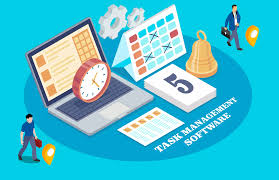
This is where employee task-tracking software becomes useful: it gives everyone visibility into tasks, timelines, outputs, and everyday decisions in one place, without constant follow-ups.
Why do hybrid teams need structured task tracking?
Hybrid work offers flexibility but also creates complexity. People split time between home and office and often support multiple projects. Without structure, priorities clash and communication feels scattered. A tracking system turns scattered updates into a single, reliable view of work. It supports both focus and flexibility because people understand what matters most each day, regardless of where they work.
Benefits of Using Employee Task Tracking Software in Hybrid Teams
The following are the benefits to consider while using employee task tracking software in hybrid teams:
1. Clear visibility across hybrid teams
Hybrid work often makes visibility difficult for both managers and employees. People log in at different times and use different tools. Without a central view, tasks slip through the cracks. A tracking tool consolidates all work into a single shared dashboard. Everyone can see current tasks, owners, and deadlines. Managers review progress without sending constant status messages. Team members stay better aligned because they understand how their work connects to the larger plan. This shared visibility also reduces stress during busy periods.
2. Stronger task ownership and accountability
Hybrid teams work best when everyone knows what they own. Clear assignments reduce confusion and last-minute surprises. When tasks appear under individual names, people immediately understand expectations. They can plan their day with more confidence. Managers spot gaps quickly and reassign work before issues grow. Accountability feels fair because the system records effort and timelines for everyone, not just the most visible or vocal team members. This fairness supports long-term engagement and retention.
3. Productivity gains from real-time insights
When teams access real-time data, they make smarter decisions about their time. Tools like workflow engine software highlight patterns in working hours, idle time, and task completion speed. Managers can see where projects slow down and step in to provide support. Employees adjust their routines based on actual data instead of guesswork. Over time, these small adjustments add up and help the hybrid team complete more work with less friction each week.
4. Smoother collaboration across locations
Hybrid teams depend on strong collaboration across cities and time zones. When updates appear in one system, people do not waste time hunting through chats and emails. Files, comments, and task notes remain linked. Colleagues can pick up a task even if someone else logs off. This improves handoffs between shifts and locations. It also reduces misunderstandings because everyone sees the same information instead of fragmented updates. Over time, this consistency builds a stronger sense of teamwork.
5. Better planning and resource allocation
Leaders need accurate information to plan future work. When they understand current workloads, they avoid overloading certain people while others remain underused. A good tracking system shows active tasks, upcoming deadlines, and capacity gaps. Managers then assign new work more carefully. Insights from workflow engine software also help identify repetitive tasks that can be automated. This frees employees to focus on higher-value activities that need human judgment and collaboration. Planning meetings becomes shorter because everyone trusts the underlying data.
6. Fair and transparent performance measurement
Measuring performance in hybrid teams can feel difficult without shared data. Some employees worry that their effort goes unnoticed. Task tracking tools provide a clearer picture. Managers see completed work, timeliness, and patterns over weeks and months. Employees review their own numbers and identify areas for improvement. When performance discussions rely on data, they feel more constructive. People understand how decisions are made, which helps build trust across the team. This trust supports honest feedback and continuous improvement.
7. Reduced delays and smoother delivery cycles
Hybrid teams juggle different schedules, so delays can appear without warning. A tracking system highlights overdue tasks and upcoming deadlines in one place. Managers can act early when they see risk areas. They reassign work, adjust timelines, or remove blockers before problems grow. Team members receive timely reminders and understand what needs attention today. This steady awareness helps the group maintain reliable delivery even when they rarely share the same office.
Conclusion
Hybrid work will stay important for many organizations, so teams need tools that support clarity, fairness, and reliable delivery. The benefits in this article show how structure helps hybrid groups thrive. Employee task tracking software gives managers and employees the same trusted view of work. It reduces confusion, supports better planning, and strengthens accountability.
When teams combine clear expectations with helpful data, they protect both performance and well-being in a flexible work environment. That balance keeps hybrid teams resilient.