It’s typical for manufacturers to produce massive plastic components that remain light but stiff. And utilizing the large part injection molding in China allows brands to apply structural foam technology to achieve these goals. So here, we’ll get into how the foam process works and why it fits large-scale industrial needs.
What is Structural Foam Molding?
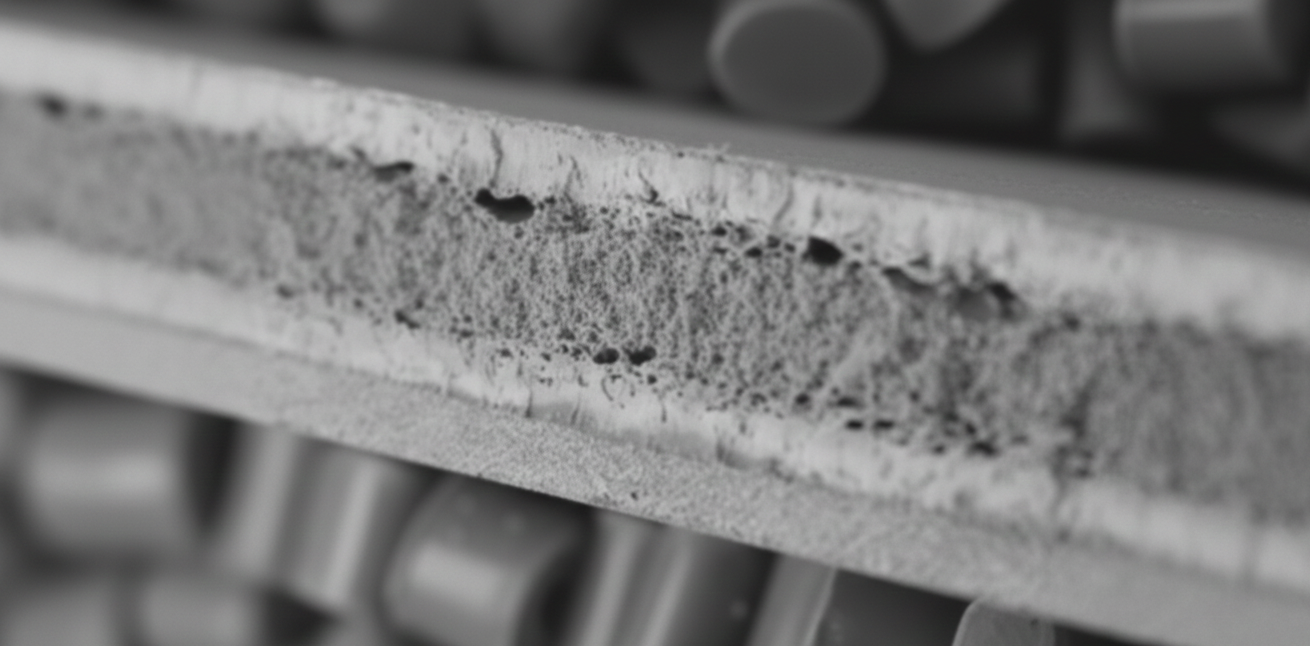
Structural foam molding is a process that creates a part with a cellular core and a solid skin. And engineers achieve this by mixing a foaming agent into the molten plastic before injection. As the plastic enters the mold, the agent expands to fill the space.
The resulting part has a cross-section that looks like a sandwich. The outer layer is smooth and hard, while the inside is porous like a sponge. Thus, the structure is very strong, yet it’s made of a light material that isn’t solid plastic.
Why Use Structural Foam for Large Parts?
Large components like pallets or crates often become too heavy if they are solid. Structural foam allows these items to stay manageable for workers and shipping teams. It also uses less raw material, which helps lower the cost of production.
The expansion of the foam helps fill large cavities at much lower pressures. This means the machine does not have to work as hard to hold the mold shut. Lower pressure also reduces the risk of the plastic warping after it leaves the tool.
How the Foaming Process Works
The process begins by heating the resin and a chemical blowing agent in the machine barrel. When the mixture is injected into the mold, the pressure drop causes gas bubbles to form. These bubbles push the plastic against the walls of the mold tool.
Because the foam expands from within, it acts as an internal pressure source. This force keeps the outer skin tight against the metal surface of the mold. The result is a part that has great dimensional stability and very little internal stress.
Benefits of Lower Clamping Pressure
Standard molding requires massive force to keep the mold halves together during injection. Since structural foam uses internal expansion, the required clamping force is much lower. This allows factories to use larger molds on smaller, more efficient machines.
Lower pressure also means the molds themselves can be made from lighter materials. Some factories use aluminium molds instead of heavy steel for certain projects. Aluminium is easier to machine and cools faster, which helps speed up the project timeline.
Designing for Structural Foam
Parts designed for this process can have much thicker walls than standard molded parts. In traditional molding, thick walls lead to sink marks and slow cooling times. Structural foam avoids these issues because the internal bubbles occupy the extra space.
Designers can add ribs and bosses without worrying about surface defects. These features add even more stiffness to the large part without adding significant weight. This freedom allows for more creative and functional industrial designs.
Material Choices for Foam Molding
Most common resins like polyethylene and polypropylene work well with foaming agents. High-performance engineering plastics can also be foamed for specialized applications. The choice depends on how the final part will be used in the field.
Adding glass fibers to the foamed resin can increase the stiffness even further. This combination creates parts that are incredibly tough and resistant to impacts. Choosing the right material blend is a major factor in the success of the part.
Surface Finish Considerations
Parts made with structural foam often have a unique swirl pattern on the surface. This happens because of the gas bubbles moving against the mold wall. For many industrial parts, this textured look is perfectly acceptable.
If a smooth finish is needed, the parts can be sanded or painted after molding. Some factories use a gas-counter pressure method to hide the swirl marks. This adds a small cost but results in a high-quality aesthetic finish.
Quality Control in Foam Production
Checking the density of the part is the best way to monitor quality. If the part is too heavy, the foaming agent might not be working correctly. If it is too light, the part might lack the necessary strength.
Workers use ultrasonic tools to check the thickness of the solid outer skin. A consistent skin thickness is needed to handle physical loads. Keeping these metrics in check helps maintain a high standard for every production run.
Solving Common Foam Issues
Large voids or uneven cell structures can happen if the gas is not mixed well. This creates weak spots that might fail under pressure. Engineers solve this by adjusting the temperature and the speed of the injection.
The venting of the mold is also a factor in part quality. If the air cannot escape, the foam will not expand to the edges of the tool. Adding vents in the right places helps the foam fill the entire cavity properly.
Environmental Impact of Foam Molding
Using less plastic per part is a big win for sustainability goals. Since the core is hollow, the total amount of resin used drops by up to 20 percent. This reduction lowers the carbon footprint of the manufacturing process.
Most structural foam parts are fully recyclable at the end of their life. This fits well with the global move toward a circular economy. So now China is investing in these green technologies to meet international environmental standards.
Key Takeaway
Structural foam is a smart way to manufacture bigger parts that need to stay light. And the large part injection molding in China provides the tools and skills needed to master this complex process. With it, brands can create tough, economical products that perform well in demanding environments.