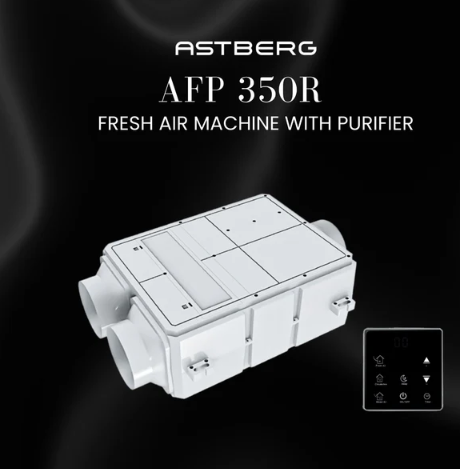
Indoor air quality is a critical factor in maintaining a healthy and comfortable living environment. While many homeowners focus on heating and cooling efficiency, the quality of the air we breathe often goes overlooked. A fresh air unit is a vital solution designed to bring in clean, filtered outdoor air while removing stale indoor air, creating a healthier atmosphere for you and your family. In this article, we explore how a fresh air unit works, its benefits, and why it is essential for modern homes and workplaces.
Understanding a Fresh Air Unit
A fresh air unit is a mechanical ventilation system that introduces outdoor air into indoor spaces while controlling humidity, temperature, and air quality. Unlike standard HVAC systems that primarily circulate indoor air, a fresh air unit ensures a constant supply of fresh, oxygen-rich air. This system is particularly valuable in well-sealed, energy-efficient buildings, where natural ventilation may be insufficient.
Fresh air units often include high-quality filters that remove dust, pollen, and other airborne pollutants. Some advanced models even integrate air purification technologies, such as UV lights or activated carbon filters, to target bacteria, viruses, and odors. By maintaining a steady flow of clean air, these units prevent the accumulation of harmful contaminants indoors.
Key Benefits of a Fresh Air Unit
1. Enhances Indoor Air Quality
The primary benefit of a fresh air unit is improved air quality. Modern homes and offices are tightly insulated, which limits natural airflow. Without proper ventilation, pollutants like dust, pet dander, volatile organic compounds (VOCs), and carbon dioxide can build up, leading to poor air quality. By introducing filtered outdoor air, a fresh air unit reduces these contaminants, creating a healthier environment for occupants.
2. Reduces Health Risks
Poor indoor air quality has been linked to various health issues, including allergies, asthma, headaches, and fatigue. A fresh air unit helps mitigate these risks by continuously supplying clean air and removing indoor pollutants. For households with children, elderly members, or individuals with respiratory conditions, this system can significantly improve overall well-being and comfort.
3. Maintains Comfortable Humidity Levels
A good fresh air unit also helps regulate humidity, preventing excess moisture that can lead to mold growth or dry air that irritates the skin and respiratory system. By balancing indoor humidity, the unit contributes to a more comfortable living environment and protects the structural integrity of your home.
4. Supports Energy Efficiency
Contrary to common belief, introducing fresh air doesn’t always mean higher energy bills. Many modern fresh air units are designed with energy recovery ventilators (ERVs) or heat recovery ventilators (HRVs), which capture heat from outgoing air and transfer it to incoming air. This process minimizes energy loss while ensuring consistent ventilation, making it both eco-friendly and cost-effective.
5. Eliminates Odors and Stale Air
Over time, indoor spaces can develop stale or unpleasant odors from cooking, pets, or chemical products. A fresh air unit continuously exchanges indoor air with fresh outdoor air, reducing odors and creating a cleaner, more pleasant atmosphere. This is particularly useful in kitchens, basements, or high-occupancy areas where air can quickly become stagnant.
Installation and Maintenance Considerations
Installing a fresh air unit requires careful planning to ensure optimal performance. Professional HVAC technicians can determine the appropriate unit size based on your space, occupancy, and ventilation needs. Placement is also crucial—units are typically installed near HVAC systems to integrate seamlessly with existing ducts.
Regular maintenance is essential to keep a fresh air unit operating efficiently. This includes replacing or cleaning filters, checking for proper airflow, and inspecting components for wear or damage. Proper maintenance not only ensures better air quality but also prolongs the life of the system.
Choosing the Right Fresh Air Unit
When selecting a fresh air unit, consider the following factors:
-
Capacity: Ensure the unit can handle the volume of air required for your space.
-
Filtration Quality: Look for high-efficiency filters that remove dust, allergens, and pollutants.
-
Energy Efficiency: Opt for units with ERV or HRV technology to reduce energy consumption.
-
Noise Levels: Some units operate quietly, while others may produce noticeable sound—choose according to your comfort preferences.
-
Brand Reputation: Select a trusted brand known for durability and reliable performance.
By carefully evaluating these factors, you can invest in a fresh air unit that provides long-term health benefits and improved indoor comfort.
Conclusion
A Fresh Air Unit is more than just an accessory for your home or office—it is an essential component of a healthy indoor environment. By introducing clean, filtered outdoor air and removing stale indoor air, these units improve air quality, reduce health risks, regulate humidity, and support energy efficiency. Whether you’re concerned about allergies, odors, or overall comfort, a fresh air unit offers a practical, long-term solution for cleaner, healthier indoor living.
FAQs About Fresh Air Units
1. What is a fresh air unit, and how does it work?
A fresh air unit is a mechanical ventilation system that brings outdoor air inside while removing stale indoor air. It filters pollutants, regulates humidity, and can integrate with existing HVAC systems for efficient air exchange.
2. Do fresh air units help with allergies?
Yes. By filtering out dust, pollen, and other airborne allergens, a fresh air unit can significantly reduce allergy symptoms and improve indoor air quality for sensitive individuals.
3. How often should a fresh air unit be maintained?
Filters should typically be cleaned or replaced every 3–6 months, depending on usage. Regular inspection of components and airflow ensures optimal performance and longevity.
4. Can a fresh air unit save energy?
Modern fresh air units with energy recovery ventilators (ERV) or heat recovery ventilators (HRV) transfer heat between incoming and outgoing air, minimizing energy loss and maintaining efficient ventilation without increasing utility bills.