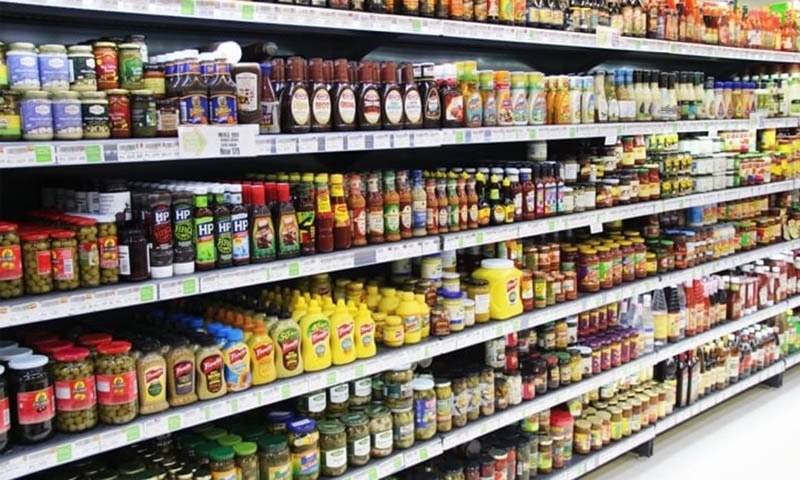
Pakistani cuisine is known for its bold flavors, aromatic spices, and rich culinary heritage rooted in centuries of tradition. From the vibrant foods of Punjab to the rustic dishes of Sindh, the hearty flavors of Khyber Pakhtunkhwa, and the aromatic specialties of Balochistan, Pakistan offers one of the most diverse and flavorful cuisines in South Asia. At the heart this culinary richness lie authentic Pakistani groceries—the essential ingredients that bring traditional recipes to life. These groceries are more than just items on a shelf; they represent a deep cultural identity, family traditions, and the unforgettable taste of home.
Whether you live in Pakistan or abroad, understanding and sourcing authentic Pakistani groceries is key to recreating the dishes that generations have cherished. This article explores the essentials of Pakistani groceries, their cultural significance, and how they shape the nation’s beloved cuisine.
The Importance of Authentic Ingredients
Pakistani cooking relies heavily on the quality of ingredients. Every spice, herb, grain, and condiment has a role to play. Authentic groceries provide the depth of flavor and aroma that define traditional dishes such as biryani, nihari, haleem, karahi, and chapli kebab. Many of these items are grown or prepared using traditional methods, which enhance their uniqueness.
Authentic Pakistani groceries ensure:
- The right balance of spices
- The signature aroma of classic dishes
- Nutritional richness
- Cultural and culinary accuracy
Using substitutes often leads to a noticeable difference, which is why many Pakistani households and expatriates prefer sourcing original ingredients.
Essential Pakistani Spices
Spices are the backbone of Pakistani cuisine. They transform simple ingredients into flavorful masterpieces.
- Garam Masala
A warm, aromatic blend of cinnamon, cloves, cardamom, and pepper, garam masala is used in curries, rice dishes, and marinades. Each region of Pakistan has its own variation.
- Red Chili Powder (Lal Mirch)
Pakistani red chili powder is known for its intense color and heat. Popular varieties include Kashmiri chili for its vibrant red color and moderate heat.
- Turmeric (Haldi)
Used in nearly every curry, turmeric adds earthiness and color while offering anti-inflammatory benefits.
- Cumin (Zeera)
Whole and ground cumin are used for tempering, curries, lentils, and bread. It adds a warm, nutty flavor essential to Pakistani cooking.
- Coriander (Dhaniya)
Both seeds and powder are used for flavoring meat, vegetables, and lentils.
- Black Cardamom, Cloves, and Bay Leaves
These whole spices add depth to biryanis, pulaos, and slow-cooked gravies.
Pakistani cuisine is incomplete without these spices, and authentic versions provide the true fragrance and taste passed down through generations.
Staple Ingredients in Pakistani Households
Alongside spices, several staple items form the foundation of traditional Pakistani meals.
- Basmati Rice
Long-grain basmati rice from Punjab is prized for its aroma and fluffy texture. It is the key ingredient in biryani, pulao, and many festive dishes.
- Atta (Whole Wheat Flour)
Used to make roti, chapati, and paratha, authentic Pakistani atta offers the soft texture and nutty taste that define the country’s flatbreads.
- Lentils (Daal)
Staples like masoor, moong, chana daal, and mash daal form hearty, protein-rich meals enjoyed daily across the country.
- Gram Flour (Besan)
Used to make snacks like pakoras, chilla, and sweets such as laddoos, authentic besan has a distinct aroma that enhances flavor.
- Ghee and Mustard Oil
Traditional cooking fats, both ghee and mustard oil impart a unique richness and depth to Pakistani dishes.
Specialty Items That Define Pakistani Cuisine
Certain groceries have a special place in Pakistani kitchens due to their traditional roots and unmistakable flavor.
- Pickles (Achaar)
Pakistani pickles—made from mango, lemon, carrot, or mixed vegetables—are spicy, tangy, and perfectly complement everyday meals.
- Chutneys
From mint chutney to tamarind sauce, chutneys add zest and freshness to snacks and meals.
- Shan and National Masala Mixes
These packaged spice mixes are popular for their convenience and authenticity, especially for expatriates longing for Pakistani flavors abroad.
- Dates and Dry Fruits
Used in desserts and festive dishes, Pakistani dry fruits such as almonds, pistachios, and dried apricots hold cultural significance.
- Pink Himalayan Salt (Kala Namak & White Salt)
Pakistan is home to the world-famous Khewra Salt Mine, producing premium quality Himalayan salt used worldwide.
Sourcing Authentic Pakistani Groceries Abroad
As Pakistani communities grow globally, access to authentic groceries has improved significantly. Many international supermarkets now carry Pakistani staples, and online stores have revolutionized availability.
Tips for Finding Authentic Ingredients:
- Look for products imported directly from Pakistan.
- Check expiration dates, especially for spices and pickles.
- Choose brands known for quality and authenticity.
- Explore online South Asian grocery stores for a wider selection.
These options ensure that anyone, no matter where they live, can bring the flavors of Pakistan into their kitchen.
Cultural Importance of Pakistani Groceries
Food holds a special place in Pakistani culture. Each ingredient reflects tradition, hospitality, and the warmth of home. From family feasts during Eid to everyday meals shared at the table, authentic groceries play a role in creating memories and keeping traditions alive.
The act of cooking itself—measuring spices, kneading dough, tempering lentils—is a cherished cultural ritual passed from one generation to the next. Authentic ingredients help preserve the essence of these traditions.
Conclusion
Authentic Pakistani groceries serve as the foundation of a rich, vibrant, and diverse culinary tradition. They carry the aromas, flavors, and cultural stories that make Pakistani cuisine truly special. Whether you’re preparing a comforting bowl of daal, a celebratory biryani, or a simple roti, the authenticity of the ingredients makes all the difference. For Pakistanis living abroad or food lovers seeking to explore this cuisine, sourcing genuine Pakistani groceries ensures an experience that is flavorful, nostalgic, and true to tradition.
