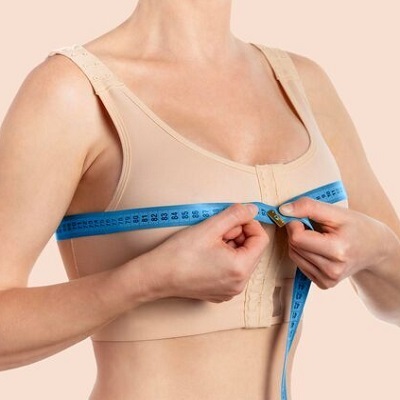
Breast reduction surgery is not just about making breasts smaller—it is about creating balance, comfort, and long-term satisfaction. One of the most important and often misunderstood parts of this procedure is how surgeons determine the new breast size. Many patients assume they can simply choose a cup size, but in reality, the process is far more detailed and personalized.
Understanding how surgeons make this decision helps patients set realistic expectations and feel confident going into surgery.
Why Breast Size Decisions Are So Important:
Choosing the correct breast size during reduction surgery directly affects both physical comfort and emotional well-being. Removing too little tissue may fail to relieve symptoms, while removing too much can lead to dissatisfaction or aesthetic imbalance.
Surgeons aim to:
-
Relieve neck, shoulder, and back pain
-
Improve posture and movement
-
Create natural-looking proportions
-
Maintain nipple health and sensation
-
Ensure long-term comfort
Patients seeking Breast reduction in Islamabad often benefit from a careful, medically guided approach rather than focusing only on cosmetic goals.
Why Cup Size Is Not a Reliable Measure:
Cup size varies widely between bra brands, styles, and countries. A “D cup” in one brand may fit like a “C” or “DD” in another. This inconsistency makes cup sizes unreliable for surgical planning.
Instead of promising a specific cup size, surgeons focus on:
-
Breast volume and weight
-
Tissue composition (fat vs glandular tissue)
-
Chest wall dimensions
-
Overall body balance
This approach ensures safer surgery and more predictable results.
Evaluating Overall Body Proportions:
Body proportion plays a major role in deciding the new breast size. Surgeons assess the entire body, not just the breasts.
Factors include:
-
Height and body frame
-
Shoulder width
-
Waist and hip measurements
-
Chest wall size
For example, a petite patient may require a greater reduction to achieve balance, while a taller or broader-framed patient may look proportional with a slightly fuller result. The goal is harmony—not a one-size-fits-all outcome.
Medical Safety Comes First:
No matter how much reduction a patient desires, safety is always the top priority. Surgeons carefully evaluate how much tissue can be safely removed without compromising healing or nipple health.
Key medical considerations:
-
Blood supply to the nipple and areola
-
Skin elasticity and thickness
-
Breast density
-
Risk of delayed wound healing
In cases of very large breasts, surgeons must balance symptom relief with preserving vital tissue structures.
Understanding Breast Tissue Composition:
Breasts contain a mix of fatty tissue and glandular tissue. This composition varies from person to person and affects surgical planning.
-
Fat-dominant breasts tend to shrink more naturally with weight loss
-
Glandular-dominant breasts often require surgical removal for size reduction
Surgeons tailor the reduction technique based on tissue type to achieve the best shape and feel after surgery.
The Role of Symptoms in Size Decisions:
One of the main reasons women seek breast reduction is physical discomfort. Surgeons carefully consider symptom severity when determining how much tissue to remove.
Common symptoms include:
-
Chronic back, neck, and shoulder pain
-
Bra strap grooving
-
Skin rashes under the breasts
-
Difficulty exercising or breathing comfortably
-
Sleep disturbances
More severe symptoms often indicate the need for a larger reduction.
Lifestyle and Activity Level:
A patient’s lifestyle plays a key role in deciding the new breast size. Surgeons ask detailed questions about daily activities and physical demands.
Lifestyle factors include:
-
Exercise habits
-
Occupation (physical vs sedentary)
-
Sports participation
-
Clothing preferences
Highly active patients often benefit from smaller, lighter breasts that allow greater freedom of movement.
Patient Preferences and Aesthetic Goals:
While medical factors guide safety, patient preferences guide satisfaction. Surgeons work closely with patients to understand their desired outcome.
Discussions may include:
-
Desired fullness or contour
-
Preference for natural vs compact appearance
-
Cultural or personal beauty standards
-
Clothing fit goals
Photos, diagrams, and mirror consultations help align expectations with realistic outcomes.
How Surgeons Calculate Tissue Removal:
Instead of cup sizes, surgeons calculate reduction volume in grams. This allows precise surgical planning and documentation.
The amount of tissue removed depends on:
-
Breast size and density
-
Severity of symptoms
-
Body proportions
-
Insurance or medical guidelines (if applicable)
This method ensures accuracy and consistency during surgery.
Symmetry and Breast Shape Planning:
No two breasts are exactly alike. Surgeons carefully adjust tissue removal on each side to improve symmetry.
They also plan for:
-
Proper nipple height
-
Natural breast projection
-
Smooth contour along the chest wall
-
Balanced cleavage
Attention to these details ensures a natural, aesthetically pleasing result.
Nipple Position and Sensation Preservation:
For large reductions, repositioning the nipple is essential. Surgeons must maintain blood supply and nerve connections to preserve sensation.
Careful planning helps:
-
Keep nipples viable
-
Maintain natural appearance
-
Reduce risk of complications
This is one reason experience is crucial in breast reduction surgery.
Can the Final Size Change After Surgery?
Yes. Swelling can make breasts appear larger immediately after surgery. Over time, swelling subsides and the breasts settle into their final shape.
Final results usually become apparent within:
-
6 weeks for initial shape
-
3 to 6 months for size stabilization
-
Up to 12 months for full scar maturation
Surgeons plan reductions with this healing process in mind.
Emotional and Psychological Considerations:
Breast size has a strong emotional impact. Surgeons understand that choosing the new size affects self-image, confidence, and identity.
Many patients report:
-
Improved self-esteem
-
Increased comfort in social settings
-
Freedom in clothing choices
-
Reduced self-consciousness
These emotional benefits are a major part of successful outcomes.
The Importance of Surgeon Experience:
Deciding the new breast size requires technical skill, medical judgment, and aesthetic understanding. An experienced surgeon knows how to balance all these factors safely.
Choosing a qualified specialist ensures:
-
Accurate size planning
-
Lower complication risk
-
Natural-looking results
-
Long-term satisfaction
Communication Leads to Better Results:
Open communication between patient and surgeon is essential. Asking questions, expressing concerns, and discussing expectations leads to better alignment and satisfaction.
Patients who actively participate in the planning process often feel more confident and pleased with their results.
Final Thoughts:
Deciding the new breast size during reduction surgery is a complex, personalized process. Surgeons consider body proportions, medical safety, symptoms, lifestyle, and patient goals to create balanced, comfortable, and natural results.
For expert consultation, individualized planning, and trusted surgical care, choose the experienced professionals at Royal cosmetic surgery clinic to ensure your breast reduction journey is safe, informed, and rewarding.
