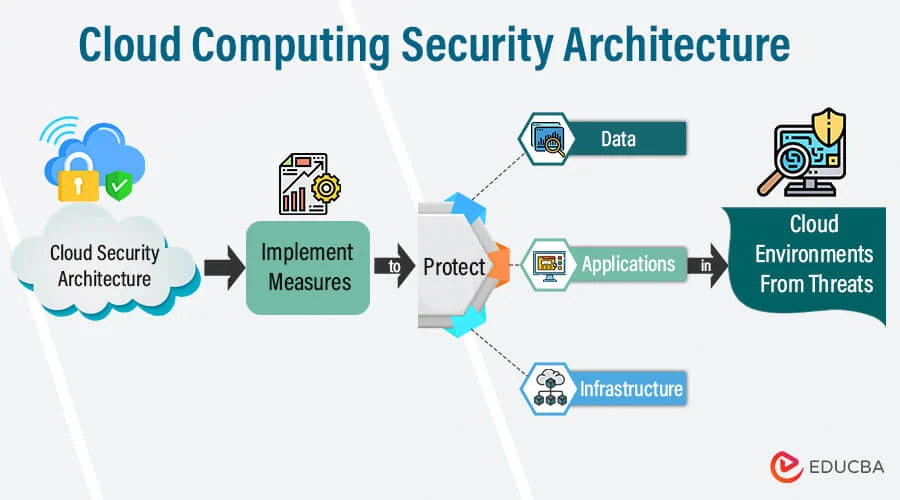
As businesses rapidly migrate to the cloud to improve scalability, cost efficiency, and agility, the importance of cloud computing security has never been greater. With sensitive data, mission-critical applications, and digital workflows residing in cloud environments, organizations must adopt robust security measures to safeguard information and maintain trust. Cloud computing security refers to the set of technologies, processes, and policies designed to protect cloud-based systems from cyber threats, unauthorized access, data leakage, and service disruptions.
Understanding Cloud Computing Security
What Is Cloud Computing Security?
Cloud computing security encompasses a comprehensive framework of tools and strategies that ensure the confidentiality, integrity, and availability of data stored in cloud infrastructure. These measures address vulnerabilities associated with virtualization technologies, multi-tenant environments, remote access, and distributed resources. Cloud security is a shared responsibility between cloud service providers (CSPs) and customers, where providers secure the infrastructure while users protect applications, access controls, and internal policies.
Why Cloud Security Matters
With the rise of remote work, digital transformation, and global data exchanges, cyber threats have become increasingly sophisticated. Organizations that rely on cloud solutions must protect against:
- Data breaches and leaks
- Unauthorized access
- Advanced malware and ransomware attacks
- Service downtimes and disruptions
- Compliance and regulatory violations
The financial, reputational, and operational impact of these threats highlights the need for strong cloud security practices.
Key Components of Cloud Computing Security
1. Identity and Access Management (IAM)
IAM ensures that only authorized individuals can access cloud resources. It includes multi-factor authentication (MFA), role-based access control (RBAC), single sign-on (SSO), and privileged access management. Effective IAM minimizes human errors and prevents attackers from exploiting weak credentials.
2. Data Encryption
Encryption protects sensitive information both in transit and at rest. Modern cloud solutions implement AES-256 encryption, SSL/TLS secure channels, and encryption key management. Even if unauthorized access occurs, encrypted data remains unreadable without proper keys.
3. Network Security and Firewalls
Cloud providers use next-generation firewalls (NGFWs), virtual private networks (VPNs), and intrusion detection and prevention systems (IDPS) to monitor network traffic. These tools identify malicious activity, block suspicious requests, and maintain secure data flow across the cloud infrastructure.
4. Threat Detection and Monitoring
Continuous monitoring tools help identify abnormal behaviors, unauthorized access attempts, misconfigurations, and system vulnerabilities. AI-powered analytics and security information and event management (SIEM) platforms provide real-time insights and alerts to strengthen the organization’s security posture.
5. Compliance and Governance
Cloud security includes adherence to industry standards such as GDPR, ISO 27001, HIPAA, SOC 2, and local data protection laws. Strong governance ensures ethical data handling, transparency, and accountability.
Common Threats in Cloud Environments
Data Breaches
One of the most significant risks, data breaches occur when attackers exploit weak access controls or vulnerabilities in cloud applications. The consequences include identity theft, financial loss, and legal penalties.
Misconfigurations
Cloud misconfigurations, such as publicly exposed databases, are a leading cause of cloud-related cyber incidents. They typically result from user error, inadequate policies, or lack of security audits.
Insider Threats
Employees or contractors with access privileges may intentionally or unintentionally compromise cloud data. Implementing strict IAM and monitoring tools helps mitigate these risks.
DDoS Attacks
Distributed Denial of Service (DDoS) attacks overwhelm cloud servers, causing downtime and service interruptions. CSPs deploy DDoS protection systems to maintain service availability.
Best Practices for Strengthening Cloud Computing Security
1. Implement a Zero Trust Security Model
Zero trust operates on the principle of “never trust, always verify.” Every request (internal or external) is authenticated, authorized, and continuously validated. This significantly reduces lateral movement within cloud networks.
2. Regular Security Audits and Penetration Testing
Routine audits help detect vulnerabilities early. Penetration testing simulates real-world attacks, providing insights into weak areas and improving security maturity.
3. Use Strong Access Controls and MFA
Applying least privilege access ensures users only have permissions necessary for their roles. MFA adds an additional layer of protection against credential theft.
4. Data Backups and Disaster Recovery Plans
Frequent data backups and a robust disaster recovery plan minimize downtime and data loss in the event of cyberattacks or system failures.
5. Continuous Employee Training
Human error remains one of the biggest cyber threats. Regular cybersecurity training helps employees identify phishing attempts, follow secure password practices, and understand cloud usage policies.
The Future of Cloud Computing Security
The future of cloud security is driven by automation, artificial intelligence, and advanced encryption technologies. Trends such as Secure Access Service Edge (SASE), confidential computing, and AI-driven threat detection are reshaping how organizations protect their digital assets. As cloud adoption expands, businesses must invest in modern security tools and collaborate closely with CSPs to maintain a strong and resilient security framework.
Conclusion
Cloud computing security is essential for protecting sensitive data, maintaining business continuity, and building customer trust in today’s digital-first world. By adopting strong security frameworks, implementing best practices, and understanding modern threats, organizations can confidently leverage cloud technology to drive innovation and growth. A well-secured cloud environment not only safeguards operations but also positions businesses for long-term success.