For centuries in India, the cow has been treated as a sacred mother. Along with milk, curd and ghee, cow dung has also been valued as an important gift of nature — not just in spiritual rituals, but for health and everyday life. In traditional homes and villages, people have used cow dung in many ways, believing it brings purity, comfort and healing.
Cow is considered sacred in Hinduism and is worshipped. Cow has been given the status of mother, but not only cow, but five things related to cow also have special importance in Hinduism. Five things that are mainly obtained from cow are considered essential for religious rituals, worship and auspicious works. These five things related to cow are called Panchagavya, which includes cow’s milk, curd, ghee-butter, cow urine and cow dung. Cow dung is very important in these Panchgavya. Panchgavya is precious gift to humankind.
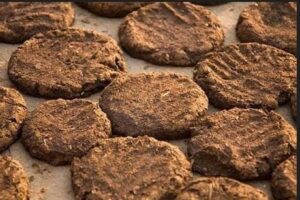
In Panchgavya, Cow dung is considered very beneficial according to Ayurveda. At the same time, the religious importance of cow dung is also very important. Cow dung is considered sacred. Dung cakes are mostly used during worship.
Apart from this, there are some very effective and unique remedies of cow dung which can not only prove effective in removing your problems but can also make you gain money. Cow dung is considered very sacred in religious rituals. The place of worship is smeared with cow dung. Along with this, there is a law to make an idol of Ganesha from cow dung and worship it. Many rituals are incomplete without cow dung.
Spiritual and Cultural Significance
Cow dung carries a sacred status in Hindu culture. It is often used during rituals and worship. People smear cow dung on floors or temple walls, believing it helps maintain cleanliness and spiritual purity. In many homes, dried cow-dung cakes are used as fuel for yajnas (sacred fire rituals) or house ceremonies. This age-old respect for cow dung comes from a deep belief in its purity and its ability to protect the home from negative energy.
Burning cow-dung cakes — sometimes mixed with a little ghee and camphor — is believed to produce smoke that cleanses the house spiritually and brings harmony among family members.
Natural Disinfectant and Cleaner
Beyond its spiritual value, cow dung also has practical advantages in rural and traditional contexts. It is known to act as a natural disinfectant and antiseptic. In many villages, cow-dung coatings on floors or walls help repel insects and mosquitoes and keep the home environment cool and hygienic.
Also, the smoke from burning cow-dung cakes is said to purify the air. Unlike modern chemical-based air fresheners, this natural smoke helps reduce germs and may even repel insects, offering a simple, eco-friendly way to freshen indoor air.
Healing and Skin Benefits
In traditional remedies (sometimes associated with Ayurveda and village medicine), cow dung has been used for skin problems. A paste made of cow dung is believed to help with itching, rashes or other skin troubles when applied a few times a week. Several sources mention its use for skin-related diseases.
Some old traditions even suggest that applying cow-dung paste on heel pain, or swelling, or on parts of the body that got hurt — for example due to an electric shock — may bring relief.
Also, after burning cow-dung cakes, the ash that remains is sometimes used in household remedies — for example, mixed in water and consumed to help with digestion or worms — though such uses are part of traditional belief and are not widely accepted by modern medicine.
Eco-Friendly Manure and Farming Benefits
While this may not directly affect human health, how we grow our food affects our health too. Cow dung — when properly composted — becomes excellent natural manure. It enriches the soil, improves its fertility, and helps grow healthy crops without using chemical fertilisers.
Using cow-dung manure means safer, chemical-free vegetables and grains — which in turn supports better health for people eating them.
Balancing Tradition and Common Sense
Many traditional uses of cow dung draw on centuries-old knowledge. Its role in rituals, cleaning floors, purifying air, fertilising soil — all reflect a deep connection between human life and nature. At the same time, one must use common sense. While cow dung’s disinfectant and soil-enriching qualities are valued, applying strong claims like using it instead of proper medical treatment should be avoided.
If used properly — for cleaning homes, as organic manure, or for traditional rituals — cow dung can show how traditional wisdom and nature’s gifts can work together in a simple, earth-friendly lifestyle.
Krishnayan draws its essence from the Shreemad Bhagavad Gita, carrying the divine philosophy of Lord Krishna. It is not just an institution but a sacred movement built upon the principles of seva (service), daan (charity), and dharma (righteous duty).
Guided by Krishna’s timeless values, Krishnayan is a living testament to Bharat’s spiritual heritage. Every step taken here honors parmarth seva — dedicated service to Gaumata, Sanatan Dharma, and the soul of Bharat.
