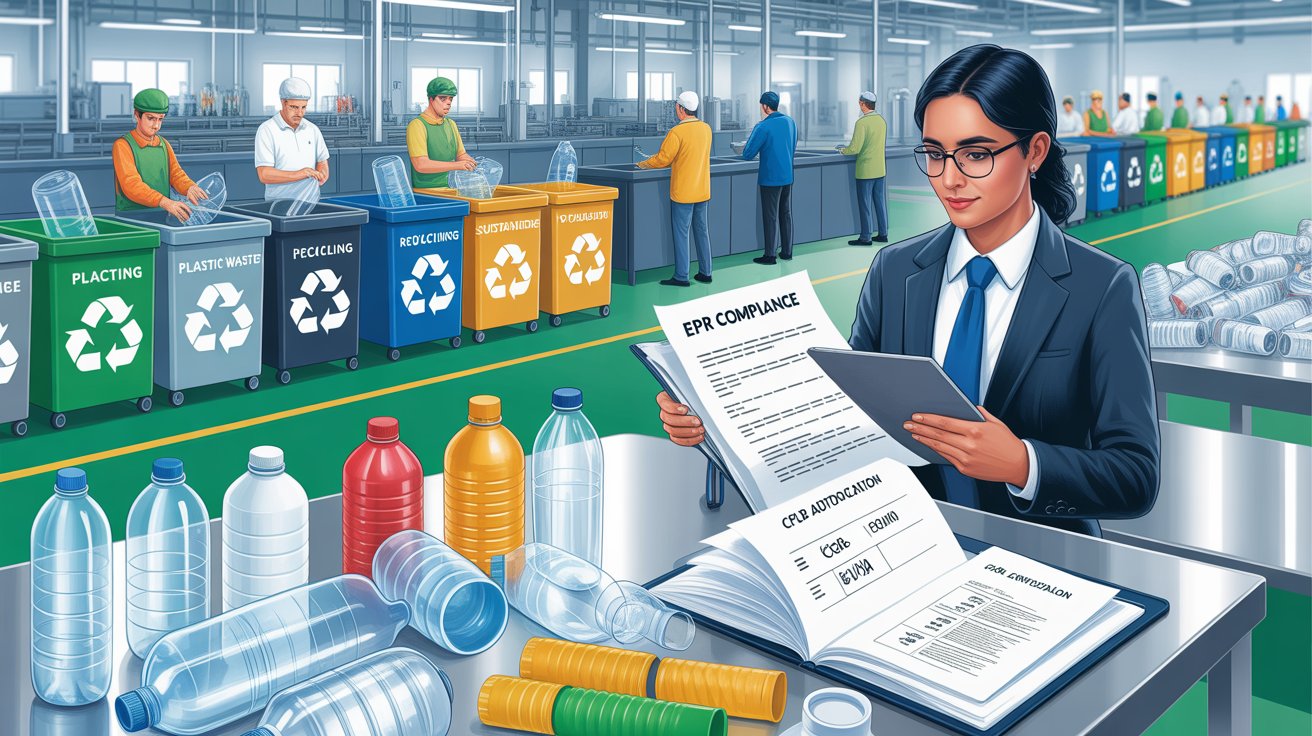
Plastic has become an essential part of modern manufacturing. From packaging to product protection, it plays an important role in almost every industry. However, managing plastic waste has now become a serious responsibility for businesses in India. To address this growing concern, the government introduced Extended Producer Responsibility (EPR), making manufacturers accountable for the plastic waste generated by their products.
This guide is designed to help Indian manufacturers understand EPR requirements in a clear and practical way, without legal jargon or complicated explanations.
Understanding Extended Producer Responsibility (EPR)
Extended Producer Responsibility is a policy framework that places the responsibility of managing plastic waste on producers, importers, and brand owners (PIBOs). Instead of plastic waste becoming only a municipal issue, businesses are now expected to take ownership of the waste they introduce into the market.
This includes collection, recycling, processing, or safe disposal of plastic packaging waste generated after consumer use. The goal is simple—reduce plastic pollution and promote sustainable waste management practices across India.
Why EPR Matters for Indian Manufacturers
Plastic waste is increasing rapidly due to urban growth, rising consumption, and increased packaging use. India generates millions of tons of plastic waste every year, and a large portion remains unmanaged.
EPR is not just a legal obligation; it is also a step toward responsible manufacturing. Manufacturers who follow EPR guidelines help:
- Reduce environmental pollution
- Promote recycling and circular economy
- Improve brand reputation
- Avoid penalties and legal issues
Most importantly, EPR helps businesses align with India’s long-term sustainability goals.
Who Needs to Comply with EPR Regulations?
EPR applies to a wide range of businesses involved with plastic packaging, including:
- Manufacturers producing plastic packaging material
- Importers bringing packaged goods into India
- Brand owners selling products with plastic packaging
- E-commerce companies using plastic for delivery and packing
If your business places plastic into the Indian market in any form, EPR compliance is mandatory.
What is EPR for Plastic Waste Management?
EPR for Plastic Waste Management is a structured system under which manufacturers must ensure that the plastic waste generated from their products is properly collected and processed. This system operates through registered recyclers, waste processors, and authorized agencies.
Under this framework, businesses must declare the quantity and type of plastic they use and meet recycling or waste management targets assigned by the authorities.
Key Responsibilities Under EPR
Manufacturers must fulfill several responsibilities to stay compliant:
1. Plastic Waste Assessment
Businesses must assess how much plastic they introduce into the market annually. This includes different categories such as rigid plastic, flexible plastic, multilayer packaging, and compostable plastic.
2. Recycling and Waste Processing Targets
Based on the quantity of plastic used, businesses are assigned specific recycling or processing targets that must be achieved within a defined time period.
3. Engagement with Authorized Recyclers
Manufacturers must work only with government-registered recyclers or waste management agencies to fulfill EPR obligations.
4. Data Reporting and Documentation
Accurate reporting of plastic waste generation, recycling certificates, and compliance data is essential for maintaining transparency and avoiding penalties.
Importance of EPR Certification for Plastic Waste Management
EPR Certification for Plastic Waste Management is official proof that a business is compliant with plastic waste rules issued by the Central Pollution Control Board (CPCB). This certification is mandatory and acts as legal authorization to operate.
Without proper certification, manufacturers may face heavy fines, business restrictions, or suspension of operations. Certification also builds trust with partners, clients, and regulatory authorities.
The certification process ensures that waste is handled responsibly and that businesses meet their environmental commitments.
Step-by-Step Process to Obtain EPR Certification
Obtaining EPR Certification for Plastic Waste Management may seem complex, but with the right guidance, it becomes manageable.
Step 1: Business Registration on CPCB Portal
Manufacturers must register on the CPCB EPR portal with valid business details.
Step 2: Plastic Category Identification
Identify the type and quantity of plastic packaging used in products.
Step 3: EPR Action Plan Submission
Submit a waste management plan detailing how recycling or disposal targets will be achieved.
Step 4: Authorization and Approval
After review, the CPCB issues EPR authorization, allowing businesses to operate legally.
Step 5: Annual Compliance and Reporting
Regular reporting and documentation must be maintained to continue compliance.
Common Challenges Faced by Manufacturers
Many manufacturers struggle with EPR due to:
- Lack of clarity about regulations
- Difficulty in identifying reliable recyclers
- Incorrect data reporting
- Delays in certification approval
These challenges often arise due to limited awareness and technical understanding of compliance processes.
How Professional Support Makes EPR Easy
Working with experienced EPR consultants helps manufacturers save time and avoid costly mistakes. Professional support ensures accurate documentation, reliable recycler partnerships, and smooth certification approval.
With expert guidance, businesses can focus on growth while staying fully compliant with waste management laws.
Business Benefits of EPR Compliance
Apart from legal compliance, EPR for Plastic Waste Management offers long-term benefits:
- Improved brand image and customer trust
- Strong ESG and sustainability profile
- Reduced regulatory risks
- Better alignment with eco-conscious markets
Responsible waste management is increasingly becoming a deciding factor for consumers and investors alike.
Conclusion
Plastic waste management is no longer optional for Indian manufacturers. Compliance with EPR for Plastic Waste Management ensures legal security, environmental responsibility, and sustainable business growth.
By obtaining EPR Certification for Plastic Waste Management, manufacturers not only meet regulatory requirements but also contribute to a cleaner and more responsible future. With the right understanding and expert support, EPR compliance becomes a smooth and valuable process rather than a burden.
Original Source: https://bizdirectoryhub.com/epr-for-plastic-waste-management-a-guide-for-indian-manufacturers/