Introduction: Why 2026 Will Be the Year of Skill-Aware Workforces
As businesses stride toward 2026, we’re watching something interesting happenteams are no longer measured only by hours logged but by skills gained and impact created. At Kanhasoft, we’ve seen organizations crave smarter insights rather than endless spreadsheets. And honestly, we can’t blame them. With hybrid work stabilizing and automation pushing boundaries, workforce analytics is shifting from “nice-to-have” to “how-did-we-live-without-this.” That’s exactly where modern ERP enters the picture quietly revolutionary and wildly practical.
Understanding ERP for Workforce Productivity Tracking & Skill Analytics
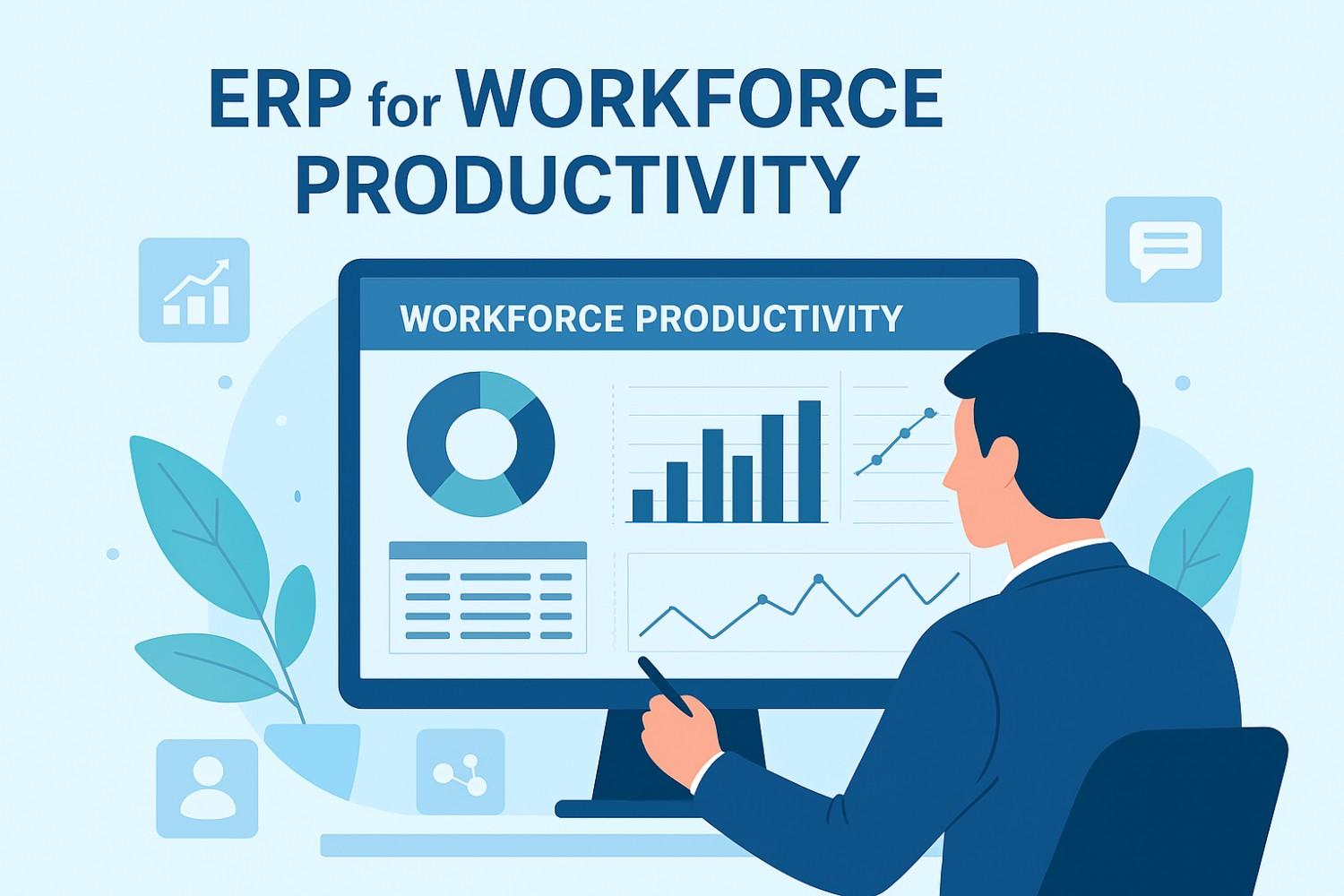
In simple terms, ERP for productivity and skills blends data, automation, and visibility into one streamlined system. Instead of juggling multiple tools, managers get a unified platform that reveals who’s doing what, how well they’re doing it, and where skills could be strengthened. We’ve watched teams go from blind guesswork to confident planning almost overnight. When insights flow freely, decisions finally make sense—and that’s a shift every organization deserves to experience.
The 2026 Productivity Landscape: What’s Changing & Why It Matters
The workplace of 2026 thrives on flexibility hybrid models, automation support, and digital-first processes. But alongside the convenience comes real pressure to optimize talent. Productivity isn’t about speed alone; it’s about alignment, clarity, and continuous upskilling. Many of our clients tell us they simply want “a clearer picture,” which is exactly what next-gen systems provide. When companies understand productivity patterns, teams work smarter, risks drop, and growth feels far more predictable.
How Modern ERP Software Development Is Transforming Workforce Tracking
Modern ERP development isn’t just about building features—it’s about removing friction. We’ve replaced messy time sheets and ad-hoc status updates with real-time tracking, clean interfaces, and automated workflows. Everything lives in one place, accessible from anywhere. For teams juggling remote members, contractors, and shifting roles, this centralization feels like a breath of fresh air. When data syncs automatically, people stop chasing information and start focusing on actual results.
Skill Analytics: The Next Competitive Edge
Skill analytics lets leaders see beyond job titles and into real capabilities. Instead of guessing who fits a role, companies can identify gaps, strengths, and opportunities instantly. We once worked with a team convinced they needed more hiring—turns out, they simply weren’t using the skills they already had. With visibility comes efficiency. When organizations understand what employees can do, not just what they were hired to do, magic happens.
AI-Driven Custom ERP: The Core Engine Behind Smarter Workforce Decisions
AI-powered ERP brings intelligence into everyday operations. It analyzes patterns, forecasts needs, and suggests improvements before problems escalate. For managers, this means less micromanagement and more strategic thinking. We’ve seen AI spot emerging skill gaps long before performance dips. And because suggestions come in real time, companies can pivot quickly. With AI woven into the workflow, decisions become sharper, faster, and surprisingly more humane.
From Time Tracking to Outcome Tracking (And Why That Shift Is Overdue)
Time spent doesn’t always equal value created—something teams have known for years but couldn’t measure accurately. Outcome tracking focuses on results, quality, and the effectiveness of work. We’ve implemented systems where teams stop worrying about clock hours and start focusing on deliverables. That shift boosts morale and accountability. When employees understand that outcomes matter more than busywork, productivity naturally follows without added pressure.
Workforce Heatmaps & Performance Insights: Visualizing Team Flow
Heatmaps give leaders a quick way to understand workloads, bottlenecks, and high-performance zones. Instead of digging through reports, managers see everything at a glance—where energy spikes, where tasks pile up, and where teams shine. We’ve seen clients use heatmaps to prevent workload imbalances that once caused burnout. Clear visuals guide better conversations, smarter planning, and more balanced teams. Sometimes all it takes is a simple visualization.
AI-Generated Skill Profiles & Talent Matching
AI-generated skill profiles map what employees know, what they’re learning, and what roles fit them best. It’s like giving teams a GPS for talent allocation. Organizations no longer rely on gut feelings when assigning people to projects. Instead, the system matches individuals based on strengths and growth potential. We’ve watched this feature reduce mismatches dramatically, leading to smoother project delivery—and happier employees who finally feel aligned with their natural abilities.
Automated Upskilling Paths Built Directly Into ERP
Upskilling shouldn’t be random. ERP-integrated learning paths recommend training based on performance trends, future demands, and personal goals. When employees know exactly what to learn next, motivation increases. We’ve seen training completion rates jump simply because learning became part of daily workflow instead of an afterthought. These systems guide growth naturally, ensuring teams evolve alongside the business rather than lag behind it.
Predictive Analytics for Workforce Planning (The 2026 Playbook)
Predictive analytics helps organizations prepare instead of react. It identifies staffing gaps, turnover risks, seasonal demands, and project-specific needs. With these insights, leaders can allocate resources with confidence. We’ve seen companies prevent last-minute scrambles thanks to these forecasts. Data-driven planning removes the guesswork, helping businesses reduce costs and ensure teams stay balanced and ready for shifting priorities.
Role-Based Productivity Modeling for Different Departments
Every department works differently—sales, operations, IT, and support each have their own rhythm. Role-based modeling tailors metrics to match these realities. Instead of forcing generic KPIs on everyone, ERP systems track what actually matters. We’ve seen this change performance conversations because teams finally feel evaluated fairly. When metrics make sense, they motivate instead of frustrate.
Gamified Productivity Modules to Boost Engagement
Gamification can do wonders for motivation when implemented thoughtfully. Badges, leaderboards, and achievement milestones nudge employees toward better performance without feeling forced. We’ve seen teams turn productivity into friendly competition, often with surprisingly positive results. People enjoy recognition, even digital badges—especially when peers celebrate with them. It’s a simple layer that adds a spark of fun to regular work.
How AI-First ERP Prevents Employee Burnout
AI-based systems can detect workload spikes, stress indicators, and productivity drops before burnout sets in. By analyzing patterns, ERP platforms suggest reassignments or breaks when needed. We’ve seen organizations dramatically reduce turnover by acting early. When teams feel supported—not watched—they thrive. Burnout prevention isn’t just about being humane; it directly improves performance and retention.
Skill DNA Graphs: A 2026 Must-Have for Growing Organizations
Skill DNA maps the entire organization’s capabilities in one dynamic view. Leaders can quickly see strengths, shortages, and potential overlaps. This is incredibly useful for companies scaling rapidly or juggling multiple projects. We’ve watched managers use Skill DNA graphs to form well-balanced teams within minutes. It’s a strategic tool that makes planning smoother and growth more intentional.
Field Workforce Productivity Optimization
Field teams often struggle with connectivity gaps, unclear routing, or manual updates. ERP with mobile-first features solves these issues with geo-tracking, offline functionality, and smart task assignment. We’ve seen on-ground teams cut travel time, reduce errors, and report progress seamlessly. When the field workforce gets real-time support, operations run faster—and far more efficiently.
Integrating ERP With Existing HRMS & Project Tools
Seamless integration keeps data unified and prevents duplication. Modern ERP systems sync effortlessly with HRMS platforms, payroll tools, and project management systems. We’ve handled dozens of integrations where teams instantly benefited from cleaner data flow. It reduces manual entry, eliminates confusion, and strengthens collaboration across departments. When systems talk to each other, people spend less time fixing issues and more time creating value.
Security & Compliance in Workforce Analytics ERP
Workforce data is sensitive, and protecting it is a top priority. Encryption, role-based access, and compliance frameworks ensure privacy stays intact. We’ve helped clients implement monitoring features that respect boundaries while providing necessary insights. With well-designed controls, organizations enjoy transparency without compromising trust. A secure ERP builds confidence across the entire team.
Common Implementation Challenges (and How We Solve Them)
Adopting a new ERP can bring hurdles—change resistance, data inconsistencies, or training gaps. We’ve walked clients through these challenges countless times. Our approach focuses on clear communication, smooth onboarding, and iterative improvements. When users feel involved and supported, adoption becomes easier. Most obstacles are temporary; a thoughtful rollout ensures long-term success.
Anecdote From a Kanhasoft Project
We once worked with a fast-growing company convinced they needed to double their staff. After implementing productivity analytics, they discovered their existing team was underutilized—simply misaligned. Within weeks, efficiency surged without hiring a single person. The CEO joked that our ERP “found hidden employees.” Moments like that remind us why aligned insights matter more than assumptions.
Cost Breakdown: What Businesses Should Expect in 2026
Pricing varies depending on customization, integrations, users, and hosting choices. Cloud solutions usually offer better scalability and lower upfront costs, while on-prem setups provide more control. We help clients evaluate which approach fits their budget and long-term goals. Clear cost planning ensures transparency and avoids surprises during implementation.
Industries That Benefit the Most From Workforce Productivity Tracking
Sectors like manufacturing, healthcare, IT services, and construction gain tremendous value from performance analytics. These industries rely heavily on coordination, timelines, and skilled labor. With tracking and skill mapping, they achieve smoother workflows and fewer disruptions. We’ve seen each sector use the data differently, but the outcome is almost always the same—stronger performance and happier teams.
Why 2026 Is the Best Time to Invest in AI-Driven Workforce ERP
Technology is finally reaching a maturity point where AI, automation, and analytics work seamlessly together. Organizations investing now gain a competitive advantage—higher efficiency, smarter planning, and better retention. We’ve watched early adopters move ahead quickly, while others struggle to catch up. With workforce expectations evolving, 2026 presents the perfect moment to upgrade.
How Kanhasoft Approaches ERP for Productivity & Skills
We focus on tailored solutions that match each client’s workflow. Instead of forcing a one-size-fits-all model, we design systems that evolve with your team. Our process emphasizes clarity, usability, and long-term scalability. We believe a productive workforce comes from tools that support—not complicate—daily work. That principle guides every ERP we build.
Future Trends Beyond 2026: What’s Coming Next?
Looking ahead, we expect workforce analytics to lean even more toward automation. AI coaches, zero-click reporting, autonomous team routing, and cross-company skill exchanges may soon shape the future. These innovations will encourage organizations to rethink how talent is discovered and developed. What seems futuristic today could be tomorrow’s standard.
Conclusion
As we look toward 2026, one thing becomes clear—teams thrive when clarity meets capability. ERP systems built for productivity and skill analytics aren’t just tools; they’re partners that help organizations understand their people better. At Kanhasoft, we’ve seen firsthand how these insights transform scattered workflows into purposeful momentum. When companies embrace smart tracking, burnout eases, alignment improves, and growth feels less chaotic. Ultimately, smarter systems lead to healthier teams—and healthier teams always win.
FAQs
What is ERP for Workforce Productivity Tracking?
It’s a centralized system that monitors real-time work patterns, task progress, and team performance. Instead of juggling multiple software tools, organizations get one platform that reveals productivity trends, workload distribution, and areas for improvement. This makes planning smoother and decision-making faster.
How does skill analytics improve team performance?
Skill analytics identifies employee strengths, learning needs, and potential gaps within the team. When leaders understand these insights, they can assign roles more effectively, provide relevant training, and prevent skill shortages before they affect performance. It’s a smarter way to build balanced teams.
Why do companies need AI-driven ERP for 2026?
AI-driven ERP platforms predict trends, automate repetitive processes, and help managers make proactive decisions. As businesses face fast-changing demands, AI ensures teams stay aligned, efficient, and ready for shifts in workload or skill requirements.
Can ERP replace traditional time-tracking systems?
Yes modern ERP systems go far beyond manual time logs. They track outcomes, productivity patterns, and overall work quality
How secure is workforce analytics data?
ERP platforms use encryption, role-based access, and compliance frameworks to protect sensitive information. Only authorized users can view specific data, ensuring transparency without compromising employee privacy.
