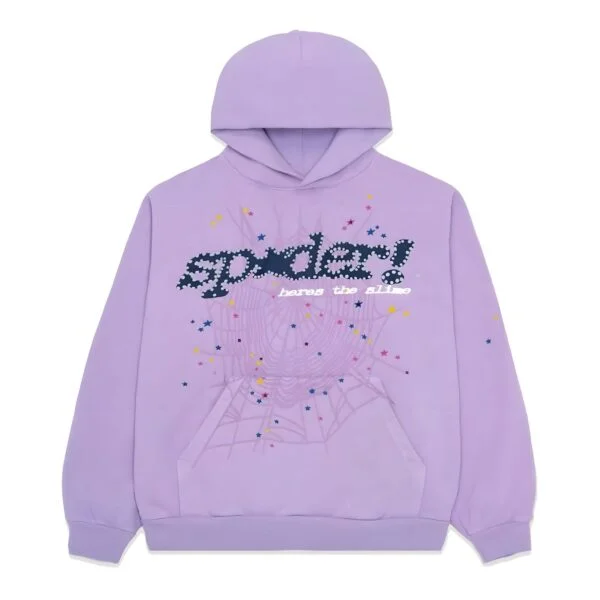
In the world of custom apparel, printing, and garment decoration, few tools are as important as a heat press. Whether you’re a beginner experimenting with custom T-shirts or an established business scaling production, your equipment directly affects quality, efficiency, and profitability. Many creators focus heavily on transfer quality while underestimating how much the press itself influences the final result. Temperature accuracy, pressure consistency, and platen size all play major roles in long-term success. Choosing the right heat press isn’t just a technical decision—it’s a strategic one. The wrong setup can cause uneven prints, wasted materials, and customer dissatisfaction, while the correct investment supports consistency, durability, and professional-grade output across every project.
Choosing the Right Heat Press for Your Needs
When selecting the right heat press, the first step is understanding how you plan to use it. A hobbyist producing occasional shirts at home has very different requirements than a business fulfilling daily bulk orders. Consider your production volume, workspace size, and the types of materials you’ll press most often. Flat heat presses are ideal for standard apparel, while specialty presses are better suited for hats, mugs, or sleeves. Additionally, think about whether you’ll be expanding your product line in the future. Planning prevents costly upgrades later and ensures your equipment grows alongside your creative or commercial goals.
Why the Right Heat Press Matters for Print Quality
Precision, Pressure, and Performance
The right heat press ensures even heat distribution and consistent pressure, which are critical for professional results. Uneven heat can cause partial adhesion, faded designs, or premature cracking after washing. Consistent pressure helps transfers bond properly with the fabric, improving durability and wash resistance. Digital temperature controls, adjustable pressure knobs, and reliable timers all contribute to predictable outcomes. This precision is especially important when working with modern transfer technologies that require exact application settings. Ultimately, quality control starts with your equipment, and a dependable press becomes the foundation of every successful print.
Types of Heat Press Machines Explained
Understanding the different machine styles helps you avoid overpaying or choosing an option that limits productivity. Clamshell presses are compact and budget-friendly, making them ideal for beginners or small spaces. Swing-away presses offer better visibility and more even pressure, which many professionals prefer. Draw-out presses improve safety and workflow by keeping the heating element away from the operator during setup. Choosing the right heat press style depends on comfort, safety priorities, and how frequently you’ll be pressing garments throughout the day. Each design has advantages, so matching the machine to your workflow is key.
Key Features to Look for in the Right Heat Press
When evaluating equipment, focus on features that enhance efficiency and reliability. The right heat press should include accurate digital temperature controls, even heat distribution across the platen, and pressure adjustability for different fabric thicknesses. Build quality also matters—solid frames, durable hinges, and industrial-grade heating elements extend machine lifespan. Safety features like automatic shut-off and heat-resistant handles reduce the risk of injury. While advanced features may increase upfront cost, they often save money over time by reducing errors, material waste, and downtime caused by inconsistent performance.
Compatibility with Modern Transfer Materials
Not all presses handle newer transfer types equally well. High-quality DTF, vinyl, and specialty finishes often require stable temperatures and consistent pressure over short dwell times. Brands like Mad Monkey Transfers emphasize precision application to achieve vibrant, long-lasting results, which highlights why dependable equipment matters. A reliable press helps ensure transfers adhere smoothly without scorching or lifting. When your machine maintains exact settings across repeated jobs, you protect both the transfer quality and the reputation of your finished products, especially when fulfilling customer orders at scale.
Special Effects and Advanced Applications
As apparel decoration evolves, many creators explore specialty finishes to stand out in a competitive market. Effects like metallics, puff prints, and glitter DTF transfers demand careful control during application. These finishes often require slightly different pressure or timing compared to standard transfers, and a versatile press makes experimentation easier. Consistency becomes especially important when producing multiple garments with the same effect. With dependable equipment, you can confidently offer premium options without worrying about uneven results or increased rejection rates during production runs.
Budget, Maintenance, and Long-Term Value
While price is always a factor, focusing solely on the cheapest option often leads to frustration. Investing in the right heat press means considering long-term value rather than upfront cost alone. Reliable machines require less maintenance, experience fewer breakdowns, and deliver consistent results over years of use. Routine care—such as cleaning platens, checking pressure settings, and calibrating temperature—extends lifespan and preserves accuracy. In the long run, a well-built press reduces wasted materials and supports steady growth, making it a smarter investment for serious creators and businesses alike.
Final Thoughts
Selecting the right heat press is about aligning your equipment with your creative goals, production needs, and quality standards. From understanding machine types to evaluating features and material compatibility, informed decisions lead to smoother workflows and better results. A dependable press supports experimentation, efficiency, and customer satisfaction, whether you’re printing a single shirt or hundreds. By prioritizing precision, durability, and scalability, you set a strong foundation for long-term success in custom apparel and heat transfer applications.