Hip replacement surgery has become one of the most reliable orthopedic procedures worldwide, giving millions of people the chance to walk, move, and live without chronic joint pain. When someone decides to undergo this major procedure, a common question arises right away: how long does a hip replacement last? This concern is completely valid because patients want to feel confident that their investment in mobility, comfort, and quality of life will stay with them for many years. Understanding the lifespan of modern implants, along with the factors that influence durability, helps set realistic expectations and empowers patients to care for their new joint in the best possible way.
Hip replacements are designed to be strong, resilient, and highly functional, often lasting decades when supported with the right care and lifestyle choices. But longevity depends on more than just the implant itself. Age, activity levels, bone quality, weight, and even surgical technique all influence long-term success. That’s why learning the complete picture—not just the numbers—gives you a more reliable guide to what your future might look like after hip replacement surgery.
Understanding How Long Modern Hip Implants Typically Last
Modern hip implants have advanced significantly over the past few decades. Below, explore the key factors affecting longevity.
Lifespan Expectations Based on Current Research
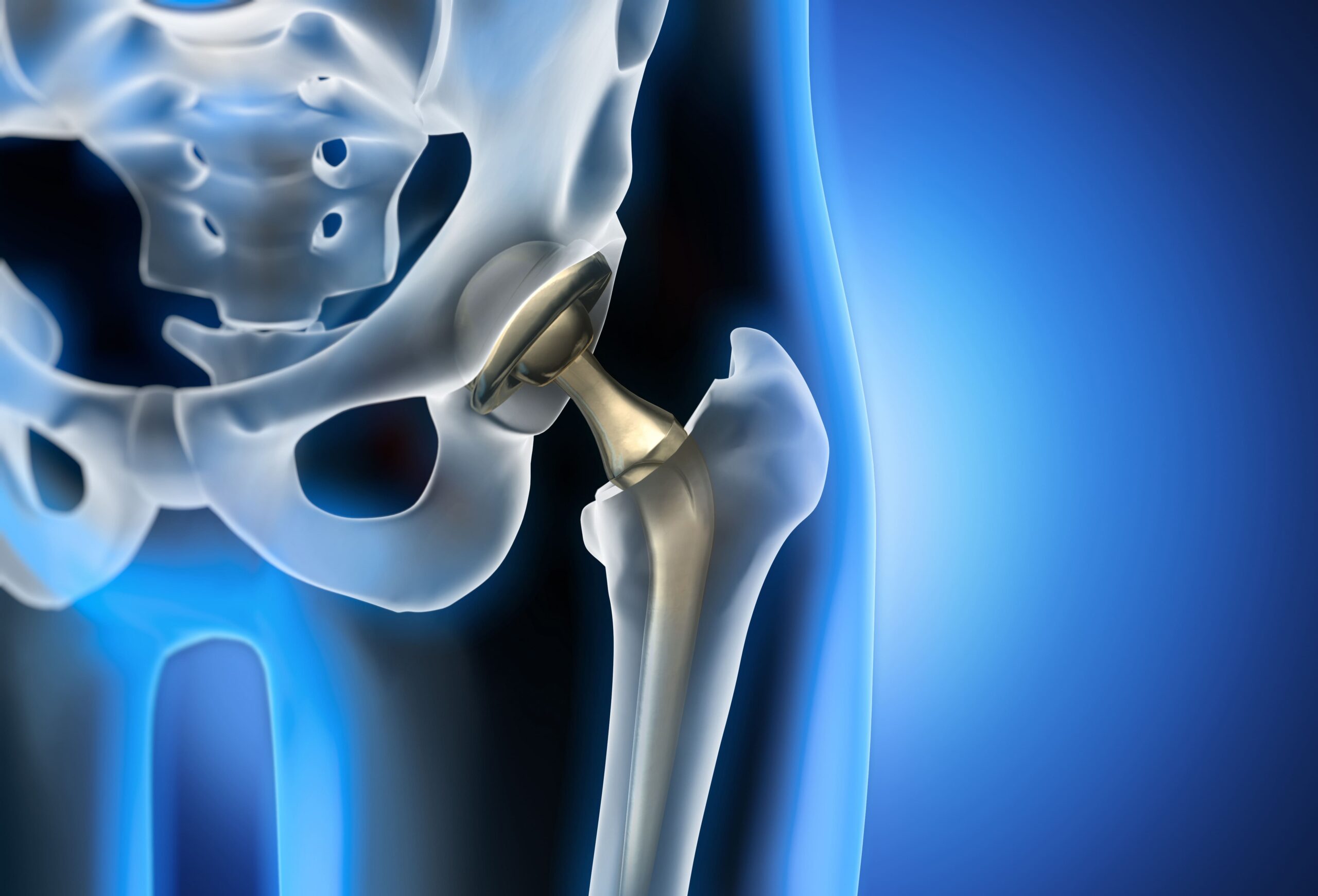
Patients today benefit from major improvements in materials such as ceramic, titanium, and highly cross-linked polyethylene. These innovations reduce wear and extend durability. Research shows that most hip replacements last 20 to 25 years, and many continue functioning even longer with proper care. The impressive lifespan is a result of modern engineering designed to mimic natural joint movement while minimizing friction and stress.
Why Longevity Varies from Person to Person
Although implants are engineered for strength, each patient’s body responds differently. Age at the time of surgery influences how long the joint will last. Younger, more active individuals put more stress on the implant, which may lead to earlier wear compared to older adults who move more moderately. Bone quality also plays a crucial role because weak or brittle bones increase the risk of early loosening, which can shorten the lifespan of the replacement.
Common Signs That Your Implant May Need Evaluation
Some symptoms can indicate that a hip replacement needs medical assessment. Persistent pain, stiffness that worsens instead of improving, or a sudden change in mobility may all be early warning signs. Clicking, grinding, or instability in the hip might also signal an issue. While these symptoms do not always mean the implant is failing, they should be discussed with a healthcare provider to prevent further complications.
Key Factors That Influence Hip Replacement Durability
Below is your next major section, which begins with the requested keyword usage in the first paragraph of this H2. As instructed: the keyword “Health and Wellness“ is used once and naturally.
The Role of Lifestyle in Implant Longevity
Daily habits directly affect how well your hip replacement performs over time. People who prioritize balanced movement, weight control, and overall Health and Wellness often experience fewer complications. Gentle physical activity, such as walking or swimming, strengthens surrounding muscles and improves joint support. Avoiding excessive high-impact exercises helps minimize stress on the artificial joint.
Impact of Body Weight and Activity Levels
Maintaining a healthy body weight is essential because additional pressure on the hip joint increases wear on implant surfaces. Simple activities such as climbing stairs, lifting heavy objects, or running can accelerate wear if not performed mindfully. While staying active contributes to better long-term health, choosing low-impact routines protects the replacement joint and ensures smoother movement.
How Surgical Technique and Implant Material Affect Results
The surgeon’s technique is another major factor determining how well the implant will function. Precise placement ensures smoother joint mechanics, reduces friction, and helps prevent complications like loosening or instability. Additionally, modern materials such as ceramic-on-polyethylene or metal-on-polyethylene offer different advantages. Some combinations provide superior wear resistance, while others prioritize flexibility or comfort. Discussing these options with your surgeon helps match the implant to your activity level and lifestyle.
Caring for Your Hip Replacement for Long-Term Success
This section helps you understand what actions support longevity after surgery.
Importance of Following Post-Surgery Guidelines
Your recovery process plays a major role in long-term results. Following post-surgery instructions, such as attending physical therapy and avoiding certain movements early on, allows your body to heal safely around the implant. These early steps create a stable foundation that supports the hip over the years. Patients who follow recovery guidelines closely tend to experience fewer complications and faster return to daily activities.
Why Regular Checkups Help Protect Your Hip
Even when your hip feels perfect, periodic checkups with your orthopedic specialist are essential. X-rays, exams, and mobility assessments help detect wear or early loosening before symptoms appear. Catching an issue early results in simpler treatments and a greater chance of preserving your implant. Many specialists recommend annual or bi-annual exams depending on the patient’s age and activity level.
Daily Habits That Support Long-Term Joint Comfort
Small, consistent lifestyle choices have a powerful impact on implant longevity. Maintaining good posture reduces strain on your hips and lower back. Practicing safe lifting techniques protects the joint from sudden stress. Incorporating gentle stretching improves flexibility and reduces discomfort during movement. These habits not only protect your hip but also enhance overall comfort and mobility.
FAQs
Q1: How long does a hip replacement typically last?
A: Most modern hip replacements last 20 to 25 years, and many last longer with proper care, healthy weight management, and regular medical follow-ups.
Q2: Can I return to normal activities after hip replacement surgery?
A: Yes, most patients resume daily activities within a few weeks. Low-impact exercises such as walking, cycling, and swimming are encouraged, while high-impact sports should be avoided.
Q3: What signs indicate a hip replacement may need revision?
A: Increasing pain, stiffness, instability, or unusual noises from the hip may signal the need for evaluation. Early detection helps prevent complications.
Conclusion
Hip replacement surgery has transformed countless lives by restoring mobility, reducing chronic pain, and enabling people to return to daily activities with confidence. Today’s implants are stronger than ever, often lasting decades when combined with mindful lifestyle choices and regular medical care. Understanding the factors that affect longevity—such as weight control, activity levels, bone health, and surgical technique—empowers patients to protect their investment in long-term comfort. With the right approach and consistent attention to your body’s needs, a hip replacement can offer lasting stability, smoother movement, and a renewed sense of independence for many years to come.