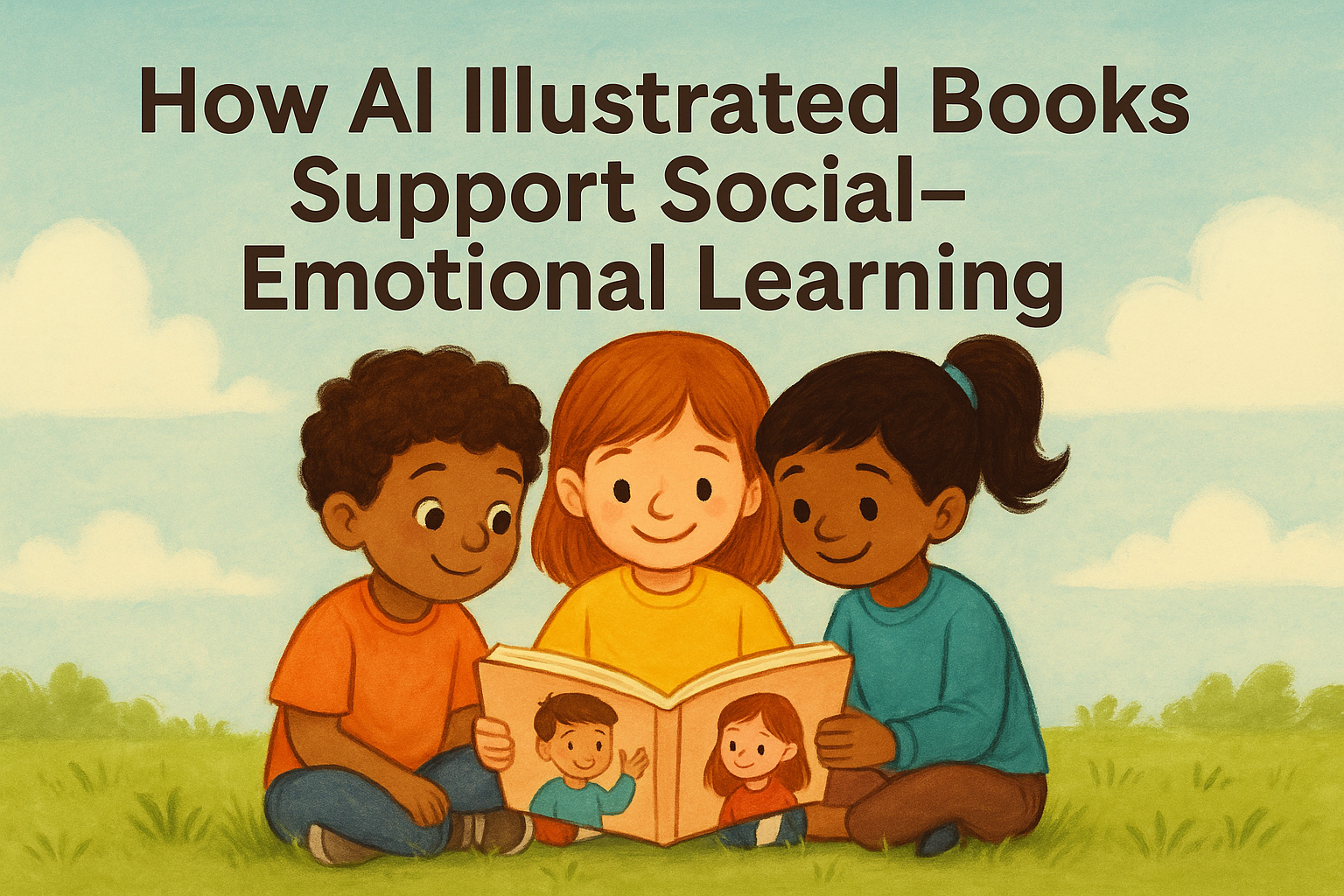
Children learn best when stories feel personal, relatable, and visually engaging. That is why AI illustrated children’s books are becoming popular among parents and teachers. They combine storytelling with expressive artwork, making it easier for kids to understand emotions, friendships, and real life situations. These books are especially helpful for teaching social skills, because the images and characters make the lessons easier to follow.
At the same time, platforms like Kidscribe now allow families to create customized social stories instantly. These stories help children learn communication, confidence, and problem solving in a simple and child friendly way.
In this article, you will learn how AI illustrated books support emotional development, encourage reading, and help children practice important social skills.
Why Illustrated Stories Matter for Child Development
Illustrations are one of the strongest tools for early learning. Young children understand pictures before they understand complex language. When a story includes expressive artwork, children pay closer attention. They can see how characters feel, react, and solve problems. This helps them connect emotionally with the story.
Illustrations also support memory. Children remember ideas better when they are linked to images. If a book includes a character showing kindness, bravery, or sharing, the child can recognize that behavior more easily later in real life.
AI illustrated children’s books take this a step further by creating images that match the child’s world. They can include diverse characters, friendly expressions, and gentle emotional cues that support learning.
How AI Creates Child Friendly Illustrations
AI tools now generate illustrations designed for young readers. They use soft colors, clear expressions, and simple shapes that help children understand emotions. When a character is sad, happy, nervous, or proud, AI can show these feelings in a clear and child safe way.
This helps children recognize emotions in themselves and others. Emotional recognition is important for friendships, communication, and social growth. When the pictures are gentle and friendly, the child feels safe exploring new topics.
Parents can also create stories based on their child’s age and comfort level. For younger children, illustrations can be simple, warm, and playful. For older children, AI can generate more detailed artwork that supports emotional learning.
Why Social Stories Are Important for Children
Social stories help children understand real life situations. They teach skills like sharing, listening, being patient, and communicating. They also help children navigate new experiences such as school, friendships, or changes in daily routine.
AI illustrated books make these lessons easier because the visuals guide the child through each scenario. The child can see what the characters are thinking or feeling. This helps them understand the reasons behind actions and reactions.
For example, a story about making a new friend can include illustrations showing:
• How to greet someone
• How to take turns
• How to show kindness
• How to talk about feelings
This visual guidance makes social learning smoother and more effective.
How AI Supports Personalized Learning
Personalization is one of the biggest advantages of AI illustrated children’s books. Every child learns differently. Some children need more emotional cues. Others need more visual storytelling. AI can adjust the illustrations and tone to match these needs.
Parents can enter details such as their child’s interests, age, or challenges. The AI then creates a story that feels familiar and comfortable. When a child sees characters or settings similar to their daily life, the learning becomes stronger.
Personalized illustrations also make the story more fun. Children enjoy seeing characters who look friendly, warm, and relatable. These small details make the reading experience more meaningful.
Why AI Illustrated Books Encourage Reading Habits
A child is more likely to read when the story feels exciting and the pictures feel inviting. AI illustrated children’s books create visually rich experiences that hold attention. When children enjoy reading, they return to books more often.
This improves vocabulary, comprehension, and imagination. Reading becomes a natural part of the child’s daily routine. AI books can also introduce new topics in a calm and child safe way. For example, a social story about starting school can help reduce anxiety and prepare the child for new experiences.
Since parents can generate new books anytime, there is always something fresh to read. This variety keeps reading interesting and helps build long term literacy skills.
How AI Stories Support Emotional Safety
Children learn best when they feel safe. AI illustrated books use gentle storytelling patterns and friendly expressions. This reduces fear or confusion around new topics. If a child is nervous about a situation, a story can explain it in a soft and supportive way.
For example, if a child is worried about making mistakes, a story can show a character learning from a small mistake and feeling better afterward. These emotional lessons help children develop confidence and resilience.
AI stories also allow parents to adjust tone. A calming tone works well at bedtime. A cheerful tone works well during the day. These small adjustments help the child feel emotionally supported.
How Social Stories Help With Real Life Situations
Many parents use social stories to prepare children for everyday challenges. These stories are especially helpful for transitions such as starting preschool, visiting relatives, understanding rules, or learning manners.
AI illustrated stories make these lessons easier to follow because children can see exactly what is happening. They learn step by step how to handle real situations. They also learn how to express themselves respectfully.
Social stories help children practice empathy. When they see how a character feels in a situation, they understand how their own actions affect others. This improves communication and cooperation.
The Future of AI Illustrated Books
The future of children’s books will combine creativity, technology, and emotional learning. AI illustrated stories will continue to evolve with richer artwork, more expressive characters, and deeper personalization.
Children may also be able to choose character emotions, story settings, and moral lessons. This will help them understand social behavior through interactive learning.
However, the heart of storytelling will remain the same. Stories teach values, spark imagination, and build emotional understanding. AI is simply helping parents bring these stories to life more easily.
Conclusion
AI illustrated children’s books make storytelling more personal, engaging, and supportive. They help children understand emotions, learn social skills, and enjoy reading. With tools like Kidscribe’s social stories, parents and teachers can create meaningful learning experiences within seconds.
Illustrated stories help children communicate better, build confidence, and understand the world around them. As technology grows, storytelling will continue to be one of the most powerful tools for child development.
FAQ
What is an AI illustrated children’s book?
It is a storybook created with AI generated illustrations designed for child learning and emotional development.
How do AI illustrations help children?
They use gentle visuals that help children understand emotions, routines, and social skills.
Are these stories safe for young children?
Yes, they are designed to be child friendly, comforting, and supportive.
Can AI create social stories for real life situations?
Yes, parents can create personalized social stories for school, friendships, routines, and challenges.
Do AI illustrated books help with reading skills?
Yes, they improve attention, vocabulary, and comprehension through visual engagement.

