Hair restoration has become one of the most talked-about solutions for individuals dealing with hair thinning or hair loss. One of the most common concerns before starting the journey is recovery time and how quickly visible results appear. Understanding the recovery timeline helps set realistic expectations and ensures a smoother experience. With Hair Transplant in Dubai recovery is generally gradual, structured, and highly dependent on proper care and patience. This detailed guide explains each phase of the recovery process, what to expect at every stage, and how best results are achieved over time. By knowing what happens after the procedure, individuals can feel more confident and prepared for the transformation ahead.
Understanding the Hair Transplant Recovery Process
Recovery after a hair transplant does not happen overnight. It is a step-by-step biological process where transplanted follicles adjust, rest, shed, and regrow. While the procedure itself may be completed within a single day, the healing and growth journey continues for several months. The recovery timeline can vary slightly depending on hair type, scalp condition, and adherence to post-procedure guidelines. However, most individuals follow a similar pattern of healing and regrowth.
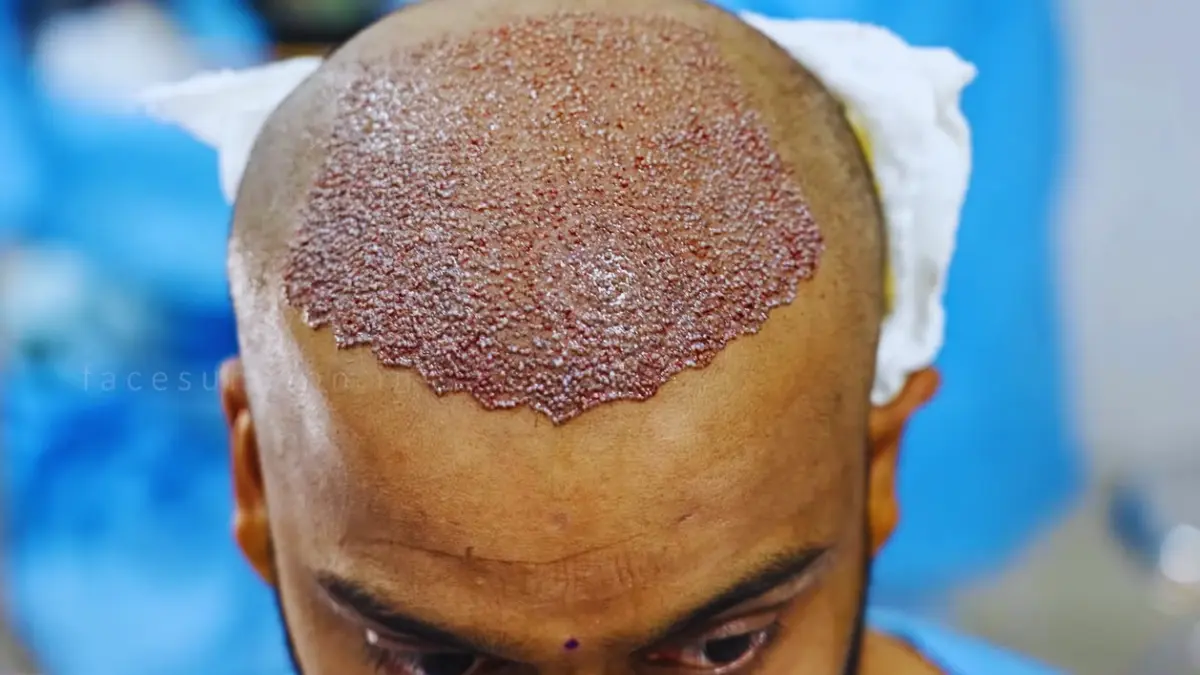
The First 24 to 72 Hours After the Procedure
The initial phase focuses on healing and scalp adjustment. During the first few days, mild redness, tightness, or swelling may be noticeable. These are natural responses as the scalp begins repairing itself.
Tiny scabs form around the implanted follicles, which protect the grafts during the early healing stage. It is essential to avoid touching, scratching, or applying pressure to the scalp during this period. Rest plays a vital role in speeding up recovery during these first few days.
Days 4 to 10: Early Healing Phase
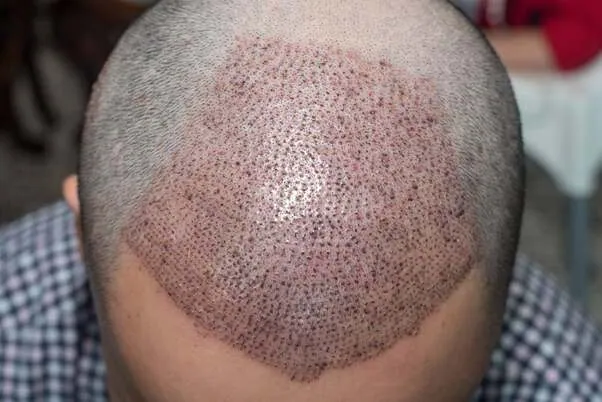
By the end of the first week, swelling usually subsides, and scabbing begins to loosen naturally. This phase is critical because the grafts are settling into their new location. Gentle cleansing may be introduced as advised, helping remove scabs without disturbing the follicles.
Some individuals may notice mild itching, which is a sign of healing. Avoiding aggressive rubbing or harsh products helps maintain graft integrity and promotes healthy recovery.
Weeks 2 to 4: Shedding Stage Explained
One of the most misunderstood stages of recovery is shedding. Around two to four weeks after the procedure, transplanted hairs often fall out. This can be alarming, but it is completely normal and temporary.
This shedding occurs because the hair shafts detach while the follicles remain safely embedded beneath the scalp. The follicles enter a resting phase before initiating new growth. Understanding this stage helps prevent unnecessary stress and unrealistic expectations.
Months 2 to 3: The Dormant Phase
During this period, visible changes may seem minimal. The scalp often looks similar to its pre-procedure state, which can test patience. However, beneath the surface, follicles are preparing for active growth.
This phase is crucial for long-term success. Maintaining scalp health, proper hydration, and overall wellness supports the follicles as they transition toward the growth stage.
Months 3 to 6: Visible Hair Growth Begins
Between the third and sixth month, new hair growth becomes noticeable. Initially, the hair may appear fine, soft, or slightly uneven in texture. Over time, these new strands gradually thicken and blend with existing hair.
This stage often brings renewed confidence as individuals start seeing tangible progress. Hair density improves steadily, and the scalp begins to look fuller.
Months 6 to 9: Strength and Density Improvement
By this stage, hair texture improves significantly. The strands become stronger, darker, and more consistent with surrounding hair. Styling becomes easier, and coverage looks more natural.
Most individuals experience noticeable improvement in volume and shape during this phase. While growth continues, the overall appearance becomes more refined and balanced.
Months 9 to 12: Near-Final Results
The majority of growth is achieved between nine and twelve months. Hair density reaches its peak, and transplanted hair behaves like natural hair. It can be washed, styled, and trimmed without concern.
Although some minor improvements may continue beyond one year, this stage generally represents the final outcome. Patience during earlier months pays off with long-lasting, natural-looking results.
Factors That Influence Recovery Speed
Several factors affect how quickly recovery progresses and how optimal the results appear:
-Scalp health before the procedure
-Consistency in following aftercare guidelines
-Individual healing response
-Lifestyle habits such as sleep, hydration, and stress levels
-Hair type and growth cycle
Maintaining a healthy routine supports faster recovery and stronger hair growth.
Tips to Support Faster Recovery and Better Results
While recovery follows a natural timeline, certain habits can help optimize results:
-Avoid strenuous activity during early healing
-Keep the scalp clean and protected
-Follow recommended washing routines
-Stay hydrated and maintain balanced nutrition
-Avoid smoking and excessive sun exposure
These practices help create an ideal environment for follicle growth and scalp healing.
Common Recovery Myths Debunked
Many misconceptions surround hair transplant recovery. Some believe results should be instant, while others fear permanent shedding. In reality, hair growth is gradual, and shedding is part of the normal cycle.
Another common myth is that transplanted hair requires special lifelong care. Once fully grown, transplanted hair behaves like natural hair and follows the same growth patterns.
Emotional Journey During Recovery
Recovery is not only physical but also emotional. It is normal to feel excited, impatient, or even doubtful during different stages. Understanding the timeline helps manage expectations and reduces anxiety.
Seeing progress month by month reinforces confidence and trust in the process. Supportive guidance and patience are key to staying positive throughout the journey.
Long-Term Outlook and Maintenance
Once the recovery period is complete, results are long-lasting. Transplanted follicles are designed to grow permanently in their new location. Maintaining general hair and scalp health supports continued strength and appearance.
Regular grooming, gentle products, and healthy lifestyle choices ensure that results remain natural and consistent over time.
Second Last Thoughts on Recovery Expectations
The recovery timeline requires patience, but the outcome is rewarding. With Hair Transplant, visible improvements happen gradually, leading to natural, fuller hair that blends seamlessly with existing strands. Understanding each phase helps individuals stay confident and committed throughout the process.
Final Conclusion
Hair Transplant Dubai recovery is a journey that unfolds over months, not days. From early healing to full growth, each stage plays a vital role in achieving the best outcome. By understanding the timeline, following recommended care practices, and maintaining realistic expectations, individuals can enjoy long-lasting, natural-looking results. With proper awareness and patience, the transformation becomes a positive and confidence-boosting experience.