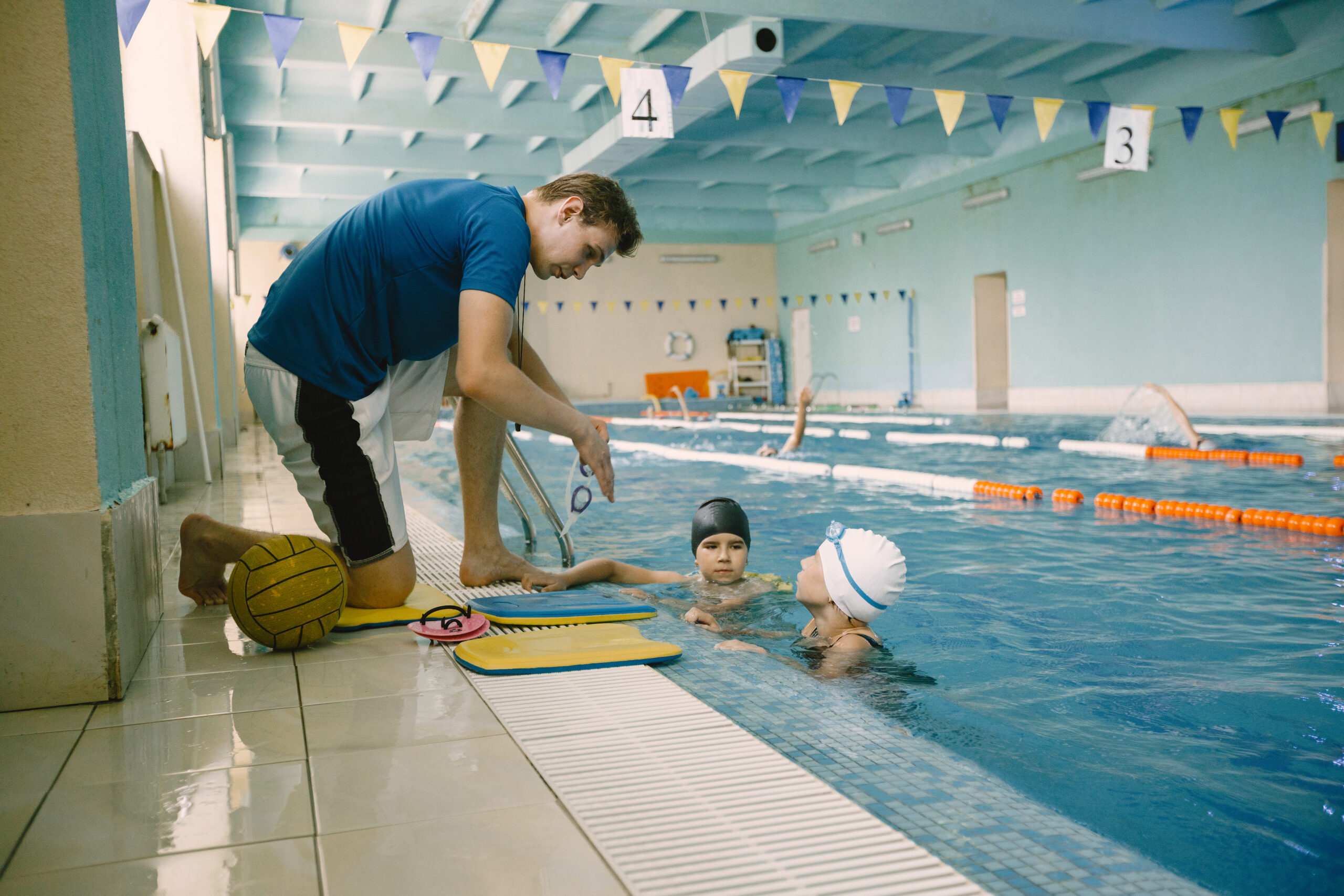
Running a swim center looks simple from the outside. People arrive, swim, and head home. Behind the scenes, every safe and smooth visit comes from careful planning. Strong swimming pool management services support the daily flow of families, athletes, and community groups. Good systems reduce staff stress and keep visitors safe. Swim centers depend on reliable support that guides everything from water quality to class schedules.
This article explores how thoughtful swim center management helps teams deliver better programs, improve safety, and run predictable operations. It also shows how simple systems can shape a positive experience for every swimmer.
Building a Clear Operational Structure
A swim center works best when teams know exactly what to do. Clear roles support smooth days. A new staff member should always know where to check water levels, how to log a maintenance task, and when to prepare the pool for a class. Without structure, tasks get delayed, and safety risks grow.
A strong management plan usually includes:
- Daily opening and closing checklists
- Water testing schedules
- Cleaning routines
- Class and lane setup instructions
- Emergency response procedures
Keeping Water Quality Safe All Day
The water itself is the heart of the swim center. Good swimming pool management services place water quality at the center of every decision. Teams test chlorine, pH, and temperature many times each day. Each test helps catch problems before swimmers notice them. A warm pool for lessons, a cooler pool for lap swimmers, and balanced chemicals keep visitors comfortable and safe.
A simple example helps show why this matters. Imagine a busy Saturday morning with swim lessons, family swim, and lap swimming all happening at once. Dozens of people jump in and out of the pool. Chemical levels shift. A strong management plan helps staff understand when to retest, adjust levels, and pause an activity if needed. These steps protect everyone in the water.
Preparing Staff for Real Situations
Swim centers are typically filled with activities, especially during swim season. A child might slip near the edge. A lap swimmer might cramp. A parent might ask for help finding a class. Staff need clear training that prepares them for unexpected moments.
Good swim center management builds this training into everyday operations. Staff learn:
- How to enforce rules in a direct and friendly way
- How to recognize unsafe behavior before it becomes a problem
- How to guide families through busy spaces
- How to assist swimmers who need extra support
- How to respond to emergencies with confidence
When training is ongoing, staff respond more quickly and communicate more effectively.
Designing Programs That Fit Local Needs
Every swim center serves a unique community. Some centers support competitive swimmers. Others focus on young families. Some serve adults who want low-impact exercise. Strong management starts with understanding the people who use the pool.
This helps the team build programs that match real demand. For example, a center that sees many young children might offer more beginner lessons in the afternoon. A center with active seniors might schedule water aerobics early in the morning. These choices come from careful planning and constant review of attendance patterns:
- Tracking which classes fill up first
- Adjusting staffing for busy hours
- Making sure lanes stay balanced between classes and lap swimmers
- Setting clear rules that help groups share space safely
Managing Busy Days and Special Events
Peak times can overwhelm teams without strong systems. Holidays, school breaks, and swim meets often bring large crowds. Teams need simple plans to stay organized when the pace increases.
- Assign staff to specific zones to reduce confusion
- Use clear signage to guide families
- Add short breaks for staff to stay alert
- Review traffic flow around locker rooms and decks
- Prepare backup plans for equipment changes or schedule shifts
Maintaining Safe and Reliable Facilities
Facilities need constant care. Good swimming pool management services include routine maintenance that prevents problems. A minor pump issue can shut down a full day of lessons. Simple daily checks help staff find problems early:
- Inspecting drain covers
- Checking filtration systems
- Examining deck surfaces for damage
- Testing safety equipment
- Tracking repairs and follow-up steps
Creating a Better Experience for Every Visitor
Strong swim center management supports more than safety and schedules. It creates a comfortable experience for every person who enters the space. When visitors meet organized staff, clean facilities, predictable programs, and safe water, they enjoy the center more. Good systems create this experience every day.
ㅤ ㅤ ㅤ ㅤ ㅤ ㅤ ㅤ ㅤ ㅤ ㅤ ㅤ ㅤ ㅤ ㅤ ㅤ ㅤ ㅤ ㅤ ㅤ ㅤ ㅤ ㅤ ㅤ ㅤㅤ ㅤ ㅤ ㅤ ㅤ ㅤ ㅤ ㅤ ㅤ ㅤ ㅤ ㅤ ㅤ ㅤ ㅤ ㅤ ㅤ ㅤ ㅤ ㅤ ㅤ ㅤ ㅤ ㅤㅤ ㅤ ㅤ ㅤ ㅤ ㅤ ㅤ ㅤ ㅤ ㅤ ㅤ ㅤ ㅤ ㅤ ㅤ ㅤ ㅤ ㅤ ㅤ ㅤ ㅤ