Unless this is your first-time purchase, the process of buying and selling happens at the same time. You find a buyer to sell your existing property and a new property to buy. There is no doubt that you will have to refinance or port your mortgage. If the property you are buying is more expensive or bigger, you will have to borrow more money. If you are looking to buy and sell a home simultaneously, you should consider the following steps:
- Get your property valued
Before you start looking for a buyer, you should get your property valued. Consult a real estate agent in your area who will help you know the current price of your property. You can also determine current house prices online. However, your local real estate agent will help you know the accurate prices by looking at your property.
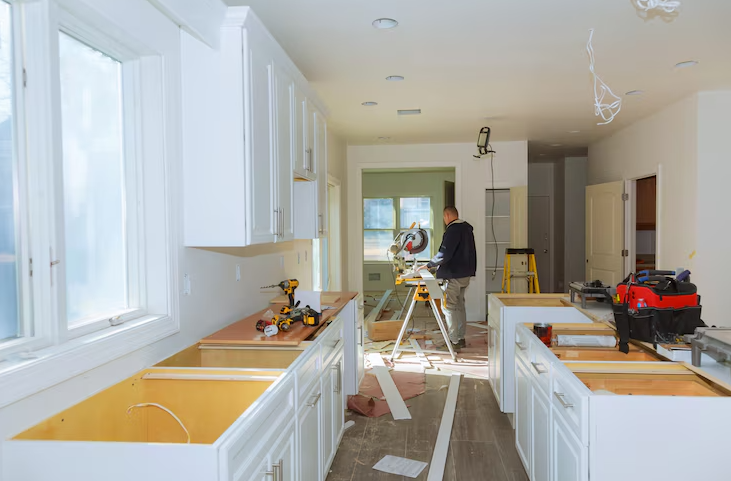
Several factors affect the market price of a house, such as the general condition and renovations you have done to your home. Local agents will also help you know how much price a potential buyer would like to offer you. Once you have an idea of the current worth of your house, you can easily fine-tune your budget for a new property. It is enjoined that you should get market valuation from at least three agents. This will help you avoid losses.
- Determine the cost
Do not forget the additional cost you are to bear. At the time of selling and purchasing a house, you will have to pay some bills. As a seller of a home, you will have to take into account the cost of estate agent fees, which are usually between 1% and 3% of the total market value of your house, and solicitor’s fees. However, as a buyer, you will have to pay stamp duty, solicitor fees, mortgage arrangement fees and a property survey.
The cost will be much higher if you are looking to purchase a property through auction. In that scenario, it might be challenging to sell your existing property. When your current property is taking longer to find a suitable buyer, you might have to take out a bridging loan.
Bridging loans are small loans that bridge the gap between funds unless your existing property is sold. The repayment length of these loans does not last more than a year. If you are unable to settle the whole debt in full by the end of the year, you will have to convert it into a mortgage.
It is generally asked “Can you get a bridging loan with bad credit?” The answer is yes. Your bad credit will not get in the way of applying for these loans, but you will be charged high interest rates. It is suggested that you carefully determine your repayment capacity at the time of using bridging loans.
- Take stock of your finances
Once you have got the market value of your house, you will know how much money you will be able to spend on your next home. Of course, your house must have built some equity. It would not be too difficult to purchase a bigger or better property. In addition, you would have some savings.
If you have a mortgage on your existing property, you can port it to another property. However, your lender will again check your credit score and repayment capacity to ensure that you can meet their criteria. If you need more money, you can borrow against the equity you have built. You do not need to remain with your existing lender, as you can refinance your mortgage with another lender.
You will pay off your existing mortgage in full; however, bear in mind that you will have to pay early repayment charges. Make sure that you get advice from an independent mortgage advisor.
- Start looking for a new property
Once your real estate agent starts the process of getting you a buyer, you should also begin hunting for a property you want to buy. First off, you should keep in mind what kind of property you are looking to buy. Whether you need a condominium, a flat or a cosy house, contact a real estate agent in a locality where you want to buy a home. They will introduce you to sellers who have put up their houses for sale.
- Agree on a sale
Your agent will likely line up a few potential buyers who would be willing to visit your house. Bear in mind that the right buyer is not the one who can afford the price you have quoted. You should rather see whether they are motivated or likely to stick with the transaction.
Do not forget that the buyer can back out even after submitting the token money. Make sure that this does not happen, as you will not be able to complete the transaction with your seller later. When your sale is underway, you can put in an offer on a new house.
- Get your offer accepted
Once you have found your new house, you can put in an appealing offer to your seller that they cannot refuse. If the offer has been accepted, you will put down some token money to enter into an agreement. The rest of the payment will, of course, be made when the sale of your existing house completes.
- Get into documentation
Now is the time to contact a solicitor. A lot of paperwork is to be done. No doubt, you will have to be a little bit patient. They are responsible for drafting contracts, carrying out local surveys, making mortgage arrangements and resolving issues if any. Perseverance is a must especially when buyers and sellers are linked together. It means buying and selling homes from one another.
- Set completion dates
Once all arrangements are done, you will have to sign the agreement, whether you are exchanging properties with a seller or not. Once the agreement is signed and registered, the property belongs to you.
The bottom line
Buying and selling property at the same time can be a bit complicated, but with a little patience, you can come through. Make sure that you arrange all documents, do the proper paperwork and consider your mortgage needs accurately.
If you have to take out a larger mortgage to invest in a new property, your credit rating should be in good condition. At the time of remortgaging, you should not have any outstanding direct lender bad credit loans with guaranteed approval.
Having outstanding debts on your credit report will reduce your chances of applying for a loan at lower interest rates.