Applying for a partner visa in Australia is a big step, but it can also be a complicated process. Whether you’re the applicant or the sponsor, understanding the partner visa requirements and the application steps is key to success. As a Melbourne-based immigration agent, I’ve worked with many couples through the partner visa process. In this blog, I’ll explain the steps involved in applying for a partner visa and how a Partner Visa Immigration Agent can help guide you through it.
Partner visas are for people who are in a genuine, ongoing relationship with an Australian citizen, permanent resident, or eligible New Zealand citizen. Whether you’re married or in a de facto relationship, the Australian government wants to make sure that your relationship is real and long-term before granting you the visa. There are many details to manage, from gathering documents to understanding eligibility criteria, and that’s where a visa consultation agent can be really helpful. In this post, we’ll break down the partner visa process into clear steps to give you a better idea of what to expect.
Step 1: Types of Partner Visas
In Australia, there are two main types of partner visas: the Temporary Partner Visa (subclass 820) and the Permanent Partner Visa (subclass 801).
- Temporary Partner Visa (subclass 820): This is the first stage of the partner visa application. If you apply for this visa, you’ll be allowed to stay in Australia while your permanent visa application is being processed.
- Permanent Partner Visa (subclass 801): This is the next step after the temporary visa. Once the Australian government is satisfied with your relationship, you’ll be granted permanent residency.
To be eligible for either visa, you need to be in a genuine relationship with an Australian citizen, permanent resident, or eligible New Zealand citizen. You can apply for a partner visa if you are married or if you’re in a de facto relationship (a relationship where you’ve been living together for at least 12 months).
Step 2: Check Your Eligibility
Before applying for a partner visa, it’s important to make sure you meet the eligibility requirements. Here are the main things you need to consider:
- Genuine Relationship: Your relationship must be real and ongoing. Whether you’re married or in a de facto relationship, you’ll need to prove that you’re committed to each other.
- Sponsor: Your partner must agree to sponsor your application. They’ll need to meet certain requirements and may have to provide evidence of their financial stability and character.
- Health and Character Requirements: Both you and your partner must meet health and character checks. This often involves undergoing a medical examination and providing police clearance certificates from any country where you’ve lived for 12 months or more in the past 10 years.
- Financial Requirements: Your sponsor may be asked to show proof of financial stability, though this depends on the type of visa you’re applying for.
If you’re unsure whether you meet these requirements, a Partner Visa Agent can help assess your situation and advise you on what to do next.
Step 3: Gather All the Documents
Once you’re sure you meet the eligibility criteria, the next step is gathering all the necessary documents. The more evidence you can provide, the stronger your application will be. Common documents you’ll need to include are:
- Personal ID: Passports, birth certificates, and marriage certificates (if you’re married).
- Relationship Evidence: Photos together, joint bank account statements, bills with both of your names on them, messages or emails that show your ongoing communication, and proof of living together (like a lease agreement or utility bills).
- Health and Police Checks: You and your partner will need to undergo medical checks and provide police clearance from any country where you’ve lived for a year or more in the last 10 years.
- Sponsor’s Documents: Your partner will need to fill out the sponsor application and meet certain character and financial criteria.
It’s easy to miss important documents, so it’s best to work with an immigration agent who can help you ensure that everything is in order.
Step 4: Submit Your Application
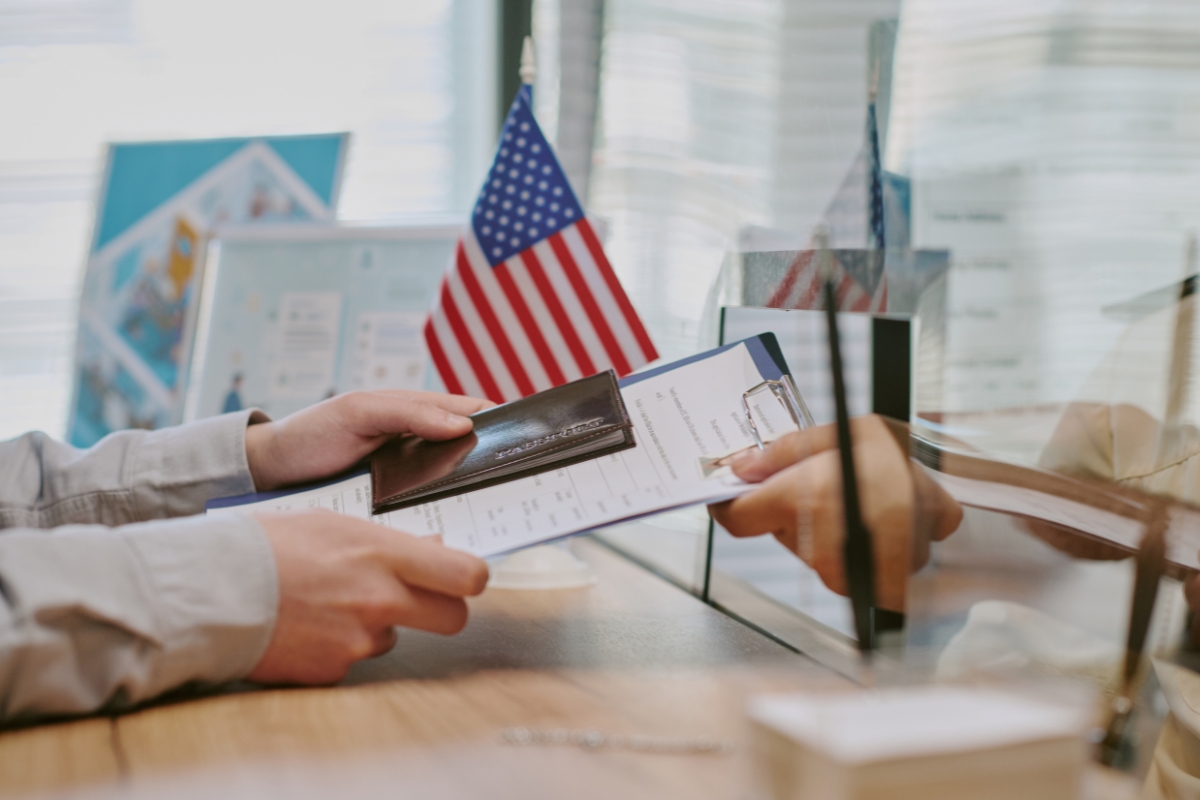
Once you have all the necessary documents, you can submit your application. This can be done online through the Australian Department of Home Affairs website or by post, depending on the type of visa you are applying for. It’s crucial to make sure your application is complete, as missing even a small piece of information can delay the process.
At this point, a partner visa agent can be invaluable. They can help you double-check everything before you submit your application and act as your main contact with the Department of Home Affairs while they process your application.
Step 5: Wait for Processing and Outcome
After your application is submitted, the Department of Home Affairs will start processing it. This can take anywhere from several months to over a year, depending on the complexity of your case and the workload of the immigration office.
During this time, you may be asked to provide additional documents or answer further questions. If you’ve applied for the temporary partner visa (subclass 820), you may be granted permission to live, work, and study in Australia while you wait for a decision on your permanent visa.
If your partner visa is granted, you’ll be able to live in Australia as a permanent resident. If your application is refused, you’ll be informed about the reasons for the refusal and may be given the chance to appeal the decision.
Step 6: After Your Visa is Granted
Once your partner visa is approved, you’ll be granted permanent residency and can live, work, and study in Australia without restrictions. You can also access government services, such as healthcare and social security benefits. In time, you may even be eligible to apply for Australian citizenship if you meet the requirements.
It’s important to maintain your relationship throughout the visa’s validity. If your relationship ends or if there’s a significant change in your circumstances, you should notify the Department of Home Affairs. If your relationship is found to no longer be genuine, your visa may be revoked.
Why You Should Work with an Immigration Agent
The partner visa process can be complex, and even small mistakes can lead to delays or refusals. A partner visa agent can help you:
- Make sure you meet all eligibility requirements.
- Gather the correct documents and evidence.
- Submit your application properly and follow up with the Department of Home Affairs.
- Handle any issues that come up during the process.
Working with a visa consultation agent will give you peace of mind and improve your chances of success.
Conclusion
Applying for a partner visa in Australia is a big decision, and it can feel like a lot to manage. But with the right support and guidance, you can navigate the process with confidence. By understanding the requirements, gathering the correct documents, and getting expert advice, you can significantly improve your chances of a successful application.
If you’re considering applying for a partner visa or need assistance with any part of the process, don’t hesitate to reach out. As a Melbourne-based immigration agent, I’m here to help you with everything from visa consultations to the full application process. Visit Immi Smart Immigration Services to find out more about how we can help you with your partner visa application. We’re here to make your visa journey more straightforward.