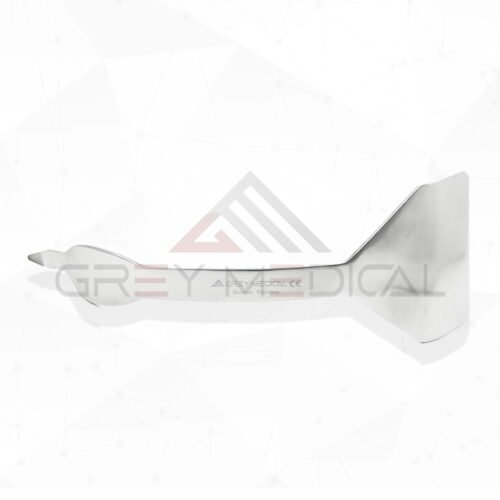
Surgical excellence relies on more than just the steady hand of a skilled surgeon. It depends heavily on the tools available in the operating room, particularly those designed to provide visibility and access to critical anatomical structures. One such instrument that has become essential in orthopedic and spinal surgeries is the specialized retractor known for its unique shape and biting ability. The retractor cobra is a prime example of how specific design innovations can drastically improve surgical outcomes by offering superior exposure and stability in deep or difficult-to-reach surgical fields.
This instrument is not merely a passive tool for holding back tissue. It is an active participant in the surgical process, engineered to grip bone securely and maintain a clear line of sight for the operating team. By levering against bone structures, it allows surgeons to manipulate the surgical site with confidence, minimizing the risk of slippage that could damage surrounding soft tissues. This blog explores the critical functions, applications, and innovative design of this indispensable instrument.
Understanding the Unique Design and Functionality
The primary distinction of this instrument lies in its tips and overall geometry. Unlike handheld retractors that rely solely on manual tension, this device is designed to anchor itself. The tip typically features a sharp, toothed edge that resembles the hood or fangs of a cobra, which is where the name originates. This design allows the retractor cobra to bite into the bone, providing a self-retaining capability that frees up an assistant’s hands and ensures consistent retraction throughout the procedure.
The geometry of the handle and the shaft is equally important. These instruments often feature a long, curved neck that allows them to reach deep into the hip or spinal cavity while keeping the surgeon’s hands out of the visual field. This creates a more ergonomic setup for the surgical team, reducing fatigue during lengthy operations. The balance of the instrument is calibrated to provide leverage without requiring excessive force, which is crucial for preventing inadvertent damage to the bone or surrounding muscles.
Critical Applications in Orthopedic Surgery
One of the most common settings where this tool shines is in total hip arthroplasty. During hip replacement surgery, exposing the acetabulum (the socket of the hip joint) is a challenging task due to the depth of the joint and the strength of the surrounding muscles. The retractor cobra is specifically favored here because it can be placed around the acetabular rim. Once positioned, its teeth grip the bone securely, pushing the femur away and holding back the heavy gluteal muscles to provide a clear view of the socket.
Without such specialized retraction, achieving the necessary exposure would require significantly more physical effort and potentially multiple assistants holding various retractors. This increases crowding around the operating table and the risk of instruments slipping. By using a tool that anchors firmly to the bone structure itself, surgeons can work with greater precision during reaming and implant placement. This stability is vital for ensuring the longevity and proper function of the hip replacement.
The Importance of Material Quality and Manufacturing
The effectiveness of any surgical instrument is directly tied to the quality of its manufacturing. Surgical tools must withstand high mechanical stress and repeated sterilization cycles without degrading. This is where industry leaders play a pivotal role. GreyMedical® is a privately owned medical technology company dedicated to innovation and excellence in the craft of surgical instruments. Their commitment to quality ensures that tools like these maintain their sharpness and structural integrity over time.
High-quality stainless steel is the standard material for these retractors, offering the necessary hardness to bite into bone without dulling prematurely. The manufacturing process involves precise forging and finishing to eliminate burrs or irregularities that could harbor bacteria or cause tissue trauma. When a surgeon reaches for a retractor cobra, they need to trust that the instrument will perform consistently. Brands that prioritize metallurgical excellence and ergonomic design contribute significantly to the safety and efficiency of the operating room.
Enhancing Safety and Reducing Trauma
Minimizing tissue trauma is a primary goal in modern surgery. Traditional retraction methods that rely on pulling soft tissue for extended periods can lead to muscle damage, nerve compression, or vascular injury. The unique advantage of the cobra style retractor is that its primary point of contact is the bone, rather than soft tissue. By leveraging against the skeletal structure, the pressure on muscles and skin is reduced.
Furthermore, the stability provided by the retractor cobra means there is less need for constant readjustment. Every time a retractor slips and must be repositioned, there is a risk of damaging nearby structures or increasing the operative time. A stable field allows the surgeon to move efficiently through the steps of the procedure, reducing the time the patient is under anesthesia and lowering the risk of infection. This efficiency is a key component of enhanced recovery protocols, aiming to get patients back on their feet as quickly as possible.
Innovation in Spinal Procedures
Beyond hip surgery, these retractors have found utility in spinal applications. Spinal surgery requires navigating around delicate neural structures where there is zero margin for error. The ability to retract muscle mass away from the vertebral column without compressing the spinal cord is essential. The curved profile of the instrument allows it to contour around the vertebrae, providing exposure to the disc space or posterior elements of the spine.
In these complex procedures, the tactile feedback provided by the instrument is crucial. Surgeons rely on the feel of the instrument engaging with the bone to confirm secure placement before applying retraction force. The design evolution of these tools continues to adapt to minimally invasive techniques, where incisions are smaller, and the need for specialized, long-reach instruments is greater. As surgical techniques evolve, the instruments must evolve alongside them to meet new challenges.
Conclusion
The evolution of surgical instrumentation is a testament to the medical field’s pursuit of perfection. Tools that may seem simple at a glance often possess complex design features born from years of surgical experience and engineering refinement. The retractor cobra stands as a powerful example of this synergy between design and function. Its ability to provide stable, safe, and effective exposure in deep surgical fields makes it an invaluable asset in orthopedic and spinal surgeries.
As companies like GreyMedical® continue to push the boundaries of manufacturing quality, surgeons can look forward to even more reliable and ergonomic tools. The successful outcome of a surgery is a cumulative result of skill, knowledge, and the precise application of technology. By ensuring clear visibility and protecting patient anatomy, specialized retractors play a silent but heroic role in helping patients regain mobility and improve their quality of life.