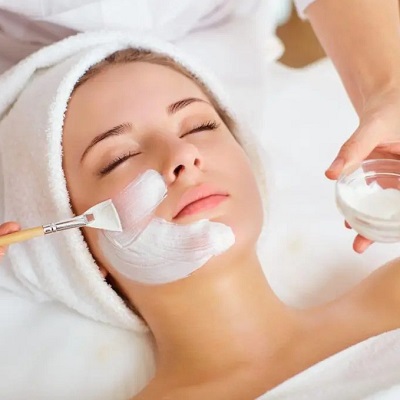
Chemical peels are one of the most effective dermatology treatments for smoother, brighter, and clearer skin. By gently removing damaged outer layers, peels help improve pigmentation, acne scars, fine lines, roughness, and sun damage — revealing fresh, healthy skin underneath.
But here’s something many people overlook:
Your results depend heavily on how well you prepare your skin before the treatment.
Proper preparation protects your skin barrier, reduces irritation, shortens recovery time, and helps the peel work more evenly and effectively. Whether you’re planning a professional treatment or exploring a chemical peel in Islamabad, this guide explains exactly how to get your skin ready.
Why Skin Preparation Matters Before a Chemical Peel:
A chemical peel uses controlled exfoliation to speed up skin renewal. If your skin is already irritated, sunburned, over-exfoliated, or dehydrated, the peel may:
-
sting more than usual
-
increase redness and sensitivity
-
cause uneven peeling
-
raise the risk of dark spots or scarring
Preparation helps:
stabilize the skin barrier
even out oil and moisture levels
prevent unnecessary inflammation
ensure smoother, uniform peeling
Think of it as training your skin before the main event.
Schedule a Consultation First:
Before booking your appointment, always meet with a qualified dermatologist or aesthetic practitioner. During consultation, they will:
-
assess your skin type and concerns
-
review your medical history
-
discuss medications you’re taking
-
recommend the right peel strength
-
explain realistic expectations and possible downtime
This step is especially important if you’re considering a chemical peel in Islamabad, where heat and sun exposure can influence the type and timing of your peel.
Avoid clinics that skip consultation or promise “instant results” without evaluating your skin.
2–4 Weeks Before: Start Gentle Skin Conditioning:
Most dermatologists recommend a short “pre-treatment plan” to condition the skin.
Use Gentle Cleansers:
Switch to a mild cleanser (no scrubs, beads, or harsh foams). This maintains moisture while minimizing irritation.
Introduce Brightening or Prep Products (Only if Advised):
Sometimes doctors prescribe products such as:
-
mild AHA or BHA exfoliants
-
pigment-control creams
-
hydrating serums
These help the peel penetrate evenly. Never start active ingredients on your own — always follow professional guidance.
Focus on Hydration:
A healthy barrier heals faster. Use:
-
lightweight moisturizer morning and night
-
hydrating toner or serum if needed
-
plenty of water daily
What to Stop Using Before a Chemical Peel:
To avoid complications, discontinue certain products and treatments in advance.
10–14 Days Before:
Avoid:
-
facial waxing or threading
-
bleaching creams
-
strong at-home exfoliators
-
microdermabrasion or facials
5–7 Days Before:
Stop using:
-
retinoids or tretinoin
-
high-strength vitamin C (if irritating)
-
AHAs/BHAs (glycolic, salicylic, lactic acids)
-
scrubs or exfoliating brushes
These thin the outer layer and may make your peel too strong.
If you’re unsure, ask your dermatologist — especially when evaluating chemical peel cost, since protecting your results prevents needing corrective treatments later.
Sun Protection: Non-Negotiable:
Sun exposure is the biggest risk factor for complications like dark spots after a peel.
At least 2 weeks before treatment:
-
apply SPF 50 daily
-
avoid tanning beds entirely
-
wear hats or scarves outdoors
-
minimize long periods in direct sunlight
If you arrive sunburned, your peel may need to be postponed — for safety.
Medications and Health Considerations:
Always inform your doctor if you:
-
are pregnant or breastfeeding
-
have cold sores or herpes outbreaks
-
recently used isotretinoin (Accutane)
-
have autoimmune or skin disorders
-
take blood-thinning medications
You may be prescribed antiviral medication if you’re prone to cold sores, since peels can trigger flare-ups.
Honest disclosure protects your skin.
The Night Before Your Peel:
Keep things simple.
-
Wash with a gentle cleanser
-
Skip exfoliants and active serums
-
Avoid heavy makeup, oils, or self-tanners
-
Get good sleep and drink water
Calm, rested skin peels more evenly.
What Happens on the Day of the Peel?
At the clinic, your specialist will:
-
cleanse your face thoroughly
-
protect sensitive areas (eyes, corners of lips, nostrils)
-
apply the peel solution
-
neutralize it when the time is right
-
apply soothing and hydrating products
You may feel tingling or warmth — this is normal and temporary.
A reputable clinic — such as royal cosmetic surgery — ensures the treatment is monitored carefully and personalized to your skin type.
Aftercare Begins Immediately:
Preparation doesn’t end when the peel starts — it continues afterward.
General tips include:
-
do not pick or peel the flaking skin
-
use only doctor-approved moisturizer
-
apply sunscreen religiously
-
avoid saunas, steam rooms, and gyms for a few days
-
skip makeup for 24–48 hours unless instructed otherwise
Healing usually takes between 3–10 days depending on the strength of the peel.
Understanding Chemical Peel Cost:
When planning treatment, many people ask about chemical peel cost. Prices vary depending on:
-
peel type and depth
-
number of sessions
-
clinic expertise
-
aftercare products included
Remember: the goal is safe, natural-looking improvement — not risking complications with the cheapest option. A skilled professional prevents damage and ensures better, longer-lasting results.
Final Thoughts:
Preparing your skin correctly is one of the most important steps for a successful chemical peel. With proper consultation, gentle pre-treating products, sun protection, and careful aftercare, you can enjoy smoother, brighter, healthier-looking skin with minimal downtime.