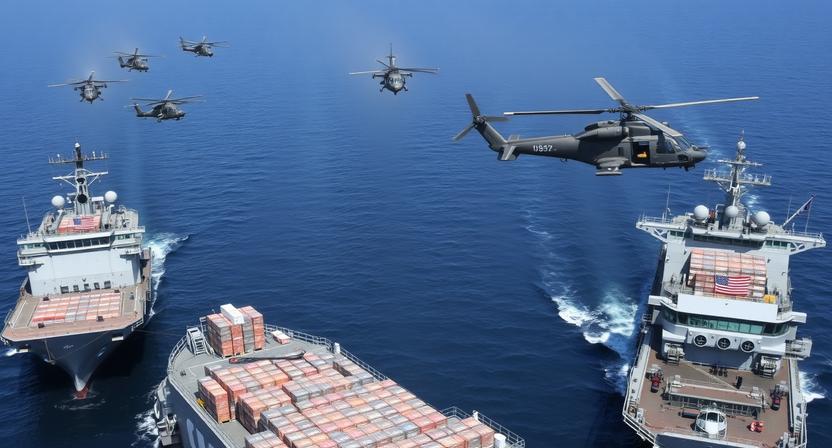
The Royal Navy, a cornerstone of the United Kingdom’s defense strategy, is undergoing significant modernization to address evolving threats, maintain maritime supremacy, and support global operations. The Royal Navy modernization plans focus on fleet renewal, technology integration, strategic deployments, and international cooperation. These initiatives aim to enhance operational capability, resilience, and deterrence in an increasingly complex geopolitical environment. This 1200-word analysis explores the Royal Navy’s modernization objectives, technological advancements, strategic priorities, and its role in global maritime security.
I. Historical Context and Strategic Importance
The Royal Navy has a legacy spanning centuries, historically ensuring Britain’s control over sea lanes, global trade, and military influence. Its modernization today reflects:
-
Strategic shifts in global power dynamics
-
Emerging threats from peer competitors
-
Rapid technological evolution in naval warfare
-
The need for interoperability with NATO and allied forces
Modernization ensures the Royal Navy remains a credible force in defense, deterrence, and crisis response.
II. Key Objectives of Modernization
The Royal Navy’s modernization initiatives focus on several objectives:
-
Fleet Renewal: Replace aging ships and submarines with advanced vessels.
-
Technological Superiority: Integrate AI, cyber defense, unmanned systems, and advanced sensors.
-
Operational Flexibility: Enhance rapid deployment and multi-theater response capabilities.
-
Sustainability: Improve energy efficiency, logistics, and maintenance practices.
-
Allied Interoperability: Strengthen joint operations with NATO and coalition partners.
These objectives ensure the Navy can meet both current and future operational requirements.
III. Fleet Modernization
Modernization efforts include the acquisition and upgrade of vessels across multiple classes:
-
Aircraft Carriers: HMS Queen Elizabeth and HMS Prince of Wales provide air power projection with integrated strike capabilities.
-
Destroyers and Frigates: Type 45 destroyers and Type 26 frigates are equipped with advanced missile systems and anti-submarine capabilities.
-
Submarines: Vanguard-class nuclear deterrent submarines and Astute-class attack submarines provide strategic and tactical advantage.
-
Amphibious and Support Vessels: Enhanced amphibious ships improve expeditionary operations, troop transport, and humanitarian assistance.
The Royal Navy emphasizes versatility and survivability in its fleet design.
IV. Integration of Advanced Technology
Technology drives the Royal Navy’s modernization:
-
Artificial Intelligence: Supports predictive maintenance, threat detection, and operational planning.
-
Cyber Defense: Protects networks, sensors, and weapon systems from digital threats.
-
Autonomous Systems: Drones, unmanned surface vessels, and robotic submarines extend operational reach.
-
Directed-Energy Weapons: Countering missiles and drones in high-intensity environments.
-
Space-Based ISR: Satellite networks enhance situational awareness and targeting precision.
Technology integration enhances decision-making speed, accuracy, and operational effectiveness.
V. Strategic Deployment and Global Reach
The Royal Navy’s modernization supports a global presence:
-
North Atlantic and Arctic: Ensuring control of strategic sea lanes and resource-rich areas.
-
Indo-Pacific: Participating in joint exercises and strategic deterrence operations.
-
Mediterranean and Middle East: Supporting NATO missions and coalition operations.
-
Crisis Response: Providing humanitarian assistance, disaster relief, and evacuation capabilities worldwide.
Global deployment ensures the Royal Navy remains relevant in the face of emerging challenges.
VI. Training and Human Capital
Modernization emphasizes the importance of personnel:
-
Advanced Training: Focused on cyber operations, unmanned systems, and multi-domain warfare.
-
Leadership Development: Preparing officers for complex global missions and joint-force operations.
-
Retention Programs: Ensuring experienced sailors and officers remain engaged and skilled.
-
Morale and Welfare: Enhancing living conditions, mental health support, and career development.
Human capital complements technology, ensuring operational efficiency and resilience.
VII. Alliances and Multinational Cooperation
The Royal Navy’s modernization supports stronger international collaboration:
-
NATO Integration: Standardized operations, interoperability, and shared intelligence.
-
AUKUS Partnership: Joint development of advanced technologies, including nuclear-powered submarines.
-
Bilateral Exercises: Partnering with the U.S., France, Japan, and other allies for strategic operations.
-
Global Security Contribution: Enhancing maritime stability, deterrence, and crisis response capabilities.
Collaboration amplifies the effectiveness of modernization initiatives and strengthens deterrence.
VIII. Sustainability and Logistics
Modernization also targets sustainability:
-
Energy Efficiency: Hybrid propulsion systems and reduced fuel consumption.
-
Maintenance Optimization: Predictive maintenance reduces downtime and operational costs.
-
Supply Chain Resilience: Ensures critical parts and provisions are available for global deployments.
-
Environmental Responsibility: Minimizing ecological impact while maintaining operational readiness.
Sustainability ensures the Royal Navy can maintain global operations over the long term.
IX. Challenges and Threats
Modernization faces multiple challenges:
-
Budget Constraints: High costs of new ships, systems, and technology integration.
-
Geopolitical Uncertainty: Rising threats in the Indo-Pacific, Arctic, and Middle East.
-
Technological Complexity: Integrating AI, cyber, and autonomous systems without operational disruption.
-
Personnel Training: Ensuring sailors are adequately trained for high-tech environments.
Addressing these challenges is essential for successful modernization.
X. Conclusion
The Royal Navy modernization plans reflect a comprehensive effort to maintain maritime dominance, support global security, and adapt to evolving threats. By combining advanced technology, fleet renewal, strategic deployment, international cooperation, and investment in personnel, the Royal Navy positions itself as a credible, versatile, and forward-looking force. These efforts ensure that Britain continues to project power, protect interests, and contribute meaningfully to global maritime stability in the 21st century.
Frequently Asked Questions (FAQ)
Q1: What are the main goals of Royal Navy modernization?
A: Fleet renewal, technology integration, operational flexibility, sustainability, and alliance interoperability.
Q2: Which ships are central to modernization?
A: Aircraft carriers (HMS Queen Elizabeth, HMS Prince of Wales), Type 26 frigates, Type 45 destroyers, and Astute-class submarines.
Q3: How does technology impact the Navy?
A: AI, cyber defense, autonomous systems, directed-energy weapons, and space-based ISR enhance operational capabilities.
Q4: Why is global deployment important?
A: Ensures strategic presence, supports alliances, and responds to crises worldwide.
Q5: What role do alliances play?
A: NATO, AUKUS, and bilateral partnerships improve interoperability, deterrence, and joint operational effectiveness.