
In the intricate world of surgery, precision and reliability are not just ideals; they are absolute necessities. Every movement matters, and the tools a surgeon uses are direct extensions of their skill and expertise. Among the vast array of surgical tools developed over the last century, few carry the weight, respect, and history of the DeBakey surgical instrument. This family of instruments, born from the mind of a surgical pioneer, transformed cardiovascular procedures and continues to be a staple in operating rooms worldwide.
The story of these instruments is intertwined with the story of modern medicine itself. GreyMedical®, a company committed to advancing surgical care through innovation and excellence, recognizes the profound impact of this legacy. By understanding the design philosophy and application of these essential tools, we can better appreciate the craftsmanship required to produce high-quality surgical equipment. This post explores the history, design, and critical role of these instruments in modern surgery.
Who Was Dr. Michael E. DeBakey?
To understand the instruments, one must first understand the man. Dr. Michael E. DeBakey was a world-renowned American cardiovascular surgeon, innovator, and medical educator. His career spanned over seven decades, during which he pioneered countless procedures and inventions that are now standard practice. He performed some of the first coronary artery bypass surgeries, carotid endarterectomies, and developed the M.A.S.H. (Mobile Army Surgical Hospital) units.
Dr. DeBakey’s genius was not limited to surgical techniques. He possessed a deep understanding of the practical challenges faced in the operating room. He realized that existing instruments were often inadequate for the delicate and precise work required in vascular surgery. This frustration fueled his inventive spirit, leading him to design and modify a range of tools specifically for handling fragile blood vessels and tissues, forever changing the landscape of surgical care.
The Hallmarks of DeBakey Design
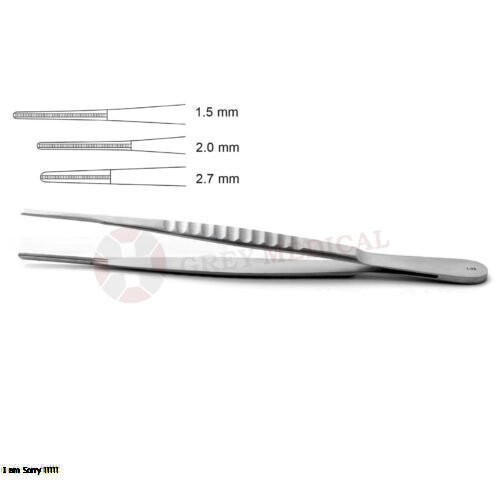
What makes a DeBakey surgical instrument so distinct? The design genius lies in its atraumatic properties. Dr. DeBakey developed a unique cross-hatch serration pattern for the jaws of his forceps and clamps. This design allowed for a firm, secure grip on delicate tissues like blood vessels without crushing or damaging them—a common and dangerous problem with earlier instruments.
This innovation was revolutionary. The fine, parallel serrations distributed pressure evenly, preventing trauma and ensuring blood flow could be safely occluded or tissues gently manipulated. The most famous example is the DeBakey forceps, instantly recognizable by its slender profile and distinctive ribbed handle, which provides surgeons with superior tactile feedback and control. Whether it’s a tissue forceps, a vascular clamp, or a needle holder, the core principle remains the same: maximum grip with minimum tissue damage.
The Versatility of the DeBakey Family
The name “DeBakey” does not refer to a single instrument but to a comprehensive suite of tools designed for various surgical needs, primarily within cardiothoracic and vascular specialties. While the atraumatic tissue forceps are the most widely known, the family includes a broad spectrum of clamps, scissors, and needle holders, each meticulously engineered for a specific purpose.
For instance, DeBakey aortic clamps are designed to occlude the aorta safely during complex cardiac procedures, featuring the same atraumatic jaw design to protect the arterial wall. Bulldog clamps offer temporary vessel occlusion in peripheral vascular surgery, while DeBakey needle holders provide a secure grip on fine sutures. This versatility ensures that surgeons have the right tool for every delicate step of a procedure, from initial dissection to final closure. It is this comprehensive approach that solidifies the instrument family’s place in surgical history.
The Role of Modern Manufacturing
The enduring relevance of the DeBakey surgical instrument is a testament to both its brilliant design and the advancements in modern manufacturing. Companies like GreyMedical® are dedicated to upholding the high standards set by Dr. DeBakey. Crafting these instruments requires an unwavering commitment to quality, utilizing high-grade stainless steel that resists corrosion and withstands repeated sterilization cycles without compromising integrity.
The manufacturing process is a blend of advanced technology and skilled craftsmanship. Precision engineering ensures that the fine serrations are perfectly formed and aligned. Each instrument is then hand-finished and inspected to guarantee it meets exacting specifications for balance, tension, and feel. This meticulous attention to detail ensures that every DeBakey surgical instrument placed in a surgeon’s hand performs exactly as intended, providing the reliability needed in high-stakes environments.
Conclusion
The legacy of Dr. Michael E. DeBakey extends far beyond the procedures he pioneered. It lives on in the very tools that allow surgeons to perform modern medical miracles. The DeBakey surgical instrument is more than just a piece of steel; it is a symbol of innovation, precision, and an unyielding dedication to patient care. Its intelligent, atraumatic design transformed cardiovascular surgery and set a new standard for instrument craftsmanship. As technology and surgical techniques continue to evolve, the foundational principles embodied by these iconic tools will undoubtedly continue to influence the development of the next generation of surgical instruments, ensuring Dr. DeBakey’s impact is felt for decades to come.