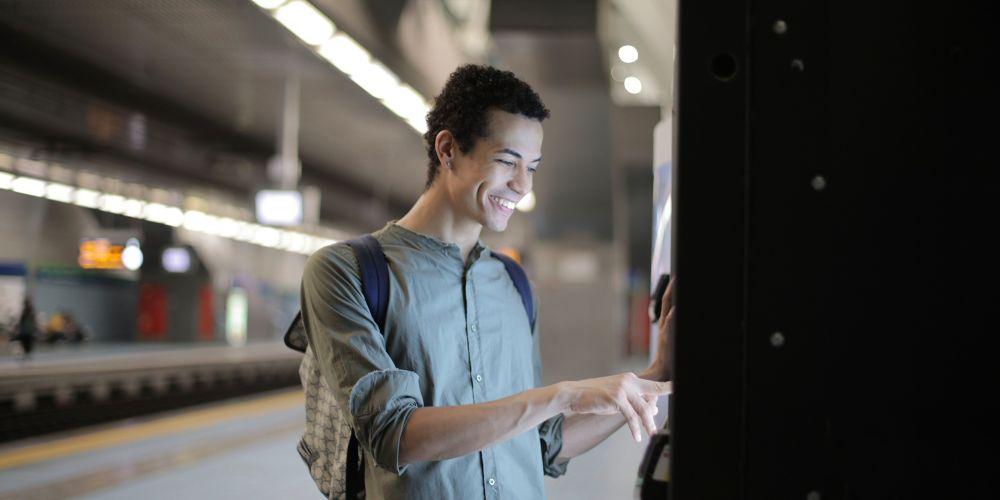
Vending machines have come a long way from the simple, coin-operated devices that offered snacks and drinks. Today, these machines are smart, connected devices capable of accepting multiple forms of payment, including credit and debit cards, mobile wallets, and contactless payments. The shift toward cashless transactions has made vending machines more convenient for consumers and more efficient for operators, but it has also introduced new security challenges. Protecting payment data is critical, and modern vending credit card readers now come equipped with advanced security features to ensure safe transactions.
The move to cashless payments in vending machines is not just about convenience; it’s also about adapting to the modern consumer. People today expect to pay with their cards or smartphones anywhere, anytime, including at unattended machines. At the same time, credit card fraud and data breaches remain a real threat, making it essential that these machines are equipped to handle sensitive information securely. As a result, vending machine manufacturers have invested heavily in developing secure, reliable, and user-friendly payment systems that protect both the customer and the operator.
Encryption: Protecting Data During Transactions
One of the most important security measures in modern vending credit card readers is encryption. When a customer uses a card, the reader encrypts the card’s data before sending it to the payment processor. Encryption turns the card information into unreadable code, so even if someone intercepts it, the data cannot be misused. Many systems use end-to-end encryption, which means the data is protected from the moment it enters the reader until it reaches the payment network. This makes it extremely difficult for fraudsters to access sensitive information.
Tokenization: Adding an Extra Layer of Security
Tokenization is another key security feature used in vending credit card readers. Instead of transmitting the actual card number, the system generates a unique token for each transaction. This token can be used to process the payment without ever exposing the real card details. Even if someone intercepts the token, it cannot be used for any other transaction. Tokenization has become standard in the payment industry and is especially valuable for unattended environments like vending machines, where physical security is harder to maintain.
PCI Compliance and Tamper-Resistant Hardware
Modern vending credit card readers are also designed to meet the Payment Card Industry Data Security Standard (PCI DSS). This standard ensures that devices handling credit card information meet strict security requirements, including secure storage, encryption, and regular testing. Many machines also include tamper-resistant features. For example, sensors can detect if someone tries to open the reader or tamper with its components, automatically disabling the device or sending an alert to the operator. These features help prevent skimming attacks and unauthorized access to sensitive data.
Contactless and Mobile Payments
Contactless payment technologies like NFC (Near Field Communication) have added another layer of security to vending machines. Customers can tap their credit cards, smartphones, or wearable devices to make a purchase. These transactions use unique, one-time codes, making it nearly impossible for fraudsters to reuse captured data. Mobile wallets often include biometric authentication, such as fingerprint or facial recognition, providing an additional layer of protection. This combination of contactless and biometric security not only makes payments safer but also speeds up the transaction process and reduces the risk of tampering.
For operators looking to upgrade, a reliable vending credit card reader can provide all these features in a single, easy-to-install device. These readers allow machines to accept multiple payment types, securely store transaction data, and communicate with remote management systems for real-time monitoring.
Secure Networks and Remote Monitoring
Modern vending machines are often connected to centralized management systems. These networks use secure protocols to protect data as it travels between the machine and the payment processor. Real-time monitoring allows operators to detect unusual activity, such as repeated failed payment attempts or unusual transaction patterns, which could indicate fraud. Operators can then take action immediately, minimizing losses and maintaining customer trust.
Firmware and Software Security
Firmware and software security are essential for protecting vending credit card readers from cyber threats. Manufacturers regularly release updates to patch vulnerabilities and improve security. Remote update capabilities ensure that devices can be kept up to date without physical intervention. Additionally, secure boot processes and cryptographic verification prevent unauthorized software from running on the machine, ensuring that only trusted firmware is used.
Access Control for Operators
Security isn’t only about protecting customer data; it’s also about controlling access to the machine. Operators and service personnel usually need secure authentication to perform maintenance, configuration changes, or financial settlements. Multi-factor authentication adds another layer of protection, reducing the risk of insider threats or unauthorized access.
Cloud-Based Management and Analytics
Many modern vending machines are linked to cloud-based management platforms. These platforms provide operators with tools to monitor machine performance, track inventory, and analyze sales data securely. Cloud systems often include strong security features such as firewalls, intrusion detection, and continuous monitoring. When combined with secure credit card readers, cloud integration helps operators manage machines efficiently while keeping both customer and operational data safe.
Ongoing Challenges and the Importance of Security
Even with advanced security measures, challenges remain. Vending machines are often placed in public areas and operate without supervision, making them vulnerable to theft, vandalism, or sophisticated skimming attacks. Security for vending credit card readers must be ongoing, with regular updates, monitoring, and adherence to best practices to address evolving threats. Operators must remain vigilant and proactive to ensure safe transactions at all times.
Conclusion
The security features of modern vending credit card readers are essential for creating a safe, convenient, and reliable payment experience. From encryption and tokenization to tamper-resistant hardware, contactless payments, secure networks, and cloud management, these devices protect both consumers and operators from potential fraud. By integrating these technologies into vending machines, operators can offer a seamless cashless experience while maintaining trust and safeguarding sensitive data. Modern vending credit card readers are a perfect example of how convenience and security can go hand in hand in today’s digital world.