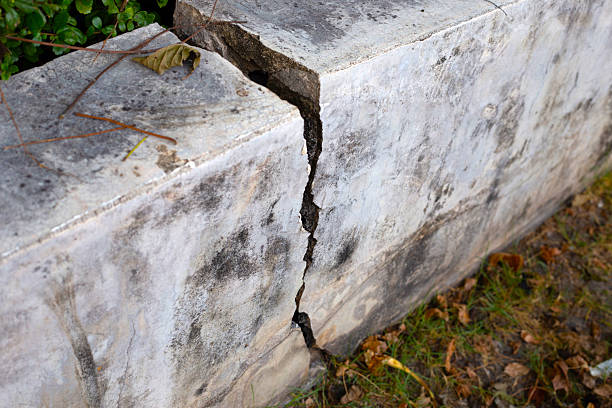
Cracks in a concrete retaining wall are more than just a cosmetic problem. They can lead to serious damage over time if ignored. Many homeowners and property managers notice cracks and wonder what’s the safest and most effective way to fix them. Whether your wall protects a garden, a parking area, or supports a commercial property, repairing those cracks the right way can prevent expensive replacements later. This guide will help you understand how to handle retaining wall repair properly and keep your structure strong for years.
Why Do Concrete Retaining Walls Crack?
Before starting any repairs, it’s important to understand why cracks form. Concrete is strong but not flexible, so over time, different factors can create stress that leads to cracking.
Here are the most common reasons:
Soil movement and pressure
When soil behind the wall expands, settles, or freezes, it pushes against the concrete. This constant pressure can cause visible cracks.
Poor drainage
If water is not draining properly from behind the wall, it adds extra weight and pressure. This can lead to cracks, bulging, or even leaning.
Weak construction or old materials
A wall built with low-quality materials, poor reinforcement, or without enough joints may not handle soil pressure well.
Weather changes
In areas with cold winters, water inside small cracks freezes and expands, making the damage worse with each cycle.
Knowing what caused the crack is the first step toward choosing the right retaining wall repair method.
How to Inspect the Damage
Take a close look at your wall before doing any repairs. A proper inspection helps you decide if it’s a small DIY job or if you need professional help from retaining wall repair contractors.
Here’s what to check:
- Width and direction of the crack – Is it thin or wide, vertical or diagonal? Wide or jagged cracks can be signs of deeper issues.
- Depth of the crack – Shallow cracks are usually surface-level, while deep ones may go through the structure.
- Moisture – Look for water stains, damp patches, or leaks coming through the crack.
- Wall movement – If the wall is leaning forward or bulging outward, it could mean soil pressure is too high.
- Drainage – Check for blocked pipes or lack of weep holes that allow water to escape.
If the wall looks stable and cracks are narrow, you may be able to fix it yourself. But if you see leaning, wide cracks, or water leaks, it’s safer to hire retaining wall contractors who can inspect it thoroughly.
Repair Options for Cracked Retaining Walls
The repair method depends on how serious the crack is. Some cracks only need sealing, while others might need reinforcement or rebuilding.
Fixing Minor Cracks with Epoxy or Polyurethane Injection
For small or medium cracks, injecting epoxy or polyurethane is one of the most reliable fixes.
Epoxy Injection
Epoxy is a strong bonding agent that glues the two sides of the crack together. It restores the wall’s strength and prevents further damage.
Polyurethane Injection
Polyurethane is flexible and waterproof. It’s a better choice when the wall might move slightly or if water is leaking through the cracks.
How it’s done:
- Clean the crack using a wire brush or grinder to remove loose debris.
- Attach small ports along the crack and seal the surface between them.
- Inject epoxy or polyurethane into the lowest port and move upward.
- Allow it to cure completely, usually for a day or more.
This method seals the crack from the inside and prevents water from getting in. It’s a good choice for small to medium cracks where the wall is otherwise in good shape.
Strengthening the Wall for Serious Damage
When cracks are wide, the wall is leaning, or soil pressure is causing structural movement, a simple injection won’t be enough. These situations need a stronger solution.
Steel straps or tiebacks
These are metal supports that anchor the wall to the ground behind it. They help resist pressure from the soil and keep the wall stable.
Partial rebuilding
If sections of the wall are crumbling or separating, those parts may need to be rebuilt. Replacing damaged blocks or sections restores the wall’s structure.
Drainage improvement
Adding gravel, perforated pipes, and weep holes behind the wall allows water to escape and reduces future cracking.
In these cases, you’ll definitely want professional retaining wall repair contractors to handle the work. They’ll have the tools and knowledge to make the wall safe again.
Combining Repair with Prevention
The best way to make sure your retaining wall lasts is to fix the damage and also prevent future problems. Here’s what that means:
Seal and bond the cracks with epoxy or polyurethane.
Improve drainage behind the wall with gravel and drainpipes.
Reinforce the wall with steel straps or tiebacks if it shows movement.
Re-compact the soil to remove air pockets and support the base.
Schedule regular inspections at least once a year to catch early signs of wear.
Taking these steps together helps extend the life of your wall and prevents repeated repairs.
DIY or Professional Help — What’s Right for You?
Some small repairs can be done without professional help, especially if the wall is short and the crack is minor. However, not all situations are safe to handle alone.
You should call retaining wall contractors or retaining wall repair contractors if:
- The wall is leaning or bulging outward
- Cracks keep getting wider
- You see water leaking through the cracks
- The wall supports a driveway, parking area, or heavy slope
- You want a long-lasting solution rather than a quick patch
Professionals can diagnose the real cause of the cracks, use the right materials, and make sure the repair lasts for many years.
Tools and Materials Often Used in Retaining Wall Repair
Whether you do it yourself or hire a contractor, it’s good to know what materials are typically used:
- Epoxy or polyurethane crack injection kits
- Wire brush or grinder for cleaning the surface
- Injection ports and a caulking gun
- Steel straps and anchor bolts for structural repairs
- Gravel and fabric for drainage improvement
- Concrete patching compounds for surface repair
Using the right materials helps the wall stay strong and prevents future issues.
Common Mistakes to Avoid During Repair
Even small errors can lead to future damage. Try to avoid these:
- Not cleaning the crack properly before applying sealant
- Choosing the wrong product for your wall’s condition
- Ignoring water drainage issues that caused the cracks
- Skipping inspection after the repair is done
A clean, dry surface and the right sealing product make a huge difference in how long your retaining wall repair lasts.
When It’s Time to Replace Instead of Repair
Sometimes, a wall is too damaged to fix. If it’s badly cracked, leaning heavily, or made from poor materials, replacement may be the better long-term choice.
If the wall has already been repaired several times or shows structural failure, rebuilding it with modern materials and proper drainage might actually save you more money in the long run. A professional retaining wall contractor can help you decide if it’s time for replacement.
How to Find the Right Retaining Wall Professionals
When looking for retaining wall repair contractors, ask these important questions:
- Do you specialize in concrete retaining wall repair?
- Will you inspect soil and drainage before starting the job?
- Do you offer reinforcement or rebuilding if needed?
- What materials will you use for sealing and strengthening the wall?
Working with the right expert ensures that your investment is protected and that the repair won’t fail again soon.
Conclusion
Are you wondering if those cracks in your retaining wall will get worse over time? The truth is, they usually do unless you take action soon. Repairing cracks early keeps your wall strong and prevents bigger structural problems later.
If you want dependable help, Diamond Touch Masonry is a trusted name in retaining wall installation and repair services. Their team provides reliable and affordable solutions that ensure long-term stability for both residential and commercial properties.
Frequently Asked Questions
Q: Can I fix a retaining wall crack myself?
Yes, if it’s a small, surface-level crack. You can use an epoxy or polyurethane repair kit. But if the crack is wide or the wall is leaning, call professionals for a full inspection.
Q: What’s the difference between epoxy and polyurethane repair?
Epoxy makes the wall strong again and is used when the wall doesn’t move. Polyurethane is flexible and better for areas with moisture or minor movement.
Q: Will sealing cracks stop leaks completely?
It helps a lot, but leaks can return if drainage behind the wall isn’t fixed. Always make sure water can flow out properly.
Q: How often should I check my retaining wall after repair?
Inspect it once or twice a year, especially after heavy rain or freezing weather, to make sure no new cracks appear.
Q: Should I always hire retaining wall repair contractors?
If your wall supports heavy soil or structures, yes. Professionals know how to assess soil pressure, fix drainage, and apply the right repair method.