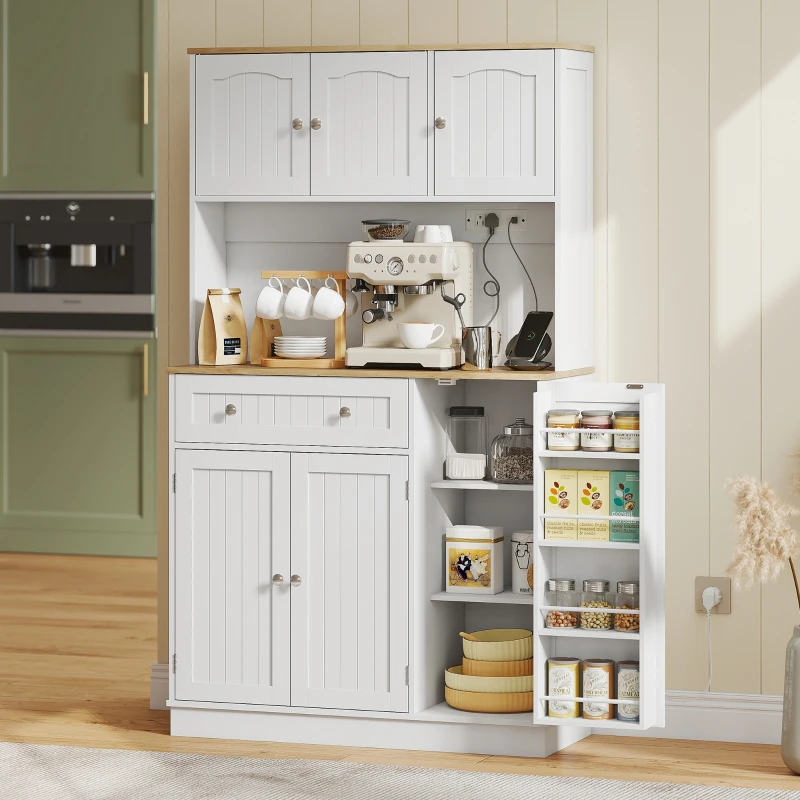
A kitchen storage cabinet works best when it fits naturally into your daily routine. The right placement can make cooking smoother, clean-up quicker, and everyday items easier to reach without disrupting how the kitchen flows. Rather than focusing only on style or size, it helps to think about how you move, cook, and store things throughout the day.
Start With Your Daily Kitchen Habits
Before deciding on a spot, consider how your kitchen is actually used.
- Where do you prepare most meals?
- Which items do you reach for every day?
- Do multiple people use the kitchen at once?
A storage cabinet should reduce extra steps, not add them. The closer it is to the areas you already use, the more helpful it becomes.
Near the Main Prep Area
Placing a kitchen storage cabinet close to your main prep zone is one of the most practical choices.
Best for storing:
- Dry food staples
- Mixing bowls and prep tools
- Small appliances used regularly
When the cabinet is near the counter where you chop and prep, everything stays within arm’s reach. This setup keeps counters clearer and makes cooking feel more organised.
Tip: Leave enough clearance so cabinet doors open fully without blocking walkways.
Beside the Refrigerator
The space next to the fridge is often overlooked but works extremely well for storage.
Why this placement works:
- Easy access while unloading groceries
- Logical spot for pantry items
- Keeps food storage in one zone
A tall kitchen storage cabinet beside the fridge can act like an extension of it, making meal planning and grocery organisation more efficient.
Along an Empty Wall
If your kitchen has a blank wall, it’s an ideal location for a freestanding storage cabinet.
This works well when:
- Built-in cabinetry is limited
- You want added storage without renovations
- The kitchen layout feels unbalanced
A cabinet on an unused wall adds function without crowding the main work areas. This placement is especially helpful in open-concept homes where storage needs to blend in visually.
Near the Dining or Breakfast Area
For kitchens connected to a dining space, placing a storage cabinet nearby can be very convenient.
Great for storing:
- Dinnerware and serving dishes
- Table linens and placemats
- Extra glassware
This reduces back-and-forth trips during meals and makes hosting feel more relaxed. It also keeps frequently used table items out of cooking zones.
In Small Kitchens: Think Vertical, Not Wide
In compact kitchens, placement matters even more.
Smart strategies include:
- Tall, narrow cabinets instead of wide ones
- Positioning cabinets in corners
- Using vertical height without blocking light
Avoid placing cabinets where they interfere with appliance doors or tight walkways. In smaller layouts, even a few extra inches of clearance can make a big difference.
Away From High-Traffic Paths
A kitchen storage cabinet should never interrupt movement.
Avoid placing cabinets:
- Behind frequently opened doors
- In narrow walkways
- Where multiple doors collide
If people often brush past a cabinet, it quickly becomes frustrating rather than helpful. Smooth flow should always come first.
Consider Natural Light and Visual Balance
Where a cabinet sits also affects how open the kitchen feels.
- Avoid blocking windows or natural light
- Balance tall cabinets with surrounding elements
- Keep sightlines clear where possible
A well-placed cabinet should feel like part of the kitchen, not an obstacle added later.
Accessibility Matters for Everyday Use
Think about who uses the kitchen daily.
- Frequently used items should sit between waist and shoulder height
- Heavier items should be stored lower
- Less-used items can go higher or deeper inside
Placing the cabinet where it’s easy to reach without bending or stretching makes everyday cooking more comfortable.
Test the Spot Before Committing
If possible, mark out the cabinet’s footprint before placing it permanently.
- Use painter’s tape to outline the size
- Open nearby doors and drawers
- Walk through the space during normal routines
This simple test helps catch layout issues before they become daily annoyances.
The best place for a kitchen storage cabinet is the spot that supports how you live, cook, and move through your space. Whether it’s near the prep area, beside the fridge, or along an unused wall, thoughtful placement turns extra storage into everyday convenience.
When chosen and positioned well, a kitchen storage cabinet doesn’t just hold items, it quietly improves how the entire kitchen works, day after day.
FAQs
1. Where should I place a kitchen storage cabinet if my kitchen has uneven floors?
If your kitchen floor is uneven, place the storage cabinet against a solid wall where leveling is easiest. Choose a cabinet with adjustable feet or add discreet shims to keep it stable. Avoid placing it near appliances that vibrate, such as dishwashers, as movement can cause doors to shift over time.
2. Can a kitchen storage cabinet be placed near a heat source like an oven or radiator?
It’s best to keep a kitchen storage cabinet at least a small distance away from heat sources. Continuous heat can affect cabinet finishes, cause doors to warp, and reduce the lifespan of stored food items. If space is limited, use a heat-resistant gap or choose a cabinet designed for higher-temperature zones.
3. How do I place a kitchen storage cabinet without making the kitchen feel crowded?
To avoid a crowded look, place the cabinet where it visually aligns with existing cabinetry or appliances. Choose lighter finishes and keep the cabinet flush with nearby units rather than letting it protrude. Maintaining clear space above or beside the cabinet helps preserve an open, balanced feel even in tighter kitchens.