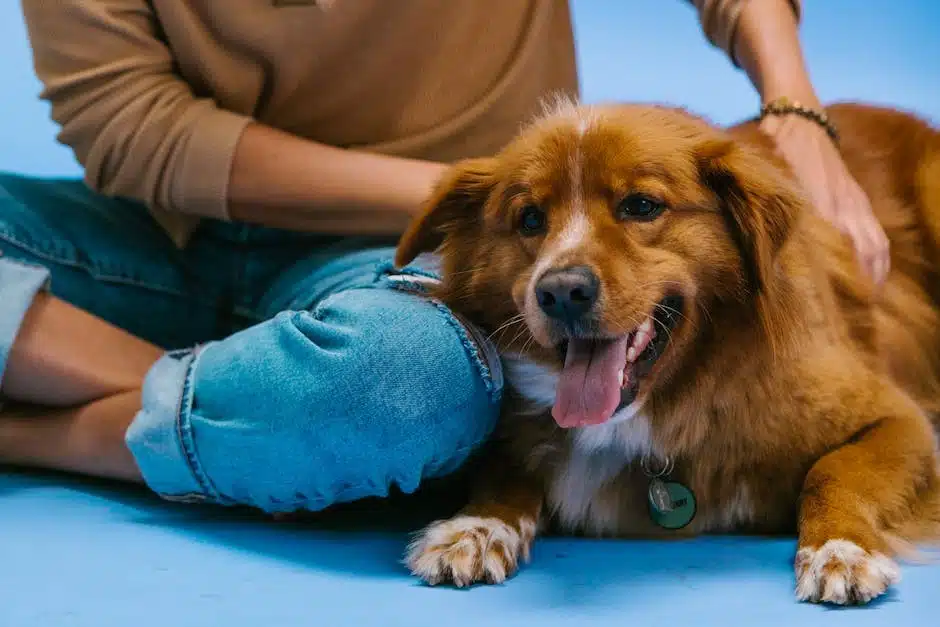
If you’ve ever wondered, “Why does my dog sit on me?” you’re not alone. Many dog owners experience this behavior, and it can be both adorable and puzzling. Dogs use their body language to communicate, and sitting on you is one of their unique ways of expressing themselves. Understanding why your furry friend does this can strengthen your bond and improve your relationship.
1. Seeking Comfort and Security
Dogs often sit on their owners because they feel safe and secure. Much like children who cling to a parent, dogs find comfort in being close to the people they trust. This behavior is especially common in puppies or newly adopted dogs who are still adjusting to their environment.
When your dog sits on you, it’s a sign that they feel safe and protected by your presence. This closeness provides warmth and reassurance, especially in stressful situations.
2. Showing Affection and Bonding
One of the most heartwarming reasons your dog sits on you is affection. Dogs are social animals that crave attention and companionship. Sitting on you is their way of giving love and seeking it in return.
You may notice your dog nudging you with their head or pawing at you before settling on your lap—these are all signals of their attachment and desire for closeness. Consistently responding with gentle petting reinforces your bond and makes your dog feel even more secure.
3. Seeking Attention
Sometimes, dogs sit on you simply because they want attention. If your dog notices that sitting on your lap or chest prompts petting, talking, or even treats, they’ll likely repeat this behavior.
It’s important to set boundaries if needed. For instance, teaching your dog to sit beside you instead of on you can prevent overly clingy behavior while still giving them attention. Rewarding calm behavior can help guide them toward more acceptable ways to seek your interaction.
4. Claiming Territory
Dogs can also sit on you as a way of marking their territory. Your scent mingles with theirs, and by sitting on you, they are essentially claiming you as part of their pack. While this might feel a bit possessive, it’s a natural instinct for dogs and shows how much they consider you part of their family.
5. Feeling Warmth and Comfort
Dogs love warmth, and your lap or chest provides a cozy spot for them to relax. Particularly in colder months, dogs will gravitate toward warm areas, and your body heat becomes a magnet. If your dog has short fur or feels chilly, this reason is often the most practical one behind their behavior.
When your dog sits on you, it’s a sign that they feel safe and protected by your presence. This closeness provides warmth and reassurance, especially in stressful situations.
6. Reducing Anxiety or Stress
Some dogs sit on their owners to cope with anxiety. Dogs that are naturally nervous or those experiencing separation anxiety often seek physical closeness to feel calmer. Sitting on you can slow their heart rate and provide reassurance.
If your dog’s anxiety seems severe, pairing closeness with calming techniques like gentle petting, soft music, or even talking to a professional trainer can help them feel secure.
7. Health and Grooming Considerations

Sometimes, sitting on you can also indicate discomfort or health issues. Dogs might seek attention if they are in pain or not feeling well. Regular check-ups and visits to dog groomers near me can ensure your dog’s nails, coat, and skin are healthy, reducing any irritation that might make them clingy or restless.
Professional groomers also help maintain your dog’s hygiene and comfort, which can indirectly affect their behavior at home. A well-groomed dog is often more relaxed and less likely to seek constant physical contact out of discomfort.
Tips for Managing Your Dog’s Sitting Habits
-
Set Boundaries: Teach your dog where it’s appropriate to sit, like beside you rather than on top of you, if necessary.
-
Provide Comfort Alternatives: Offer dog beds, blankets, or heated pads as cozy alternatives.
-
Positive Reinforcement: Reward calm and respectful behavior with treats or praise.
-
Exercise and Play: Sometimes, attention-seeking behavior stems from boredom. Regular walks and interactive play can reduce this.
-
Regular Grooming: Maintain your dog’s hygiene and comfort by scheduling regular appointments with trusted dog groomers near me.
Conclusion
When your dog sits on you, it’s usually a mix of affection, security-seeking, and attention-seeking behavior. Understanding the reasons behind this action strengthens your bond and helps you respond in a loving and constructive way.
Whether it’s a cozy lap in winter, a gentle way to show love, or a call for attention, your dog sitting on you is a gesture of trust and companionship. Combine this understanding with regular grooming and attention, and you’ll have a happy, healthy, and affectionate canine friend.
Remember, a little paw on your lap goes a long way in expressing a dog’s love—and a little patience goes a long way in managing their behavior!

