hoosing the right harness matters because it affects safety, comfort, and confidence at height. Both ziplining and climbing use harnesses, but they work in different ways. Understanding these differences helps you pick the right option and avoid using the wrong gear. The right choice supports your activity, keeps your body stable, and helps you enjoy the experience without worry.
What Is a Zipline Harness?
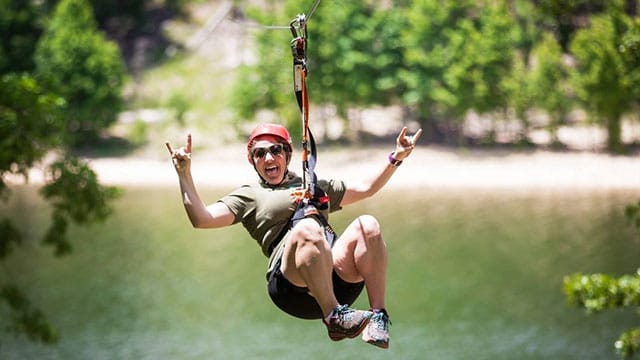
A zipline harness supports the rider in a seated position and keeps the body stable while moving along the cable. It focuses on comfort, ease of use, and steady balance. Most designs support the waist and legs, and some also secure the upper body to reduce swinging or fear of falling. The zipline harness helps riders feel safe, relaxed, and secure throughout the ride.
What Is a Climbing Harness?
A climbing harness supports movement during vertical climbing. It holds the waist and legs firmly so climbers can move freely while staying secure. It works with ropes, belay systems, and other safety gear. Climbers depend on it during slips, weight shifts, and sudden pressure, so it must remain strong and stable at all times.
Design Differences
Before looking at comfort and safety, it helps to understand how each harness is built. Here are the main structural differences:
- Zipline harnesses often include extra padding for comfort, and may include straps that support the upper body
- Climbing harnesses have stronger waist and leg support, and usually include secure tie-in and belay points
These design choices exist because each harness supports a different type of movement and activity.
Safety and Performance Differences
Safety expectations also differ because both activities involve different levels of control and movement. Key differences include:
- Zipline rides involve controlled movement
- Climbing involves constant motion and changing positions
- Climbing harnesses handle stronger forces and impacts
- Zipline harnesses focus on stable positioning rather than technical control
In simple terms, climbing needs strength and control, while ziplining needs stability and comfort.
Comfort and User Experience
Comfort plays a big role in how each harness feels in real use. Here is how users usually experience both:
- Zipline harness: Enhanced seating comfort and stable support create a calming and reassuring experience.
- Climbing harness: The fit is tighter, but it offers greater flexibility for movement. The overall experience feels active and controlled.
Each harness feels right only when used in the correct activity.
Which Harness Should You Use?
Use a zipline harness for ziplining and a climbing harness for climbing. They do not replace each other because their activities, designs, and safety needs differ. Choosing the correct type ensures safety, comfort, and confidence, especially when you rely on the harness to keep you secure at height.
Conclusion
Both harnesses keep you safe, but they do it in different ways. A zipline harness supports relaxed, stable movement, while a climbing harness supports strength, control, and active performance. When you understand the difference, you can choose the right harness and enjoy your adventure with better comfort and safety every time.