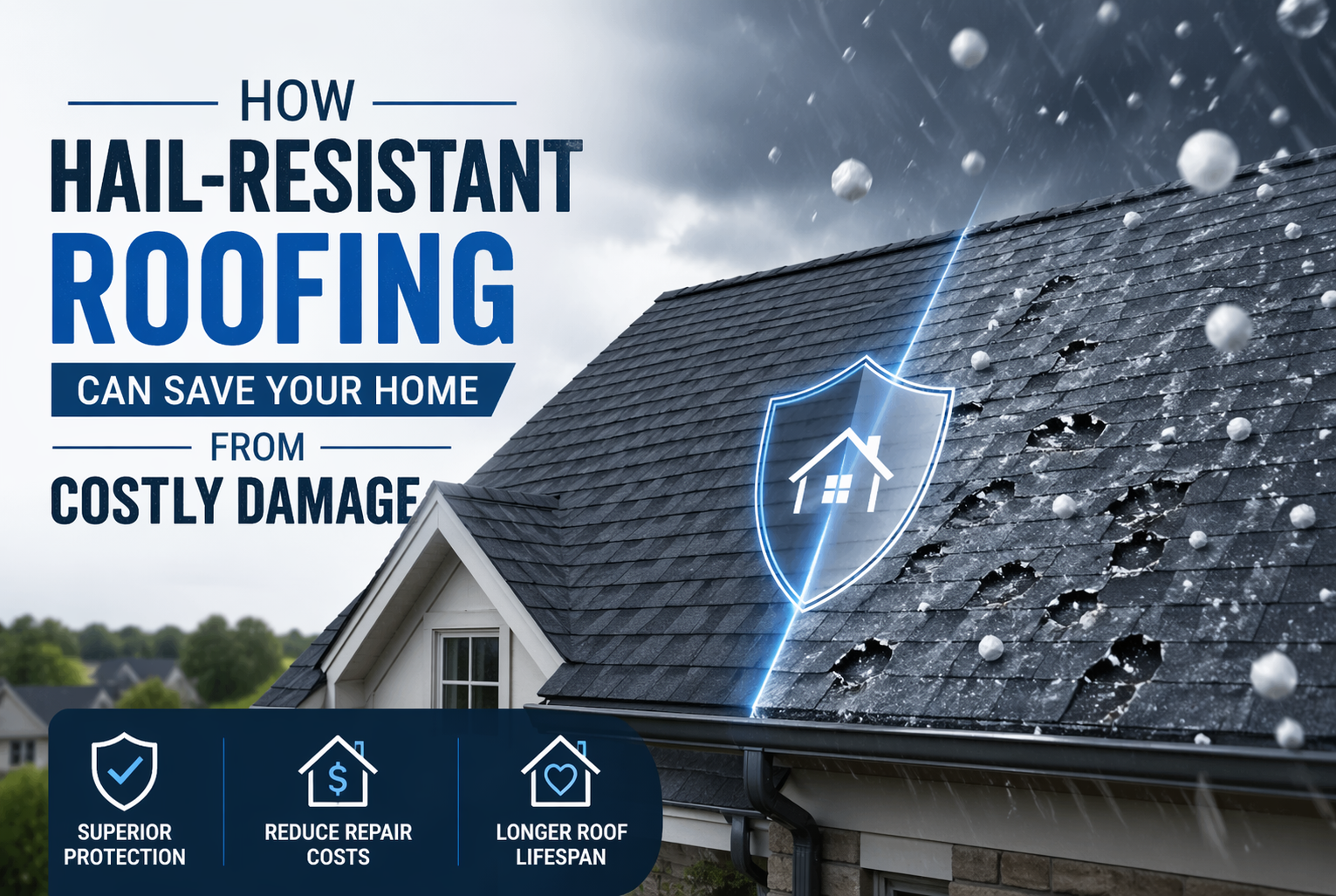
How Hail-Resistant Roofing Can Save Your Home from Costly Damage
Severe weather is becoming more unpredictable, and hailstorms are among the most damaging events for homeowners. Even small hailstones can weaken shingles, while larger impacts can cause immediate structural issues. For homeowners looking to protect their investment, upgrading to hail-resistant roofing is a practical and forward-thinking solution.
Understanding how these roofing systems work—and why they matter—can help you make smarter decisions about long-term home protection.
The Hidden Impact of Hail on Your Roof
Hail damage isn’t always obvious at first glance. While some dents and cracks are visible, much of the damage occurs beneath the surface. Over time, this can lead to leaks, insulation problems, and even structural deterioration.
Common effects of hail damage include:
-
Cracked or bruised shingles
-
Granule loss on asphalt surfaces
-
Compromised waterproofing layers
-
Increased vulnerability to future storms
Left unaddressed, these issues can escalate into expensive repairs or premature roof replacement.
What Makes a Roof Hail-Resistant?
Hail-resistant roofing systems are designed to absorb and disperse impact energy. Unlike traditional materials, these options are tested under rigorous conditions to ensure durability.
Key features often include:
Impact-Resistant Materials
Many hail-resistant roofs use reinforced materials such as modified asphalt, rubberized layers, or metal panels. These materials are engineered to withstand high-impact forces without cracking.
Class Ratings for Performance
Roofing products are often rated on a scale (Class 1 to Class 4) based on their ability to resist impact. Class 4 is the highest rating and offers the best protection against hail damage.
Flexible Construction
Some materials are designed to flex upon impact rather than break. This flexibility reduces the likelihood of long-term damage.
These features work together to extend the lifespan of your roof and minimize the need for frequent repairs.
Popular Hail-Resistant Roofing Options
Homeowners have several choices when it comes to upgrading their roofs for better storm protection. Each option offers unique advantages:
Asphalt Impact-Resistant Shingles
These are among the most common upgrades. They look similar to standard shingles but are reinforced to handle impact more effectively.
Metal Roofing Systems
Metal roofs are highly durable and naturally resistant to hail damage. They can dent under extreme conditions, but they rarely crack or compromise the structure.
Synthetic Roofing Materials
Made from advanced polymers, synthetic roofing mimics traditional materials like slate or wood while offering superior impact resistance.
Tile and Composite Roofing
Some tile and composite materials are specifically engineered for impact resistance, combining durability with aesthetic appeal.
Choosing the right material depends on your budget, design preferences, and local weather conditions.
Long-Term Financial Benefits
While hail-resistant roofing may have a higher upfront cost, it often leads to significant savings over time. Fewer repairs, longer lifespan, and potential insurance discounts all contribute to its value.
Here’s how it pays off:
-
Reduced maintenance and repair expenses
-
Lower risk of emergency damage
-
Potential insurance premium reductions
-
Increased home resale value
In areas prone to severe weather, this type of investment can quickly justify itself.
Why Professional Installation Matters
Even the most advanced roofing materials won’t perform well without proper installation. Precision and expertise are essential to ensure the system functions as intended.
Professional installers understand how to:
-
Properly secure and align materials
-
Reinforce vulnerable areas
-
Ensure adequate ventilation and insulation
-
Meet local building codes and standards
For homeowners exploring durable solutions, learning more about San Antonio hail-resistant roofing options can provide valuable insight into materials and installation practices suited for storm-prone environments.
Maintenance Tips for Hail-Resistant Roofs
Although these roofs are built for durability, regular maintenance is still important. Proper care helps maximize their lifespan and performance.
Consider these simple steps:
-
Schedule annual inspections
-
Check for minor dents or surface wear after storms
-
Keep gutters clean and functional
-
Remove debris that could trap moisture
Staying proactive ensures your roof continues to perform at its best, even under challenging conditions.
When Should You Upgrade?
If your current roof is aging or has already sustained damage, it may be time to consider an upgrade. Waiting too long can lead to more extensive problems and higher costs.
You might consider hail-resistant roofing if:
-
Your area experiences frequent storms
-
Your roof has visible signs of wear or damage
-
You’re planning a long-term home investment
-
You want to improve energy efficiency and durability
Making the switch before major issues arise can save both time and money.
Conclusion
Hailstorms can cause serious damage, but the right roofing system can make all the difference. Hail-resistant roofing offers a combination of durability, efficiency, and long-term savings that traditional materials often can’t match.
By understanding your options and working with experienced professionals, you can protect your home from unpredictable weather and avoid costly repairs. Exploring San Antonio hail-resistant roofing options is a smart step toward building a stronger, more resilient home that stands the test of time.