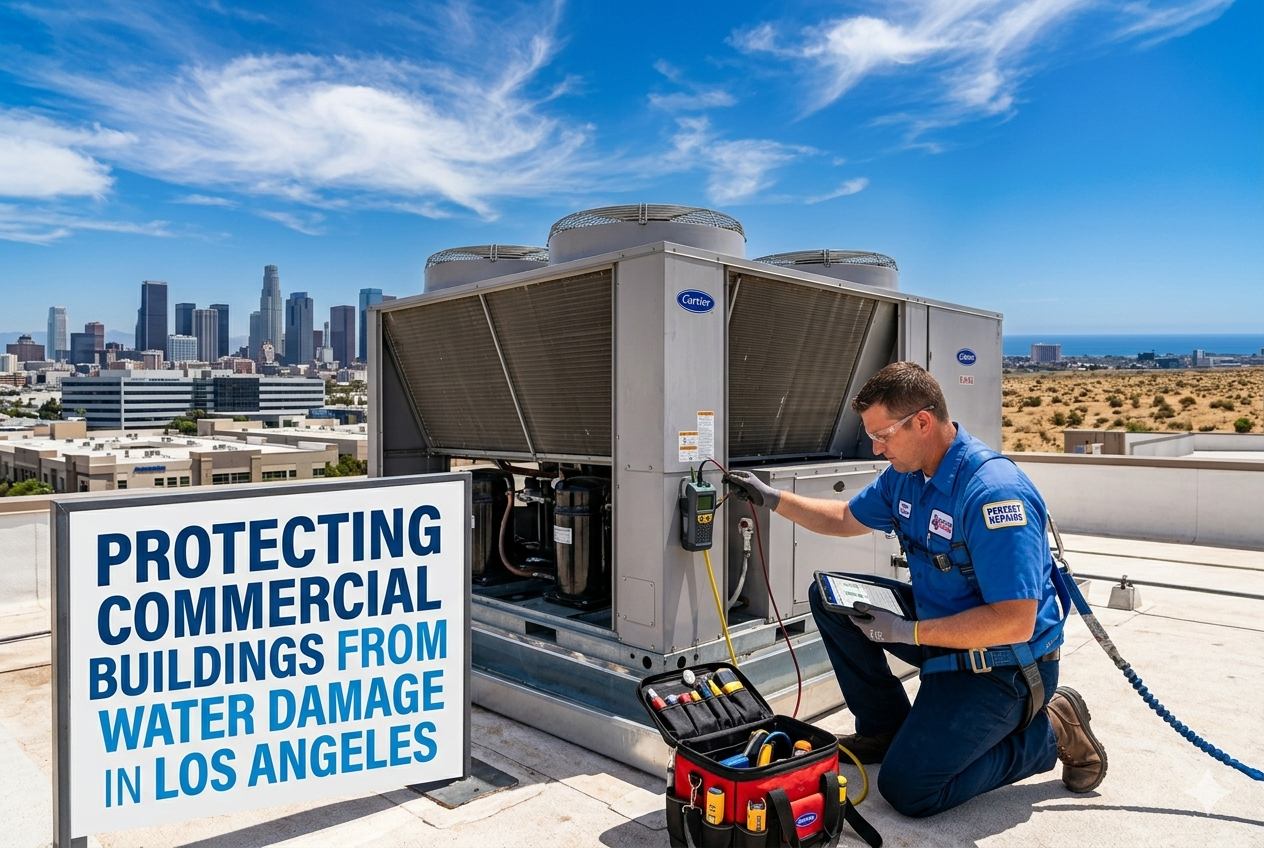
Protecting Commercial Buildings From Costly Water Damage in Los Angeles
Commercial buildings are designed to withstand years of use, changing weather conditions, and constant foot traffic. However, one of the most overlooked threats to long-term structural performance is water intrusion. Even small leaks or drainage problems can create expensive repairs, disrupt operations, and compromise the safety of a building over time.
In Los Angeles, property owners and facility managers often focus heavily on exterior appearance, tenant improvements, and energy efficiency. While those upgrades are important, waterproofing remains one of the most valuable preventative investments for preserving a commercial structure.
From office complexes and retail centers to warehouses and multifamily buildings, proper waterproofing helps reduce maintenance costs and extend the life of the property.
Why Water Damage Creates Major Commercial Risks
Water intrusion affects more than just visible surfaces. Moisture can slowly weaken critical structural materials, damage electrical systems, and create indoor environmental concerns that impact tenants and employees.
Commercial buildings are particularly vulnerable because of their size and complexity. Roof systems, parking structures, expansion joints, exterior walls, and below-grade foundations all create potential entry points for moisture.
Some of the most common consequences of water damage include:
-
Structural deterioration
-
Mold and mildew growth
-
Damaged drywall and flooring
-
Corrosion of metal components
-
Business interruptions
-
Increased maintenance expenses
-
Tenant complaints and liability concerns
Even minor leaks can spread across large sections of a commercial building before they are detected. In many cases, hidden moisture accumulates for months before visible signs appear.
This is why preventative maintenance is often far more cost-effective than reactive repairs.
Los Angeles Buildings Face Unique Waterproofing Challenges
Many people associate Southern California with dry weather, but commercial buildings in Los Angeles still face several moisture-related risks throughout the year.
Seasonal storms can deliver heavy rainfall in short periods, overwhelming drainage systems and exposing vulnerable areas of the structure. In addition, older commercial properties may have aging roofing materials, deteriorating sealants, or outdated waterproofing systems.
Urban development also contributes to runoff problems. Large paved surfaces around commercial properties reduce natural drainage and can increase water accumulation near foundations.
Coastal humidity presents another challenge for buildings closer to the ocean. Salt air and moisture exposure can accelerate material deterioration over time.
Earthquakes and minor soil movement also create structural shifts that may open small cracks in concrete or exterior walls. Even tiny openings can eventually allow moisture intrusion if not properly sealed.
Areas of Commercial Buildings Most Vulnerable to Water Intrusion
Effective waterproofing requires a complete understanding of where moisture problems are most likely to occur.
Roofing Systems
Commercial roofs often experience standing water, especially on flat or low-slope structures. Over time, ponding water can weaken roofing membranes and create leaks.
Routine roof inspections help identify:
-
Membrane damage
-
Drainage blockages
-
Flashing failures
-
Surface cracks
-
UV-related deterioration
Protective coatings and waterproof membranes can significantly improve roof performance while extending service life.
Parking Structures
Parking garages and elevated parking decks endure constant vehicle traffic, exposure to rainwater, and temperature fluctuations.
Without proper waterproofing, concrete surfaces may crack and deteriorate. Moisture penetration can also corrode reinforcing steel within the structure.
Many property owners now prioritize preventative waterproofing systems to help protect these high-traffic areas from premature damage.
Foundations and Below-Grade Walls
Foundations are especially vulnerable when drainage systems fail to direct water away from the building.
Hydrostatic pressure can force moisture through cracks and porous concrete surfaces. Over time, this may compromise structural integrity and increase interior humidity levels.
Professional waterproofing systems often include:
-
Drainage improvements
-
Exterior waterproof membranes
-
Crack injection repairs
-
Vapor barriers
-
Protective coatings
These solutions help manage moisture before it reaches interior spaces.
The Importance of Preventative Maintenance
Commercial property owners who wait until leaks appear often face significantly higher repair costs. Water damage rarely improves on its own. Small problems tend to grow steadily worse as moisture spreads throughout the structure.
Preventative waterproofing maintenance offers several advantages:
-
Reduced emergency repair costs
-
Longer lifespan for building materials
-
Improved tenant satisfaction
-
Lower risk of mold-related issues
-
Better protection for inventory and equipment
-
Increased long-term property value
Routine inspections also help facility managers identify developing vulnerabilities before major structural damage occurs.
For businesses operating within the property, preventative maintenance can reduce disruptions caused by unexpected leaks or repairs.
Choosing a Waterproofing Strategy for Commercial Properties
Every commercial building has unique requirements based on its size, age, construction materials, and environmental exposure.
A comprehensive waterproofing assessment typically evaluates:
-
Roof conditions
-
Exterior wall systems
-
Drainage performance
-
Foundation stability
-
Expansion joints
-
Sealants and coatings
-
Surface grading
Rather than relying on temporary patchwork repairs, long-term solutions focus on addressing the source of moisture intrusion.
Experienced contractors often recommend layered protection systems that combine drainage improvements, waterproof membranes, sealants, and protective coatings.
Property owners researching options forcommercial waterproofing in Los Angeles often look for providers with experience handling large-scale structural protection and complex building envelopes.
How Waterproofing Supports Property Value
Commercial real estate values are closely tied to building condition and maintenance history. Buyers, investors, and tenants increasingly pay attention to infrastructure quality before making decisions.
A property with ongoing moisture issues may experience:
-
Lower tenant retention
-
Higher operating costs
-
Reduced resale value
-
Insurance complications
-
Increased repair liabilities
On the other hand, well-maintained waterproofing systems demonstrate proactive property management.
Investing in preventative waterproofing can also help extend the usable life of major building systems, delaying costly renovations or structural repairs.
Final Thoughts
Commercial waterproofing is not simply a maintenance task. It is a long-term strategy for protecting one of a property owner’s most valuable investments.
In Los Angeles, commercial buildings face a combination of environmental factors that can gradually lead to moisture intrusion and structural deterioration. Heavy seasonal rain, aging infrastructure, soil movement, and drainage challenges all contribute to the risk.
By prioritizing preventative waterproofing solutions, property owners can reduce costly repairs, improve tenant satisfaction, and preserve the structural integrity of their buildings for years to come.
When approached proactively, waterproofing becomes an essential part of responsible commercial property management rather than an emergency response after damage has already occurred.